
Vandaag of morgen in huis

Kwaliteit gegarandeerd

Welkomstaanbiedingen ontgrendelen: GRATIS bezorging | Tot 80% korting | Gratis 30 dagen JoyPlus-proefperiode
Download de app
Buying a face cream sounds simple, until you have to choose between a rich cream, a gel cream, a Korean face cream or a face moisturiser with a long ingredients list. The packaging often promises hydration, soothing and skin barrier repair. However, an appealing claim does not always tell you how comfortable the formula will feel on your skin.
With this practical guide, you can assess the ingredients, texture, packaging and how to use the product. That way, you can avoid buying a face cream that feels too greasy, starts to sting or ends up unused in the cupboard after a few weeks.
More ingredients do not automatically mean that a cream will suit you better. Focus mainly on what the formula is designed to do. Glycerine, betaine and hyaluronic acid are often used to attract moisture. Shea butter, jojoba oil and ceramides can help the skin feel comfortable and reduce moisture loss.
Also look out for ingredients you would rather avoid. Sensitive skin can react to fragrance, essential oils or certain preservatives. Always check the current INCI list on the packaging, even when a product is described as gentle or suitable for sensitive skin.
A rich face cream for dry skin can feel comforting when your skin feels tight, but it may feel too heavy on oilier skin. This can leave your face looking shiny or create an unpleasant layer underneath sun cream and make-up.
For oily or combination skin, a gel cream, lightweight lotion or fast-absorbing moisturiser is often more practical. Dry skin may benefit from a richer formula containing oils, butters or ceramides.
Terms such as “repair”, “soothing” and “24-hour hydration” do not guarantee that everyone will have the same experience. According to a brand’s own research, certain effects may have been measured under specific conditions. That does not automatically mean that every user will achieve the same result.
Instead, assess verifiable information such as the contents, ingredients, texture, fragrance, skin type stated in the product description and directions for use. If you have sensitive skin, it is sensible to test a small amount on a limited area first. Stop using the product if you experience burning, itching, swelling or persistent redness.
If you wear sun cream or make-up during the day, a cream that absorbs quickly is usually more convenient. A gel cream feels lightweight and is often suitable as a face cream for oily skin or combination skin. For dry or mature skin, a nourishing cream may feel more comfortable, particularly in the evening.
Remember that your skin type can change with the seasons. In winter, normal skin may feel drier, while a rich cream can feel too heavy during a hot summer.
A hyaluronic acid cream may contain sodium hyaluronate or another form of hyaluronic acid, for example. This ingredient is widely used in hydrating formulas. Isntree lists five types of hyaluronic acid in its Moist Cream. The ingredients list also includes ceramide NP, panthenol and various oils.
For skin barrier support, you will often see ceramides, fatty acids, lecithin and nourishing oils. These ingredients do not automatically make a product suitable for every skin type, but they do provide an objective point of reference when comparing products.
A fragrance-free formula can be a logical choice if you want to avoid fragrance ingredients. However, check the ingredients list to be sure: a product may contain botanical extracts or essential oils that still provide fragrance components.
Also check the PAO symbol on the packaging, such as 6M or 12M. This indicates how long the manufacturer says the product can be used after opening. Keep face cream closed, cool and out of direct sunlight. Do not use a product if its fragrance, colour or texture has clearly changed.

Why it suits this profile: The lightweight gel texture is easy to incorporate into a daily routine, particularly for combination or oilier skin.
The product description refers to a lightweight gel without a sticky feel, making the formula less likely to feel too heavy.
100 ml; gel cream with red bean extract and a peptide complex according to the product information.

Why it suits this profile: Suitable for anyone who wants to assess ingredients and texture carefully and is looking for a daily cream for dry, normal or mature skin.
The formula is not positioned solely around hydration; the ingredients list also includes ceramide NP, panthenol, argan oil and apricot oil.
100 ml; five listed forms of hyaluronic acid; gel cream texture according to the product description.
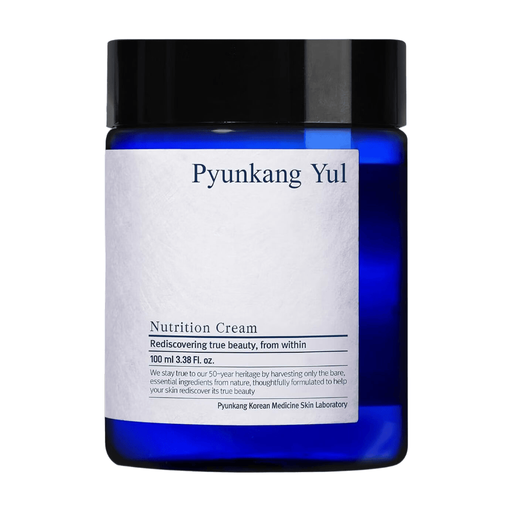
Why it suits this profile: An option for anyone looking for a richer night cream for dry, demanding or mature skin.
The product information states that it is fragrance-free and has a rich texture which, according to the brand, absorbs without leaving a heavy or greasy residue.
100 ml; shea butter, jojoba oil and sodium hyaluronate are included in the stated ingredients list.
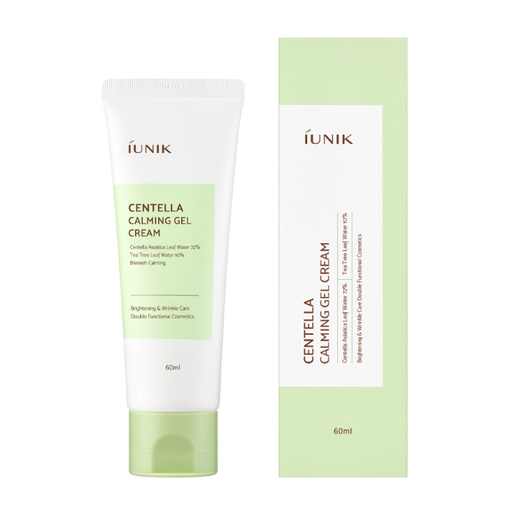
Why it suits this profile: The lightweight gel is designed for users who want hydration without a greasy or sticky feel.
The gel cream texture is a practical alternative to heavy creams for oily, combination or blemish-prone skin.
60 ml; centella asiatica, tea tree extract and niacinamide are listed in the product description.
We have put together a complete, up-to-date list of products that fully meet these strict selection criteria and the applicable European safety regulations.
Most face moisturisers can be applied after cleansing in the morning and evening. Always follow the product’s directions for use. During the day, sun cream with a suitable sun protection factor should be a separate step in your routine.
This varies from product to product. Check the PAO symbol and the information on the packaging. Store the cream in a cool, dry place and keep it tightly closed. If the fragrance, colour or texture changes noticeably, it is best not to use the product any longer.
Look for a short, straightforward ingredients list and pay attention to fragrance and essential oils. A face cream for sensitive skin is not automatically suitable for everyone. Test a small amount first and stop using it if irritation occurs. If symptoms persist, ask a doctor or dermatologist for advice.
