
Vandaag of morgen in huis

Kwaliteit gegarandeerd

Welkomstaanbiedingen ontgrendelen: GRATIS bezorging | Tot 80% korting | Gratis 30 dagen JoyPlus-proefperiode
Download de app
Buying a new face cream seems simple, until you have to choose between a hydrating face cream, a ceramide cream, a Korean face cream or an anti-ageing face cream. Marketing terms such as “intensive”, “restorative” and “youthful-looking” don’t tell you much on their own. The ingredients list, texture and directions for use often give you a clearer picture.
Hyaluronic acid can make a formula appealing if you’re looking for hydration, but its presence doesn’t tell you how much has been included or how the rest of the formula will feel. A hyaluronic acid cream might be light and gel-like, or feel richer if it contains oils, silicones or butters.
The same goes for retinol, niacinamide and ceramides. Don’t focus on just one ingredient: check the full ingredients list and the recommended use.
A nourishing face cream with shea butter or oils can feel good on dry skin, but heavy on oily or combination skin. A lightweight facial moisturiser, on the other hand, may not feel comforting enough if your skin feels tight.
Also look out for fragrance. If your skin reacts easily to fragrance, it’s worth considering a fragrance-free formula. A product labelled hypoallergenic isn’t automatically suitable for everyone. Check the ingredients and stop using it if irritation occurs.
Night creams are often richer and don’t need to contain sun protection. During the day, a separate sunscreen is usually more important than a cream with a low SPF alone. If you use products containing retinol, it’s especially important to follow the directions and wear sun protection during the day. Start slowly with an active ingredient and don’t combine several intensive products straight away.
Use this practical guide:
A face cream for sensitive skin should above all feel comfortable. According to some brands’ own product information, certain formulas are dermatologically tested or suitable for sensitive skin. This remains a product claim, and individual reactions can vary.
Ceramides are often found in barrier-repair creams., ANUA and haruharu wonder mention ceramides in their product descriptions, alongside ingredients such as panthenol, cholesterol or hyaluronic acid. This combination may be relevant if you’re mainly looking for skin that feels comfortable and less dry.
Hyaluronic acid is generally used to give skin a hydrated feel. Isntree lists five types of hyaluronic acid in its formula, while ANUA PDRN Hyaluronic Acid 100 Moisture Cream lists ten. These are verifiable product details, but they don’t predict exactly how your skin will respond.
Retinol is an option if you’re specifically looking for an active anti-ageing face cream. lists 0.1% retinol in The Retinol 0.1 Cream. Retinol can cause sensitivity or dryness. Follow the packaging instructions, build up use gradually and wear sun protection during the day.
Check the expiry date and the period after opening on the packaging. Some products, for example, state that they should be used within six months of opening. A jar also calls for hygienic use: wash your hands before applying the cream and close the packaging properly.
Consider the size, too. A 100 ml jar is practical if you use a generous amount every day. A tube or pump bottle may be more convenient if you want to limit contact with the product inside.
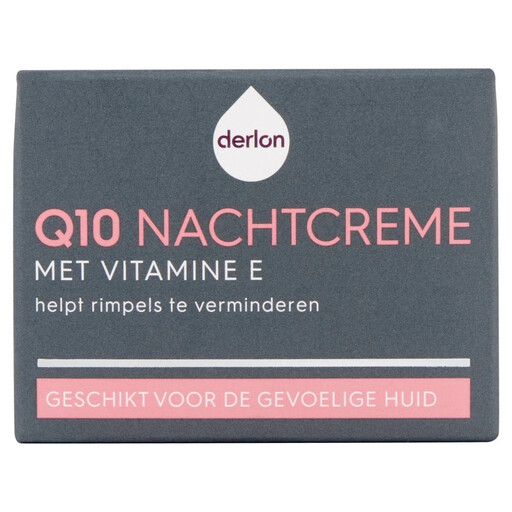
Why it suits this profile: A straightforward night cream for anyone looking for a simple routine. The product information lists shea butter, vitamin E, glycerine and sodium hyaluronate.
It’s clearly described as a night cream, so you don’t need to use this formula as a day cream with sun protection.
50 ml; according to the product details, suitable for the face, neck and décolletage; fragrance is listed among the ingredients.
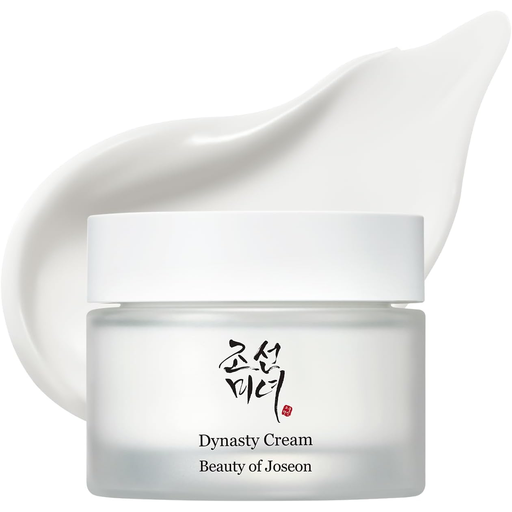
Why it suits this profile: This Korean face cream combines a rich, creamy texture with rice extract, niacinamide, panthenol, propolis and sodium hyaluronate.
The ingredients list is available, so you don’t have to rely solely on terms such as “glow” or “firming”.
100 ml; no fragrance listed; according to the product information, intended for use in the morning and evening.

Why it suits this profile: A barrier-repair cream for anyone specifically looking for ceramides, squalane, panthenol and several forms of hyaluronic acid.
The formula contains more than just one trendy ingredient: it also includes lipid and moisture-binding components. A patch test is recommended.
80 ml; contains ceramide NP, NS, AP, AS and EOP according to the listed ingredients; use in the morning and evening.
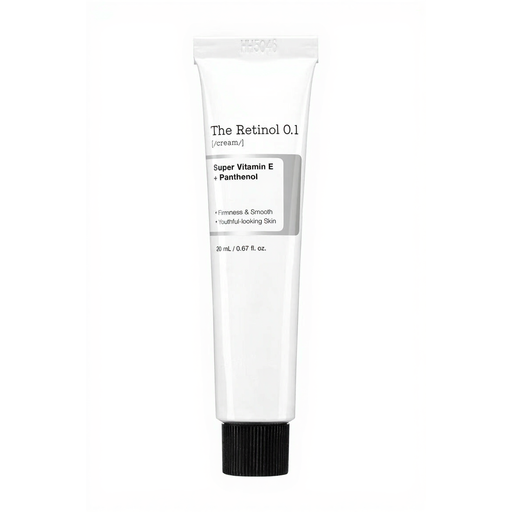
Why it suits this profile: Designed for anyone looking for an anti-ageing face cream with a clearly stated retinol concentration.
The product description states that it contains 0.1% retinol, making the active ingredient more specific than a general anti-ageing claim.
20 ml; according to the product information, contains retinol, hyaluronic acid and panthenol; it’s still important to build up use gradually.
We’ve put together a complete, up-to-date list of products that meet these strict selection criteria and current European safety requirements.
You can use most facial moisturisers once or twice a day, depending on the packaging instructions and how your skin feels. Apply the cream after cleansing and, if you use one, after applying a serum. During the day, wear sun protection if the formula doesn’t provide an appropriate SPF.
Check the expiry date and the period-after-opening symbol on the packaging. Some products state that they should be used within six months of opening, but always follow the label on your own product. A change in smell, colour or texture may be a reason to stop using it.
Look for a short ingredients list, a fragrance-free formula and clear directions for use. Ceramides, panthenol and glycerine are commonly used in formulas designed to hydrate and comfort the skin. Test a new product on a small area first and stop using it if irritation occurs.
