
Vandaag of morgen in huis

Kwaliteit gegarandeerd

Welkomstaanbiedingen ontgrendelen: GRATIS bezorging | Tot 80% korting | Gratis 30 dagen JoyPlus-proefperiode
Download de app
Buying a face cream seems straightforward until you have to choose between lotion, gel, cream, day and night cream, or a facial moisturiser with a range of active ingredients. Marketing claims about long-lasting hydration, a younger-looking appearance and a stronger skin barrier may sound appealing, but they do not always tell you enough about what a product is like to use every day.
With this guide, you can compare face creams based on skin type, texture, ingredients, size and when you use them. This helps you avoid paying mainly for attractive packaging or a claim that is not quite right for your skin.
A rich face cream for dry skin can feel soothing when your skin feels tight, but may feel heavy on oily or combination skin. A lightweight face gel, on the other hand, feels comfortable on oilier skin but may not provide enough protection against dryness or tightness.
Pay attention to the product description:
A cream containing hyaluronic acid is often promoted for its ability to attract moisture. However, it is important to look at the full ingredients list. Glycerine, dimethicone, panthenol, oils and occlusive ingredients such as petrolatum also affect how the product feels on the skin and its moisture balance.
A single active ingredient does not automatically make a product suitable for everyone. If you have sensitive skin, it is sensible to pay extra attention to perfume, essential oils and known fragrance allergens.
Brands may communicate the properties of their own products, but their research is not the same as a general guarantee. According to NIVEA’s own research, for example, certain facial skincare products may provide up to 24 or 48 hours of hydration; the product information also states the conditions under which this was tested. Treat this as an indication, not a promise for every user.
Terms such as anti-ageing, firming or younger-looking skin also refer to how the product is positioned. They do not mean that wrinkles or skin ageing will disappear completely.
First, choose according to your skin’s needs:
A day cream does not automatically include sun protection. If there is no SPF on the packaging or product page, do not assume that your skin is protected against UV rays.
Check the ingredients list for ingredients that match your preferences:
If irritation, redness or a burning sensation occurs, stop using the product. You could also try a new product on a small area of skin first. If symptoms persist, it is advisable to consult a doctor or pharmacist.
Compare millilitres or grams, not just the price of the packaging. A 100 ml jar may look good value, but a small amount of a richer cream may be enough. A pump bottle or tube also limits contact with the contents. If you are using a jar, good hygiene is important: use clean hands or the spatula provided.
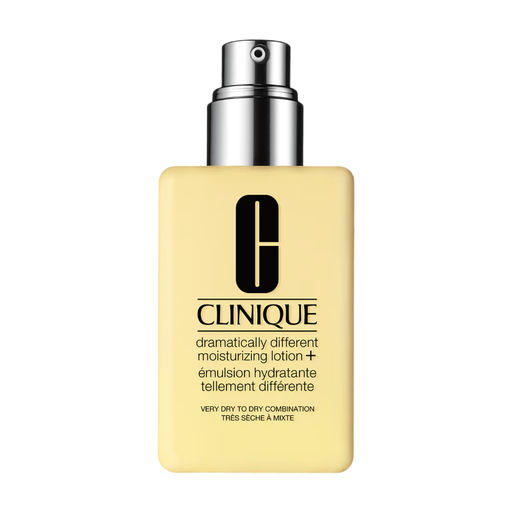
Why it suits this profile: A compact lotion for anyone looking for a simple facial moisturiser to use in the morning and evening. The 50 ml size is practical if you want to try out a routine first.
The lotion texture means you do not have to start with a heavy cream. The product information states that it is intended to hydrate and absorb quickly.
50 ml; sodium hyaluronate and glycerine listed among the ingredients; according to the product details, developed by dermatologists.
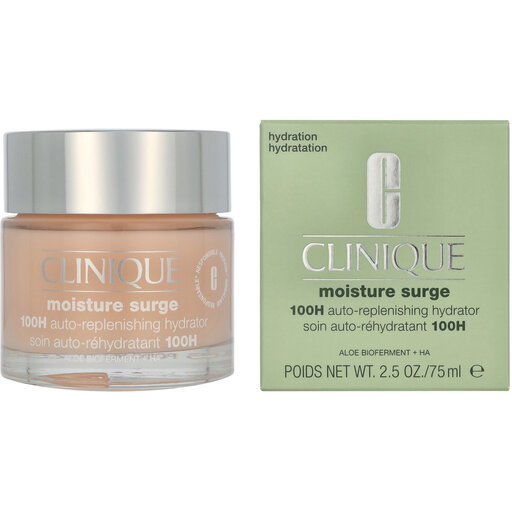
Why it suits this profile: The gel-cream is ideal for users who want to combine a lightweight texture with intense hydration and versatile use.
The oil-free gel-cream helps prevent a heavy feeling on the skin. The product information also states that it can be used as a moisturiser, make-up base or short mask.
75 ml; fragrance-free according to the product details; contains glycerine and sodium hyaluronate.
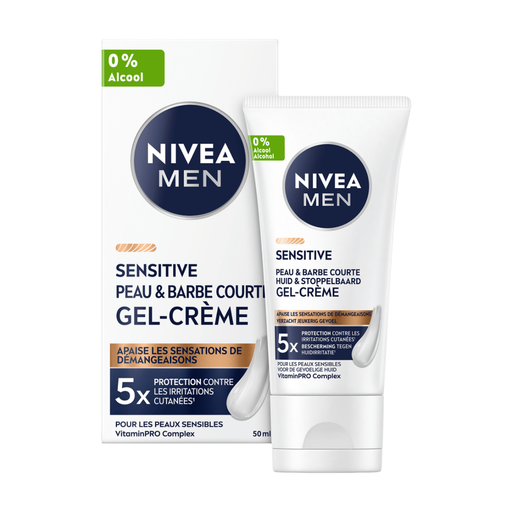
Why it suits this profile: Designed for men who want to care for their face and short beard with one lightweight gel, for example after shaving or as part of their daily routine.
According to the product description, the gel is lightweight and designed not to leave gel residue in the beard. However, check the ingredients list for perfume if you want to avoid it.
50 ml; glycerine, dimethicone and panthenol; designed for the face and stubble.
We have put together a complete, up-to-date list of products that fully meet these strict selection criteria and the applicable European safety regulations.
For most daily routines, twice a day is standard: after cleansing in the morning and evening. Start with a small amount and apply more to dry areas. Always follow the instructions on the packaging.
Choose a formula with a richer texture and moisturising ingredients such as glycerine, oils, dimethicone or petrolatum. A lotion may be sufficient for mildly dry skin; very dry skin often feels more comfortable with a richer cream.
Hyaluronic acid is found in products for various skin types, including dry, combination and oily skin. The overall formula remains the deciding factor. So also check the perfume, oils, alcohol and texture. For sensitive skin, a fragrance-free face cream is a sensible first choice, but always check the current ingredients list on the packaging.
