
Vandaag of morgen in huis

Kwaliteit gegarandeerd

Welkomstaanbiedingen ontgrendelen: GRATIS bezorging | Tot 80% korting | Gratis 30 dagen JoyPlus-proefperiode
Download de app
Buying a face cream might seem straightforward, but the sheer range of options makes it tricky to compare. Whether you’re looking for a hydrating face cream, a Korean face cream or a product for a specific skin concern, a pretty jar or a promise of “glow” isn’t enough. The ingredients list, texture and usage instructions are far more telling when it comes to whether a cream will fit into your daily routine.
Terms like “anti-ageing”, “brightening” and “barrier-repairing” usually describe how a product is positioned. They are no guarantee that wrinkles, dark spots or breakouts will disappear. According to a brand’s own research, certain results can be mentioned, but always check the full product information and instructions for use.
A face cream for dark spots, for example, may contain ingredients such as niacinamide, vitamin C or tranexamic acid. These substances can be found in some formulas, but the visible effect varies from person to person. During the day, sun protection is also important when you use products with certain active ingredients.
A rich cream can feel lovely for a cream for dry skin, but may feel too heavy on oily or combination skin. Conversely, a light gel cream may not provide enough comfort if your skin feels tight.
So pay attention to the texture:
A retinol cream, exfoliating acids and a product with vitamin C can all have a place in a routine, but combining them requires caution. Start with one active product and build up gradually. For The Retinol 0.3 Cream, the product information states, for example, that you should increase use gradually, use sun protection during the day and not apply retinol at the same time as AHA or BHA products.
Ingredients are usually listed in descending order of quantity, with exceptions for ingredients used in small concentrations. Don’t just look for one popular ingredient; examine the whole formula.
A face cream with hyaluronic acid can help lock moisture into the skin, while glycerine and panthenol are also common in hydrating formulas. Ceramides, cholesterol and fatty acids often feature in a barrier-repairing cream. This doesn’t tell you how your skin will react, but it does give you an objective point of comparison.
A gel cream usually absorbs quickly and can be practical under sunscreen or make-up. A richer cream is better suited to your evening routine or for dry skin. After cleansing, use a small amount and only add more if your skin needs it. A thin layer prevents the product from feeling heavy or sticky.
Fragrance and essential oils aren’t a problem for everyone, but they can be undesirable for sensitive skin. SOME BY MI Galactomyces Glutathione Brightening Cream contains, according to the ingredients list, fragrance, lavender oil, linalool and limonene. Dear, Klairs Rich Moist Soothing Cream also contains several essential oils. If you react easily, it’s wise to check the ingredients list first and do a patch test.
Extra precautions apply with retinol and exfoliating ingredients. Always follow the packaging. Do not use retinol on damaged skin, and seek medical advice before using a retinol product during pregnancy or while breastfeeding.
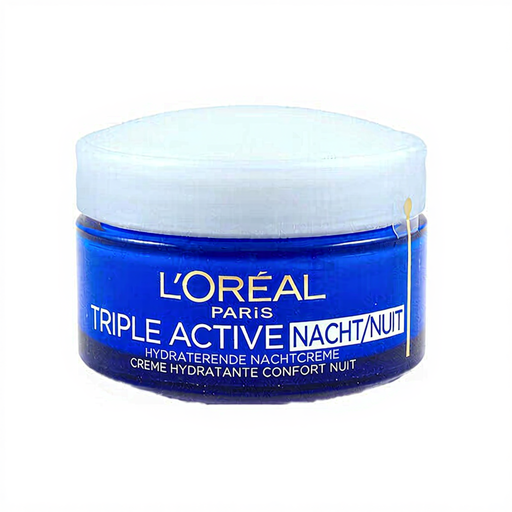
Why this fits the profile: A simple night cream for anyone who wants hydration and comfort without a complicated routine. According to the product information, the formula is free from alcohol and fragrance.
The product description focuses on hydration and comfort, and does not position this cream as an anti-wrinkle product.
Glycerol, 50 ml content, for night-time use and suitable for different skin types according to the product information.
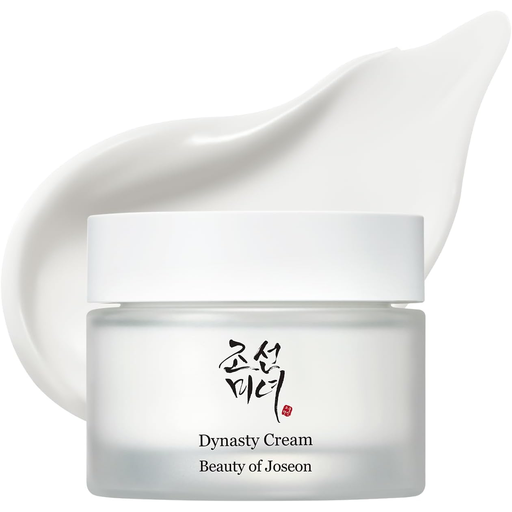
Why this fits the profile: A Korean face cream for anyone who appreciates a fuller texture and multiple nourishing ingredients in one product.
The ingredients list is clearly stated, so you can check for niacinamide, panthenol and sodium hyaluronate yourself.
Rich cream texture, 100 ml packaging according to the product name and multiple hydrating ingredients.
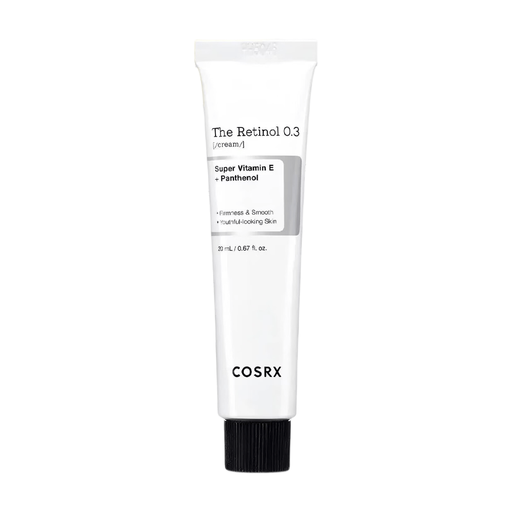
Why this fits the profile: For users who consciously want to add a retinol cream to their evening routine and follow the build-up instructions.
The product information states the retinol percentage, evening use and warnings about sun sensitivity and combining products.
0.3% retinol according to the product name, plus panthenol and different forms of hyaluronic acid in the ingredients list.
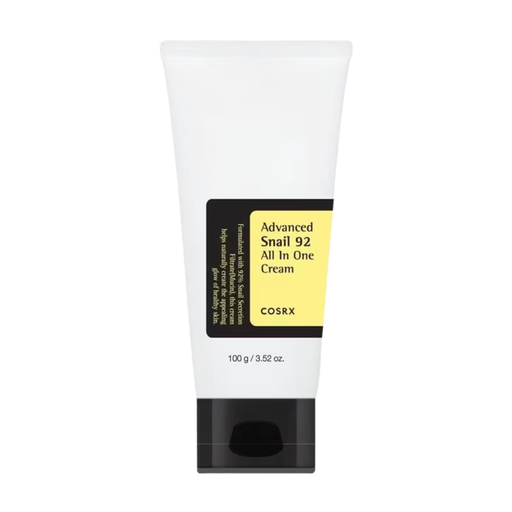
Why this fits the profile: A gel cream for anyone who wants to keep their routine simple and likes a light, fast-absorbing texture.
The product description mentions the gel texture and advises a patch test; just check beforehand whether you can tolerate snail mucin.
92% snail secretion filtrate according to the product description, with panthenol, allantoin and sodium hyaluronate.
We’ve put together a full, up-to-date list of products that fully meet these strict selection criteria and comply with current European safety regulations.
That depends on the formula and your skin. A standard hydrating face cream can usually be used morning and evening. With active products, such as a retinol cream or a cream with acids, always follow the instructions on the packaging.
Check the expiry date and the symbol of the open jar on the packaging. Store the cream in a cool, dry place away from direct sunlight. Close the jar or tube properly after use and stop using a product if the smell, colour or texture changes noticeably.
First, look for a short, clear ingredients list and limit fragrance and essential oils if you are sensitive to them. A soothing face cream with, for example, panthenol, glycerine or ceramides can be practical, but always test a new product on a small area of skin. If redness, itching or irritation persists, it’s wise to seek advice from a doctor or dermatologist.
