
Vandaag of morgen in huis

Kwaliteit gegarandeerd

Welkomstaanbiedingen ontgrendelen: GRATIS bezorging | Tot 80% korting | Gratis 30 dagen JoyPlus-proefperiode
Download de app
Buying a face cream may seem straightforward, but there are major differences in texture, ingredients and use. A cream that works well on dry skin can feel heavy on combination skin. Terms such as “intensive hydration”, “barrier repair” and “anti-ageing” also mean little on their own if you do not check the full ingredients list.
As a Joybuy Product Recommendation Officer, I therefore focus mainly on verifiable product information: skin type, size, texture, ingredients, directions and warnings. This helps you avoid paying for a formula that does not suit your daily routine.
Words such as “plumping”, “repairing” or “72-hour hydration” are not a universal guarantee for every user. According to Clinique’s own research, Moisture Surge 100H, for example, provides up to 100 hours of hydration. That is a brand claim; your experience will also depend on your skin type, climate, cleansing routine and the rest of your skincare.
So check the ingredients. Glycerine, hyaluronic acid, panthenol and betaine are commonly used as humectants. Ceramides, cholesterol and fatty acids are found in formulas designed to support the skin barrier.
Dry skin may benefit from a richer formula containing oils, shea butter or fatty alcohols. Combination or oilier skin often feels more comfortable with a face gel cream that leaves a lighter finish.
Do not just look for the word “moisturiser”. Also check whether the product is described as a cream, gel cream or body milk. The NIVEA Nourishing Body Milk in the range, for example, is intended for the body and not as a face cream. A larger size does not automatically mean that the product is suitable for your face.
A hyaluronic acid cream can help retain moisture at the skin’s surface, but the overall formula determines how comfortable the cream feels. According to the product description, Isntree combines five types of hyaluronic acid with argan and apricot kernel oils. Hyaluronic Acid Intensive Cream contains glycerine, betaine, sodium hyaluronate and plant oils, among other ingredients.
An ingredient highlighted on the front of the packaging therefore does not tell the whole story. Check the full INCI list and look out for fragrance ingredients if your skin is sensitive to them.
Use this practical guide:
A barrier-repair cream is not an official product category with one fixed composition. In practice, consumers often look for ceramides, cholesterol, fatty acids, panthenol, squalane and lecithin.
According to the listed ingredients, ANUA 3 Ceramide Panthenol Moisture Barrier Cream contains Ceramide NP, Ceramide EOP, Ceramide AP, panthenol, squalane and hyaluronic acid, among other ingredients. Haruharu wonder Black Rice 5 Ceramide Barrier Cream lists a complex containing several ceramides. Concentrations and performance may vary from one product to another, so always check the packaging of the variant you receive.
A 100 ml jar may work out cheaper per millilitre than a 30 or 50 ml pack, but only if the texture and use suit you. For trying a product for the first time, a smaller pack may be more convenient. SKIN1004 Madagascar Centella Probio-Cica Enrich Cream is available in a 15 ml pack, while the same product type is also offered in a 50 ml version.
Use face cream generally as the final step in your skincare routine. During the day, apply sunscreen if required by your skincare routine. If you have sensitive skin, carry out a patch test first and stop using the product if irritation, redness or swelling occurs.
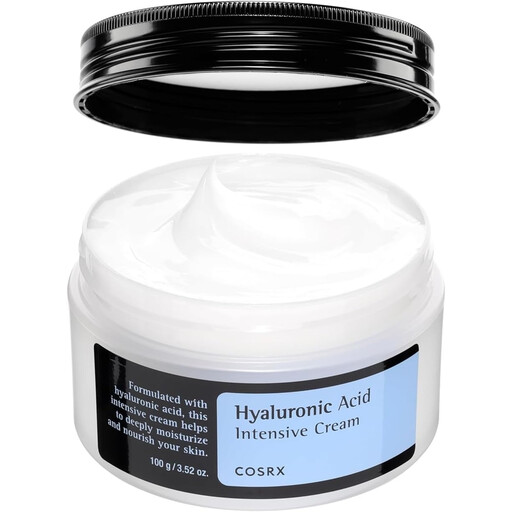
Why it suits this profile: The 100 g pack offers a practical amount for daily use. The formula contains glycerine, betaine, sodium hyaluronate and plant oils.
The ingredients list makes it clear that the formula is not based solely on hyaluronic acid, but also contains humectants and emollients.
100 g size; glycerine and sodium hyaluronate; suitable for anyone looking for a richer cream.

Why it suits this profile: By carefully comparing ingredients and texture, you get a Korean face cream with five types of hyaluronic acid and a gel-cream-like finish.
The formula combines several forms of hyaluronic acid with argan, apricot kernel and safflower oils, rather than focusing on one attention-grabbing ingredient.
100 ml size; five types of hyaluronic acid according to the product description; suitable for dry, normal and mature skin.

Why it suits this profile: This formula is aimed at users who specifically look for barrier-supporting ingredients and a cream for sensitive skin.
The INCI list includes three ceramides, panthenol, squalane and hyaluronic acid. This means you can base your choice on more than a general claim.
100 ml size; Ceramide NP, AP and EOP; panthenol and allantoin in the ingredients list.

Why it suits this profile: According to the product information, the gel cream is intended for dry, combination and oily skin and can be used under make-up.
The lightweight gel texture helps prevent you from automatically choosing a heavy cream for daytime use. However, check that the finish suits your skin.
Gel-cream texture; 30 ml; according to the product information, free from alcohol, fragrance and parabens.
We have put together a complete, up-to-date list of products that fully meet these strict selection criteria and the applicable European safety regulations.
Most products are intended for daily use in the morning and evening. Apply the cream after cleansing and any serums. During the day, use a sunscreen product if it is part of your routine. When trying a new formula, start with a small amount.
Check the expiry date and the period-after-opening information on the packaging. Some products state, for example, that they should be used within six months of opening. Keep the jar or tube tightly closed, dry and out of direct sunlight. If the scent, colour or texture changes noticeably, stop using the product.
The price depends on the brand, size, packaging and ingredients. So compare the price per millilitre and check whether you are getting 30, 50 or 100 ml. A large, affordable pack is only practical when the cream suits your skin type and you use it regularly.
