
Vandaag of morgen in huis

Kwaliteit gegarandeerd

Welkomstaanbiedingen ontgrendelen: GRATIS bezorging | Tot 80% korting | Gratis 30 dagen JoyPlus-proefperiode
Download de app
Choosing a new face cream seems simple, until you’re faced with terms such as “lifting”, “deep hydration”, “collagen” and “skin barrier”. A high price or a long ingredients list doesn’t, in itself, tell you how well a product will suit your skin. The right choice depends mainly on your skin type, the texture, the ingredients and your daily routine.
Words such as “anti-ageing”, “firming” and “anti-wrinkle” sound appealing. However, they don’t guarantee visible results. According to some brands’ product descriptions, ingredients such as retinol, peptides or collagen may help give skin a smoother or firmer appearance. That doesn’t mean everyone will experience the same effect.
So look for verifiable information:
A rich cream can feel pleasant on dry skin, but uncomfortable on oily or combination skin. A lightweight gel-cream can work well during the day, but may not provide enough protection in cold or dry weather.
Don’t choose based only on terms such as “light” or “intensely hydrating”. Look at ingredients such as glycerine, squalane, shea butter, oils and silicones, too. These can give you an idea of how nourishing or protective the formula may be.
A product may be described by the brand as suitable for sensitive skin, but still contain fragrance or essential oils. For example, Skin1004 Madagascar Centella Cream lists lavender oil and orange oil among its ingredients. That doesn’t necessarily mean there’s a problem, but it’s useful to know if your skin reacts easily.
So always check for:
A hyaluronic acid cream often contains several forms of hyaluronic acid. According to the product description, these ingredients help retain moisture on the skin’s surface. Isntree Hyaluronic Acid Moist Cream uses five types of hyaluronic acid and also contains glycerine, argan oil and apricot kernel oil.
Bear in mind the difference between hydration and nourishment. Glycerine and hyaluronic acid are mainly humectants. Oils, shea butter and squalane make a formula more nourishing and can help keep moisture in for longer.
If your skin feels tight or dry, look for a skin barrier cream or ceramide cream. Ceramides are lipids that occur naturally in the skin. In skincare, they’re used in formulas designed to support the skin’s protective barrier.
The Ceramide Skin Barrier Moisturizer contains several ceramides, cholesterol, phytosphingosine, panthenol and hyaluronic acid, among other ingredients. ANUA 3 Ceramide Panthenol Moisture Barrier Cream combines ceramides with panthenol, centella and squalane.
A skin barrier cream isn’t a substitute for medical treatment. If redness, itching or other skin problems persist, it’s a good idea to consult a doctor or dermatologist.
An anti-ageing cream may contain ingredients such as retinol, peptides, niacinamide or adenosine. The product description for RoC Retinol Correxion Line Smoothing Maximum Hydration Cream lists pure RoC retinol and hyaluronic acid. Retinol can be intense for some users. Introduce it gradually, follow the label and use sun protection during the day.
Peptides and collagen are also often found in a firming face cream or collagen cream. According to BIODANCE’s product description, the formula contains 10 peptides and collagen water. Treat this as a product specification, not a guarantee of reduced wrinkles or pores.

Why it suits this profile: A practical everyday facial moisturiser with a gel-cream texture and a generous 100 ml size. Ideal if you want to start hydrating your skin without a complicated routine.
The product information names specific ingredients, including five types of hyaluronic acid, glycerine and oils, rather than relying on a general claim about moisture.
100 ml; five forms of hyaluronic acid; described as ethanol-free in the product information.
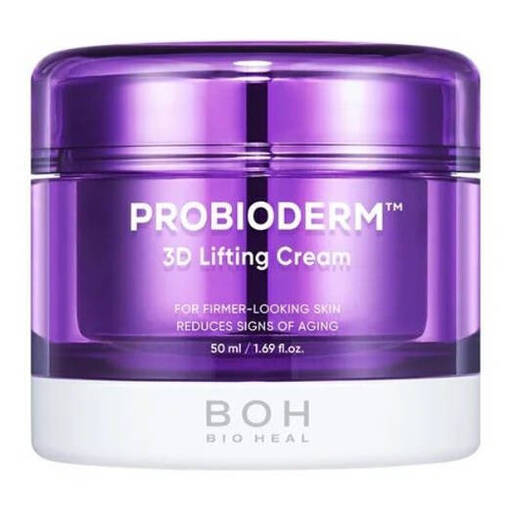
Why it suits this profile: For fans of Korean skincare looking for a richer formula with peptides and ingredients that support the skin barrier.
The product description specifies a complex featuring probiotics, prebiotics, postbiotics and 17 peptides. Claims about lifting and wrinkles come from the brand’s product information.
50 ml; pump packaging; contains panthenol, beta-glucan, adenosine and several peptides.

Why it suits this profile: A good choice if you’re specifically looking for a ceramide cream for dry, tight or easily irritated skin.
The ingredients list clearly names ceramides, cholesterol, panthenol and hyaluronic acid. The product information also recommends a patch test for sensitive skin.
80 ml; several ceramides; contains squalane, cholesterol and different forms of hyaluronic acid.
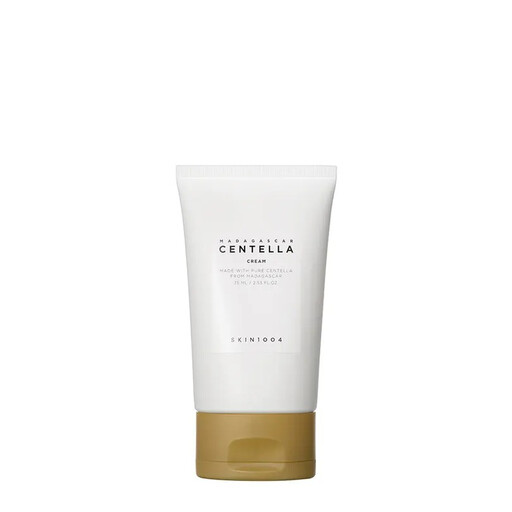
Why it suits this profile: The lightweight formula is designed to provide daily hydration for normal and sensitive skin. Check for essential oils if you’re sensitive to them.
The product information describes a vegan formula with 9.8% centella extract, while the full ingredients list also includes panthenol, niacinamide and ceramide NP.
75 ml; lightweight texture; contains centella, panthenol, niacinamide and ceramide NP.
We’ve put together a complete, up-to-date list of products that meet these strict selection criteria and the current European safety requirements.
Look for a combination of humectants and occlusive ingredients. Glycerine, hyaluronic acid and panthenol help retain moisture. Ceramides, squalane, shea butter and oils can make the formula more nourishing. A cream for dry skin can be richer, especially in the evening or in cold weather.
Most face creams are applied once or twice a day after cleansing, serum or toner. Start with a small amount and apply more if needed. If your routine includes retinol, acids or other ingredients that can make your skin more sensitive to the sun, use sun protection during the day.
Follow the symbol and instructions on the packaging. For example, products in the selection provided state that they can be used for 6 or 12 months after opening. Keep the cream closed, in a dry place and out of direct sunlight. Stop using it if its smell, colour or texture changes, or if it causes irritation.
