
Vandaag of morgen in huis

Kwaliteit gegarandeerd

Welkomstaanbiedingen ontgrendelen: GRATIS bezorging | Tot 80% korting | Gratis 30 dagen JoyPlus-proefperiode
Download de app
Buying a new face cream might seem straightforward, until you have to choose between a hydrating face cream, an anti-ageing face cream, a night cream or a cream for sensitive skin. Marketing copy often focuses on one standout ingredient, yet the full formula, packaging and usage instructions are at least as important.
This guide will help you compare more effectively. You’ll discover which specifications to check, which ingredients suit different skin needs, and which popular choices fit into daily routines here in the UK.
Vitamin C, retinol, niacinamide, hyaluronic acid and ceramides often feature prominently on the front of a pack. However, that doesn’t automatically tell you how much of the ingredient is present, how stable the formula is, or how your skin will react to it.
A vitamin C cream, for example, may be aimed at a more even complexion, but the overall experience also depends on the type of vitamin C used, the packaging and the supporting ingredients. With a retinol cream or a cream containing retinal, it’s wise to build up use gradually.
A cream may be described as suitable for all skin types, but fragrances, plant extracts, acids or a rich texture can feel less pleasant for some users. Always check the full ingredients list and safety information.
If you have sensitive or reactive skin, a cream for sensitive skin without too many active ingredients is often more practical. Test a new product on a small area of skin first, and stop if you experience persistent redness, itching or irritation.
A regular day cream may hydrate, but it does not replace a sunscreen with SPF50. If there is no clear SPF value and UVA information on the label, use a separate sun protection product. Apply a sunscreen SPF50 as the last step in your morning routine and reapply during prolonged exposure, sweating or swimming, as directed on the label.
For dry skin, a richer repairing face cream or barrier-repair cream often feels more comfortable than a very light gel. Look out for:
Oily or combination skin, on the other hand, can benefit from a light gel cream or fast-absorbing lotion. Don’t just look at the ingredients; also consider the texture description and reviews about stickiness or a shiny finish.
Use active ingredients purposefully and don’t build up your routine too quickly.
Claims such as “fades dark spots”, “repairs the skin” or “reduces wrinkles” come from brand or product information. Don’t take them as guaranteed results. With a cream for dark spots, daily sun protection remains important.
Don’t just compare the price; also compare the volume: many face creams contain 30, 50 or 60 ml. A jar can be less hygienic than a tube or pump bottle if you regularly dip your fingers into the product.
Before you buy, check:
The stated shelf life on the packaging is what matters. Store creams according to the instructions, usually in a cool place away from direct sunlight.
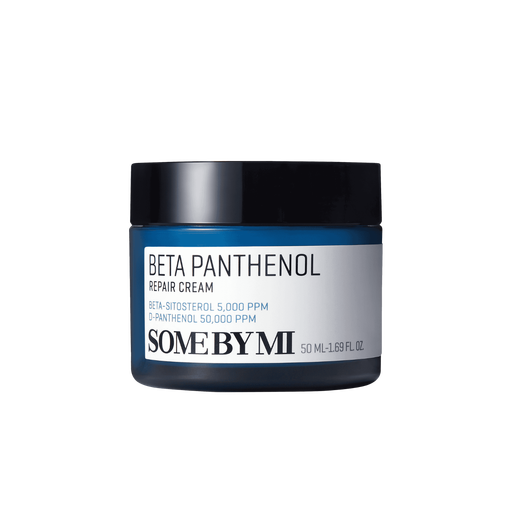
Why This Fits Their Persona: A practical choice for anyone looking for a simple hydrating face cream for daily use, without immediately combining multiple active products.
The product description mentions panthenol, beta-sitosterol and a non-comedogenic formula. Do check the current INCI list on the packaging yourself.
50 ml; panthenol appears high on the stated ingredients list; suitable for morning and evening according to the product information.
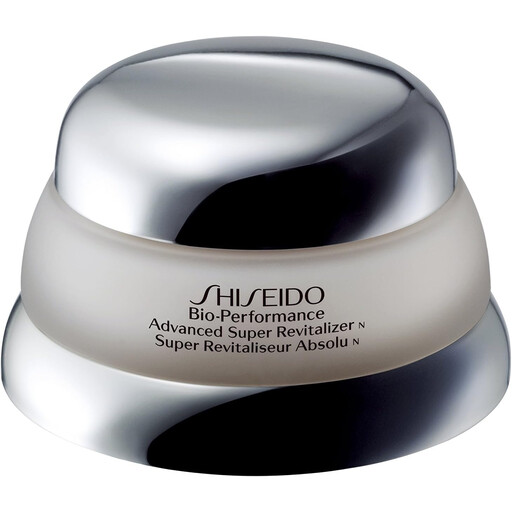
Why This Fits Their Persona: Suits shoppers looking for a luxury face cream who pay particular attention to brand, size and a richer skincare routine.
Compare the price per millilitre and check the official product information. A higher price alone doesn’t guarantee better results.
Volume of 50 ml; premium positioning; suitable for those using an extensive evening routine.
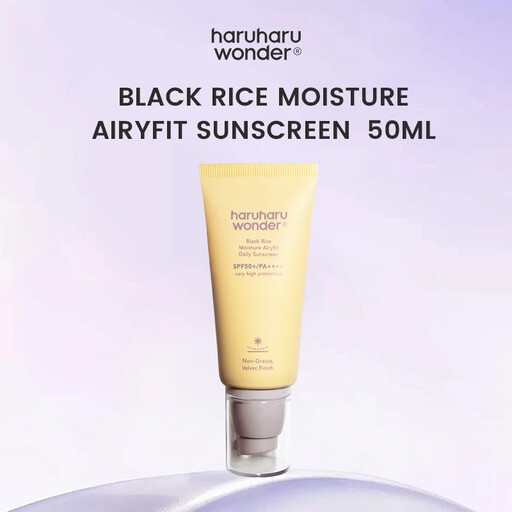
Why This Fits Their Persona: Handy for anyone who wants a light, cream-like sun protection during the day, under make-up or during the daily commute.
The product information states SPF50+ and PA++++. When purchasing, check that these designations also appear on the current packaging.
50 ml; SPF50+ and PA++++ according to the product data; contains, among others, glycerin, niacinamide and ceramide NP.
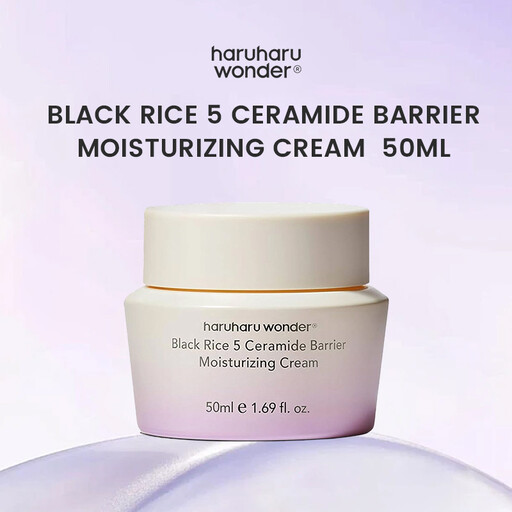
Why This Fits Their Persona: A logical option for fans of Korean skincare who are looking for a face cream with ceramides for morning or evening use.
The formula lists ceramides, glycerin and allantoin. These are verifiable ingredients; the final suitability varies from skin to skin.
50 ml; five ceramide variants are mentioned in the product information; suitable for daily use according to the label.
If you’re particularly looking for a light formula with rice extract or a Korean-inspired feel, you can also browse the rice cream range.
Browse a current selection of face creams and compare formulas, skin goals, volume and usage instructions before you order.
Follow the PAO symbol and the expiry date on the packaging. You may want to note the date you open the product. If the smell, colour or texture changes noticeably, stop using the cream.
During the day, a separate sunscreen SPF50 is advisable when you are outdoors for long periods. A regular moisturiser without SPF offers no stated protection against UV radiation.
This can vary depending on the formula. To limit irritation, you can use vitamin C in the morning and retinol or retinal in the evening. Always follow the product instructions and introduce one new active product at a time.
