
Vandaag of morgen in huis

Kwaliteit gegarandeerd

Welkomstaanbiedingen ontgrendelen: GRATIS bezorging | Tot 80% korting | Gratis 30 dagen JoyPlus-proefperiode
Download de app
Choosing a new face cream sounds simple, but online you mainly see promises of glow, repair and long-lasting hydration. The formula, texture and suitability for your skin ultimately determine whether a cream works well in your daily routine. An expensive jar is not automatically the right choice, and a long ingredients list says little about your skin’s actual needs.
This guide will help you assess marketing claims more effectively and choose a hydrating face cream for dry, sensitive, combination or oily skin.
Words such as “with hyaluronic acid”, “niacinamide” or “ceramides” sound appealing, but also look at where the ingredient appears in the ingredients list. A hyaluronic acid cream may contain different forms of hyaluronic acid, while the texture and level of moisture-binding ingredients can vary considerably.
The overall composition is also important when choosing a niacinamide cream. Glycerine, panthenol, oils, silicones and fatty alcohols work together to determine how comfortable the cream feels.
A rich cream can feel comforting on tight, dry skin but feel heavy on oily or combination skin. Conversely, a lightweight gel cream may not provide enough comfort for dry skin, particularly in winter or in a home with dry central-heating air.
So pay attention to the format:
“Brightening”, “firming” and “barrier repair” are product claims. Do not present them as guaranteed effects. According to a brand’s own research, an ingredient may contribute to the product effect described, but individual results vary.
Stop using the product if you experience redness, itching, swelling or a burning sensation. A cosmetic product is not a treatment for a medical skin condition. Always check the current packaging, ingredients list, shelf life and usage instructions.
For everyday hydration, glycerine, betaine, panthenol and hyaluronic acid are commonly used humectants. For dry skin, shea butter, squalane and plant oils can provide additional comfort. A skin barrier cream often contains ceramides, cholesterol, fatty acids or similar skin-conditioning ingredients.
For sensitive skin, a short, straightforward formula is often easier to assess. Pay particular attention to fragrance, essential oils and known allergens. “Hypoallergenic” or “dermatologically tested” does not guarantee that everyone will tolerate the product; according to the brand’s own research or test data, these terms may describe a particular product assessment.
When choosing a cream for oily skin, a lightweight gel cream or a formula that absorbs quickly is usually preferable. According to the product information, the Beauty of Joseon Red Bean Hydrating Gel Cream is intended for oily skin and has a lightweight gel texture.
For a cream for dry skin, a richer base and ingredients such as glycerine, shea butter, oils or ceramides are useful points to consider. With combination skin, you can use a lightweight cream all over your face and apply a richer layer only to dry areas.
A jar requires hygienic use: wash your hands and close the packaging properly. A tube or pump dispenser reduces direct contact with the formula. Check the packaging for the expiry date or the period after opening. For example, the Isntree Hyaluronic Acid Moist Cream states that the product should be used within six months of opening.
Use a face cream on cleansed skin. A small amount is usually enough. During the day, a routine containing ingredients such as tranexamic acid or vitamin C should also include a sun cream offering suitable protection. Always follow the label.

Why it suits this profile: The 100ml size and lightweight gel texture make this a practical choice for everyday hydration without feeling heavy.
The product information explicitly describes a lightweight gel without a sticky feel, intended for oily skin.
100ml contents; gel cream containing, according to the product description, 44% Haenam Red Bean Extract and a peptide complex.

Why it suits this profile: According to the product details, the gel cream is suitable for dry, very dry, combination and oily skin, and can also be worn under make-up.
The formula is described as alcohol-free and fragrance-free, meaning there are fewer ingredients to rule out if you have sensitive skin.
30ml packaging; gel cream; according to the product information, non-comedogenic, paraben-free and fragrance-free.
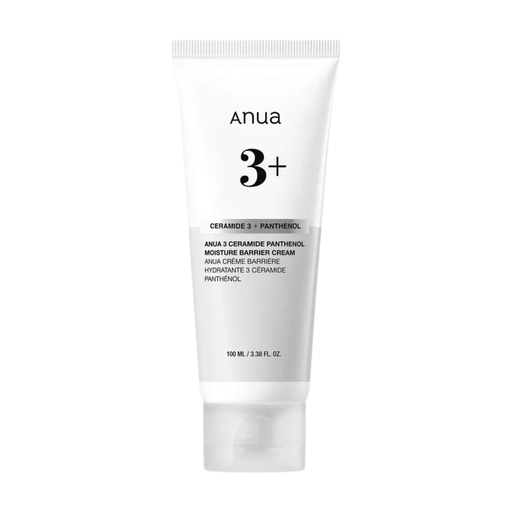
Why it suits this profile: According to the ingredients list, this rich face moisturiser focuses on hydration and the skin barrier, making it suitable for people who follow a consistent morning and evening routine.
The formula is not built around just one popular ingredient: it contains panthenol, glycerine, three named ceramides, squalane and hyaluronic acid.
100ml contents; ceramides NP, AP and EOP; also contains panthenol, ectoin, allantoin and sodium hyaluronate.
We have compiled a complete, up-to-date list of products that fully meet these strict selection criteria and the applicable European safety regulations.
For most routines, once in the morning and once in the evening is practical. Apply the cream after cleansing and, if applicable, using a serum. During the day, follow with sun cream according to the product instructions. When trying a new formula, start with a small amount.
The shelf life is shown on the packaging as an expiry date or a period after opening. Store the cream in a cool, dry place away from direct sunlight. If the smell, colour or texture changes noticeably, stop using the product. With a jar, hygienic application is particularly important.
If you have previously reacted badly to these ingredients, look for a simple formula without fragrance or essential oils. You should still test a cream for sensitive skin on a small area first. Stop using it if irritation occurs and consult a dermatologist or doctor if symptoms persist.
