
Vandaag of morgen in huis

Kwaliteit gegarandeerd

Welkomstaanbiedingen ontgrendelen: GRATIS bezorging | Tot 80% korting | Gratis 30 dagen JoyPlus-proefperiode
Download de app
Buying a face cream seems simple enough – until you have to choose between a hydrating face cream, day cream, night cream, barrier cream or an anti-ageing face cream. Marketing copy doesn’t always make it clear what you’re actually getting. The right choice depends mainly on your skin type, the ingredients, the texture and when you plan to use it.
Terms like “repair”, “lifting”, “detox” and “100 hours of hydration” sound convincing, but they don’t automatically tell you how a product will feel on your skin. According to Clinique’s product description, Moisture Surge 100H keeps the skin hydrated for up to 100 hours. That’s a brand claim from the product information, not a guarantee for every user.
Instead, look for verifiable features such as:
A face cream with SPF can be handy for daily use, but the protection factor and how you apply it matter. NIVEA Soothing Day Cream contains SPF 15. Clinique Superdefense contains SPF 25. These values are product details taken from the description. For prolonged sun exposure – on holiday or during a long bike ride, for example – a separate sun product may be more practical.
A night cream typically contains no SPF. So don’t use a night cream as a substitute for a day cream with sun protection.
A product may be labelled by the manufacturer as suitable for sensitive skin, yet still contain ingredients that you personally don’t tolerate well. Sebamed Extreme Dry Face Cream, for instance, contains urea and panthenol, but also fragrance and benzyl alcohol. If you’re specifically looking for a fragrance-free face cream, you must always check the ingredients list.
If you have sensitive or acne-prone skin, it’s wise to try a small amount on a limited area first. Stop using it if you experience irritation, redness or a stinging sensation.
For dry skin, humectants and emollients are relevant. Glycerine, urea, panthenol and hyaluronic acid are common in hydrating face creams. A barrier cream may also contain ceramides, cholesterol, squalane or fatty acids.
According to its ingredients list, The Ceramide Skin Barrier Moisturizer contains multiple ceramides, panthenol, squalane and several forms of hyaluronic acid. The formula is also clinically tested, hypoallergenic and non-comedogenic, according to the product information. These claims come from the brand’s product description.
A rich cream can feel lovely for a face cream for dry skin, especially in winter or when your skin feels tight. A gel-cream is often a logical choice for combination or oily skin, as it feels lighter.
A day cream is usually lighter and may contain SPF. A night cream is often richer and focused on comfort during your evening routine. Avène DERMABSOLU Intensive Night Cream is described by the manufacturer as intended for mature skin and contains bakuchiol, pro-ceramides and niacinamide. The stated anti-ageing properties are claims from Avène’s product information.
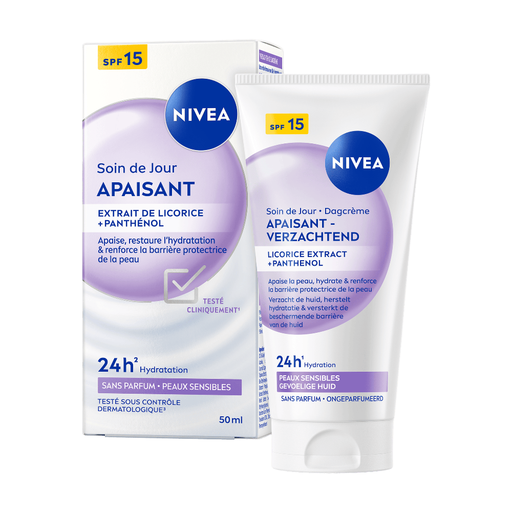
Why This Fits Their Persona: A practical day cream for anyone looking for daily hydration, a fragrance-free formula and a modest SPF all in one product.
The product description states it is fragrance-free, pH-neutral and has SPF 15. Do check whether this level of protection suits your daily exposure.
50 ml; contains glycerine and panthenol; suitable for sensitive, dry and combination skin according to the product information.
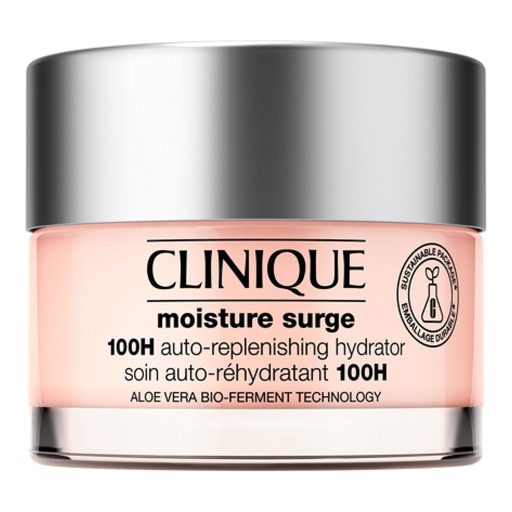
Why This Fits Their Persona: Suits anyone who wants a light, oil-free gel-cream that can be worn under make-up.
The light texture stops you automatically choosing a heavy cream for combination or oily skin. The hydration duration claims come from Clinique.
50 ml; fragrance-free, alcohol-free, oil-free and non-comedogenic according to the product data.

Why This Fits Their Persona: A logical choice for anyone looking for a barrier cream with a richer formula and multiple humectants.
The ingredients list clearly shows which barrier-supporting components are present, rather than just using a vague repair claim.
80 ml; contains ceramides, squalane, panthenol and hyaluronic acid; non-comedogenic according to the product information.
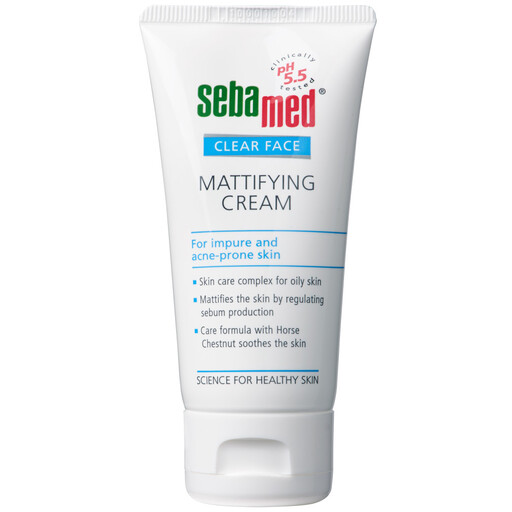
Why This Fits Their Persona: Suitable for anyone looking for a mattifying face cream with a light, daily application in the morning and evening.
The product description mentions a mattifying effect and a formula containing niacinamide, panthenol and zinc gluconate. Fragrance is also listed in the ingredients.
50 ml; contains aloe vera, panthenol, niacinamide and hyaluronic acid; designed for use in the morning and evening.
Browse a current selection of face creams suited to different skin types, textures and usage occasions.
You usually can, as long as the texture and ingredients suit your skin. A day cream with SPF is intended for daytime use. A night cream is often richer and typically contains no sun protection. Always check the usage instructions on the packaging.
Check the expiry date and the symbol of the opened jar, for example 12M. Store the cream in a cool place, keep the packaging sealed properly and keep your fingers clean when using from a pot. If the smell, colour or texture changes, stop using the product.
Choose a fragrance-free face cream with a clear ingredients list and avoid introducing several new products at once. A product that the manufacturer says is dermatologically tested or suitable for sensitive skin can be a starting point, but your personal reaction is what matters. A patch test helps you introduce a new cream more cautiously.
