
Vandaag of morgen in huis

Kwaliteit gegarandeerd

Welkomstaanbiedingen ontgrendelen: GRATIS bezorging | Tot 80% korting | Gratis 30 dagen JoyPlus-proefperiode
Download de app
Buying a face cream seems simple enough, until you have to choose between a hydrating face cream, face lotion, gel-cream or facial moisturiser. A rich cream can feel lovely on dry skin, but too heavy for oily or combination skin. Terms like “intense hydration”, “anti-ageing” and “suitable for sensitive skin” don’t always tell the full story either.
These practical pointers will help you avoid paying mostly for marketing.
Brands sometimes mention a specific number of hours of hydration or a percentage by which the skin barrier is supposedly strengthened. These are not universal guarantees. So check whether the claim comes from the brand’s own research, and also look at the ingredients, usage instructions and skin type the product is intended for.
A light lotion feels pleasant, but isn’t automatically sufficient for very dry skin. Conversely, a rich cream can feel heavy or greasy on oily skin. Pay attention to the combination of texture, skin type and time of use. A gel-cream often works well under make-up, while a richer face cream is better suited to dry skin or the colder months.
A botanical ingredient doesn’t automatically make a formula suitable for everyone. Likewise, a product positioned as anti-ageing doesn’t replace sun protection and won’t automatically prevent wrinkles. For sensitive skin, fragrance, alcohol and certain acids are important things to watch out for. Always read the current ingredients list on the packaging; formulations can change.
Use this guide as a starting point:
A face lotion is generally thinner than a classic cream. An emulsion often sits somewhere in between and can be suitable when you want hydration without a heavy layer.
Glycerine, hyaluronic acid and certain sugars help retain moisture. Dimethicone can make the skin feel smooth and provide a good base under make-up. Richer ingredients like petrolatum, shea butter or squalane can be beneficial for dry skin, but won’t feel comfortable for everyone.
Also check for:
A claim like “dermatologically tested” describes a test or brand positioning, but doesn’t mean every skin type will tolerate the product without issue. If in doubt, first test a small amount on a limited area of skin.
A day cream with SPF can be practical, but check the stated protection factor and use enough product. A regular moisturiser without SPF is no substitute for a sun product. Also note the size: 50 ml is standard for a face cream, while lotions of 100 to 500 ml are often intended for broader or repeated use.
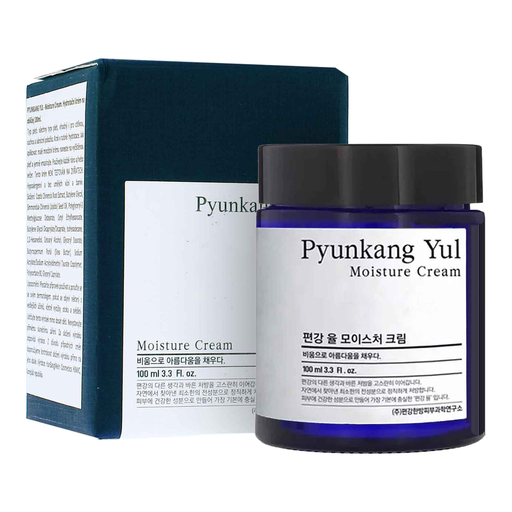
Why it fits this profile: The 100 ml formula is designed for daily use and, according to the product information, absorbs quickly without a sticky feel. The lotion is aimed at sensitive and oily skin.
The product description mentions a fragrance-free, non-greasy formula. Check the current packaging if ingredients are decisive for you.
100 ml, suitable for face and neck, according to the product information fragrance-free and vegan.

Why it fits this profile: This oil-free gel-cream is, according to the product information, suitable for dry, normal, combination and oily skin. The light texture can be used as a moisturiser, make-up base or quick mask.
The product information specifies the oil-free gel-cream, fragrance-free formula and 75 ml size. The stated 100 hours of hydration is a claim from Clinique, not a general guarantee.
Oil-free gel-cream, fragrance-free according to the product data and usable under make-up.
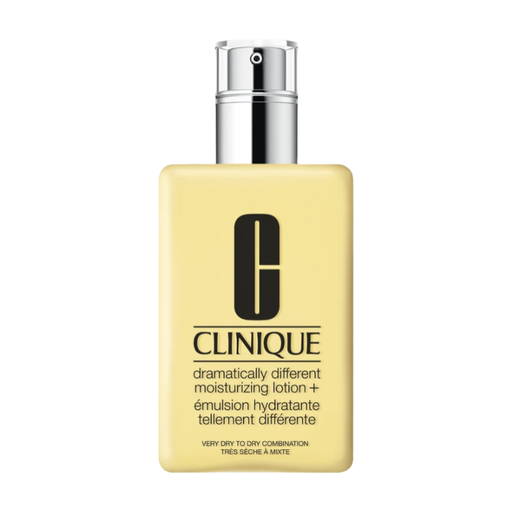
Why it fits this profile: According to the product details, the lotion is intended for very dry to dry/combination skin and can be used morning and evening on the face and neck.
The target audience and size are clearly stated: 125 ml for dry to combination skin. The brand’s claim about strengthening the moisture barrier should be read as a statement from Clinique.
125 ml, emulsion texture, according to the product data fragrance-free and allergy-tested.
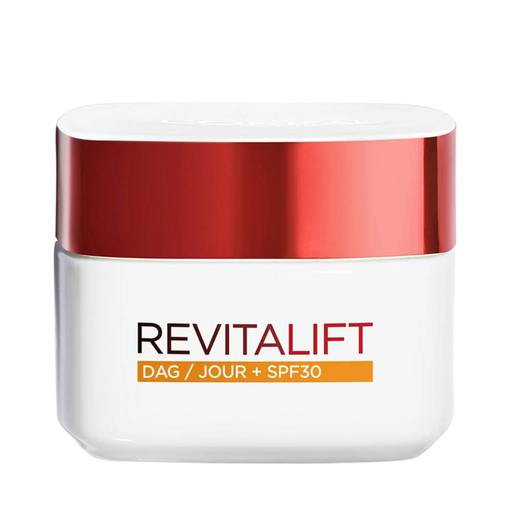
Why it fits this profile: This day cream combines daily care with SPF 30. The product description also mentions pro-retinol A and an Elasti-flex complex as part of the formula.
The SPF factor is clearly stated. However, SPF 30 does not provide complete protection against solar radiation; follow the usage instructions and avoid prolonged, intense exposure.
Day cream with SPF 30 and a formula that, according to the product description, targets wrinkles.
We’ve put together a full, up-to-date list of products that fully meet these strict selection criteria and comply with current European safety regulations.
For most daily routines, one application in the morning and one in the evening is sufficient, as long as this matches the product instructions. Apply the cream to cleansed skin. During the day, you may also need a separate sun product, depending on the SPF of your day cream and your sun exposure.
Check the expiry date or the symbol of an open jar on the packaging. Store the cream in a cool, dry place away from direct sunlight, and close the packaging after use. A change in smell, colour or texture could be a reason to stop using the product.
No. The right choice depends mainly on skin type, ingredients, texture, size and usage. A fragrance-free lotion can be more logical for someone with sensitive skin than a heavily fragranced cream with a higher price tag. Compare the product specifications and choose the formula you can consistently use and enjoy.
