
Vandaag of morgen in huis

Kwaliteit gegarandeerd

Welkomstaanbiedingen ontgrendelen: GRATIS bezorging | Tot 80% korting | Gratis 30 dagen JoyPlus-proefperiode
Download de app
A new face cream seems simple enough to choose – until you have to decide between a gel cream, a rich moisturiser, a Korean face cream or an anti-ageing face cream. Marketing copy often throws around terms like “intensive repair”, “instant soothing” or “24-hour hydration”. Such phrases don’t always tell you how a product will fit into your daily routine.
This guide helps you compare face creams based on skin type, ingredients, texture and usage. That way, you can avoid paying for a formula that’s too greasy, too light or simply not right for your skin.
A product packed with plant extracts or multiple active ingredients isn’t automatically suitable for your skin. For sensitive skin, fragrances, essential oils or a combination of active ingredients can actually cause discomfort.
Instead, focus on the ingredients that match your goal:
A rich cream for dry skin can feel heavy on oily or acne-prone skin. A light gel cream might feel lovely during the day, but in winter it may not provide enough comfort for a dry skin.
As a starting point, choose:
According to a brand’s product description, a formula might, for example, help soothe, reduce sebum or support the skin barrier. Treat this as information from the manufacturer, not as a guaranteed outcome. With claims like “clinically tested”, it’s wise to check exactly which test is being referred to and whether the full information is on the packaging or product page.
Look at the full INCI list before you order. A cream for sensitive skin isn’t necessarily free of ingredients that could irritate you. Dear, Klairs Rich Moist Soothing Cream, for example, contains shea butter, jojoba oil, beta-glucan, sodium hyaluronate and ceramide NP, but also several essential oils such as lavender, lemon and eucalyptus oil. That doesn’t automatically make the formula unsuitable, but it is relevant information if you prefer to avoid fragrance or essential oils.
A face moisturiser is usually applied after cleansing and, if you use one, after a serum. A light formula often works well under sunscreen or make-up. A richer cream can be better as the last step in your evening routine.
Also check the recommended amount. A product for spot treatment, like Dear, Klairs Midnight Blue Calming Cream at 30 ml, has a different purpose to a daily cream of 80 or 100 ml.
Don’t just compare the price – compare the volume too:
Check the expiry date, batch information and the period after opening on the packaging. Store the cream in a cool, dry place away from direct sunlight. Don’t use a face cream on broken skin, and stop if you experience persistent redness, itching or swelling.

Why this profile fits: The light gel cream at 100 ml is practical for daily use in the morning and evening, without leaving a heavy feeling on the skin.
The texture is clearly described as light and non-greasy. According to the product description, the formula contains 77% oat seed water, panthenol, squalane and beta-glucan.
100 ml volume, gel cream texture and use after serum but before sunscreen. Check the ingredients if you have known allergies.
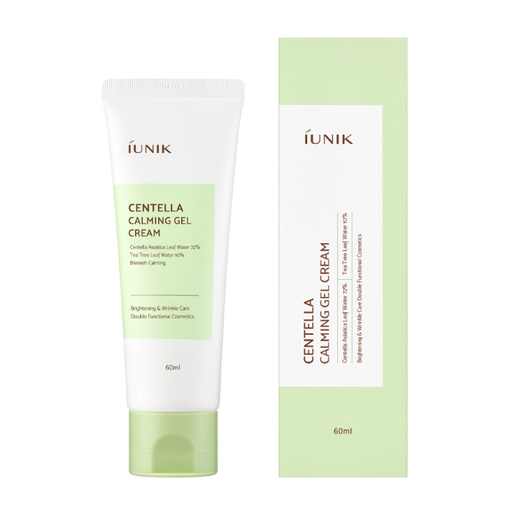
Why this profile fits: The light gel texture is designed for users who want fast-absorbing hydration without a sticky or heavy feel.
The product description mentions centella, tea tree, niacinamide and adenosine. The stated clinical results are claims from the brand; don’t see them as a guaranteed outcome.
Gel cream with a light finish; according to the product information, it’s free from synthetic fragrance and suitable for oily, combination and sensitive skin.
Browse a current selection of soothing face creams and compare volume, texture and ingredients for your routine.
Apply the cream to a cleansed face. If you use a serum, the face cream usually comes after it. During the day, sunscreen is the final step. When trying a new formula, start with a small amount and test it on a limited area of skin first, especially if you have sensitive or acne-prone skin.
Don’t use several new active products at the same time. If irritation occurs, stop using the product. For persistent issues, advice from a doctor or dermatologist is more appropriate than continuing to experiment with cosmetics.
Look for a cream for dry skin that contains humectants and lipid-like ingredients, such as glycerine, hyaluronic acid, ceramides, squalane or shea butter. A richer texture is often more comfortable than a thin gel, especially in a dry indoor environment or during winter.
A gel cream generally feels lighter and can therefore be pleasant for oily or combination skin. However, do check the full ingredient list and any claims such as non-comedogenic. Your personal reaction is what matters most; a product that works for one person won’t automatically work the same for another.
That depends on the formula. A hydrating cream with, for example, ceramides or peptides can usually be easily incorporated into a daily routine. Products with glycolic acid, bakuchiol or other active ingredients require more attention to gradual introduction and sun protection. Always follow the usage instructions on the packaging and don’t combine too many active products at once.
