
Vandaag of morgen in huis

Kwaliteit gegarandeerd

Welkomstaanbiedingen ontgrendelen: GRATIS bezorging | Tot 80% korting | Gratis 30 dagen JoyPlus-proefperiode
Download de app
Buying a new face cream seems straightforward, until you have to choose between a gel cream, rich moisturiser, Korean skincare cream or skin barrier cream. Marketing copy often promises radiant skin, long-lasting hydration or a visibly younger-looking complexion. However, an appealing claim says little about whether the formula is right for your skin and routine.
As a Joybuy Product Recommendation Officer, I therefore focus mainly on verifiable information: skin type, texture, size, ingredients, fragrance and when to use it. This helps you avoid buying a product that feels too greasy, too light or unnecessarily fragranced.
Hyaluronic acid, ceramides, niacinamide and plant extracts are often prominently displayed on the packaging. However, the presence of one ingredient does not automatically determine how pleasant a cream feels. Also look at the full ingredients list and the combination of humectants, emollients and occlusive ingredients.
For example, a hydrating face cream containing glycerine or hyaluronic acid may primarily attract moisture. Oils, butters, silicones and other emollient ingredients then influence the texture and comfort on the skin.
A moisturising cream with a heavy texture can feel comfortable on dry skin, but on oily or combination skin, such a formula may feel sticky. A gel cream for the face or lightweight lotion is often better suited to everyday use, particularly under make-up.
Also pay attention to the difference between a face cream and a body lotion. Vaseline Intensive Care Essential Healing, for example, is described in the product information as a body lotion for dry skin. This makes it a less logical first choice when you are specifically looking for a day cream for the face.
A fragrance-free formula can be a practical choice if you want to avoid fragrances. However, fragrance-free does not guarantee that every ingredient will be well tolerated. Check the full INCI list and test a new product on a small area of skin first.
Claims such as “soothing”, “restoring” or “anti-ageing” are also product claims. According to a brand’s own research or the product description, certain ingredients may contribute to a particular user experience, but they do not constitute a medical assessment or treatment.
First, choose based on how your skin feels throughout the day:
A skin barrier cream often contains ingredients that are similar to the skin’s natural lipids, such as ceramides, cholesterol and fatty acids. The Ceramide Skin Barrier Moisturizer, for example, lists several ceramides, cholesterol, panthenol, squalane and hyaluronic acid among its ingredients.
Hyaluronic acid comes in several forms. Isntree Hyaluronic Acid Moist Cream lists five types of hyaluronic acid alongside glycerine, argan oil, apricot kernel oil, panthenol and ceramide NP. The product description positions the formula for dry, normal and mature skin. However, check the current packaging when purchasing, as ingredients can change between production batches.
If you are looking for a fragrance-free face cream, check the ingredients list rather than relying only on the front of the packaging. Clinique Moisture Surge 100H is listed in the product details as fragrance-free, alcohol-free and non-comedogenic. Other products may contain fragrances or fragrance allergens.
Also consider the size. A 100 ml jar may appear better value than a 30 or 50 ml pack, but the correct comparison is the price per millilitre. A smaller pack is particularly useful when you want to try a formula first.

Why it suits this profile: The 100 ml size is suitable for everyday use, while the gel cream texture is approachable for anyone buying their first face moisturiser.
The product information lists multiple hydrating ingredients and a lightweight texture, rather than focusing on just one prominent active ingredient.
100 ml; gel cream; five types of hyaluronic acid according to the product description; suitable for skin that feels normal to dry.

Why it suits this profile: An interesting option if you are specifically looking for a formula with ceramides and several supportive lipids for a dry or sensitive skin routine.
The ingredients list can be checked and includes ceramides, cholesterol, panthenol, squalane and hyaluronic acid.
80 ml; ceramide complex; listed in the product information as hypoallergenic, non-comedogenic and dermatologically tested.

Why it suits this profile: The gel texture is practical for use under make-up or as an extra layer on dry areas as part of an extensive routine.
The product details clearly state the gel base, 30 ml size and absence of fragrance and alcohol, helping you choose a formula that suits your needs.
Gel cream; listed in the product details as suitable for dry, very dry, combination and oily skin; stated to be fragrance-free.
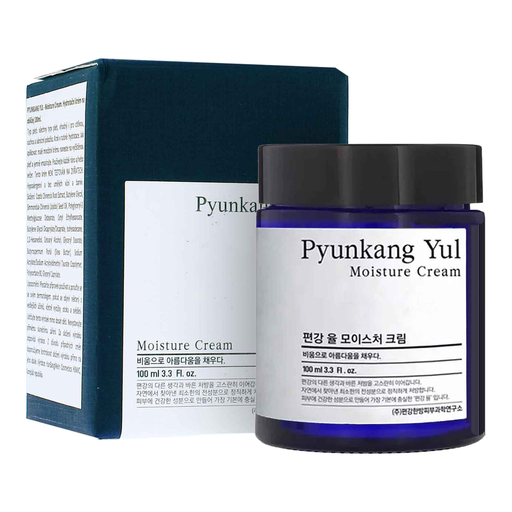
Why it suits this profile: According to the product information, this lotion is intended for everyday use and the formula contains no fragrance; the texture is described as fast-absorbing.
The product details identify the skin type, fragrance-free formula and texture separately. Check the current packaging if you have allergies or particularly sensitive skin.
100 ml; lotion texture; listed as vegan in the product details; aimed at sensitive and oily skin.
We have compiled a complete, up-to-date list of products that fully meet these strict selection criteria and the applicable European safety regulations.
That depends on the formula and your routine. Many moisturisers can be applied morning and evening to cleansed skin. During the day, also use a sun protection product if this fits into your routine. Start with a small amount; using more cream does not automatically mean greater comfort.
Check the packaging for the expiry date and the period after opening. Some product information, for example, recommends using the product within six months of opening. Store the cream in a cool, dry place away from direct sunlight. Has the smell, colour or texture changed? Stop using the product and check the safety information.
A face cream for dry skin often has a richer texture and contains a combination of humectants, emollients and ingredients that help limit moisture loss. Ceramides, glycerine, panthenol, squalane and plant oils are examples to look for in the ingredients list. If you have sensitive skin, also choose fragrance-free products carefully and test a new formula on a small area first.
