
Vandaag of morgen in huis

Kwaliteit gegarandeerd

Welkomstaanbiedingen ontgrendelen: GRATIS bezorging | Tot 80% korting | Gratis 30 dagen JoyPlus-proefperiode
Download de app
Buying a face cream seems simple until you have to choose between a day cream, night cream, hydrating face cream, anti-ageing cream or barrier cream. Marketing copy often mentions radiant skin, intensive recovery or a more even complexion. These terms only mean something when you also consider the ingredients, how the product is used and whether it is compatible with your skin.
A thick cream feels instantly nourishing, but it is not automatically suitable for every skin type. On oily or blemish-prone skin, a heavy formula can feel uncomfortable. A lightweight gel cream may be more pleasant during the day, while a richer cream may suit dry skin or an evening routine better.
Pay attention to the combination of humectants, oils, butters and barrier-supporting ingredients. Glycerine and panthenol, for example, help the skin retain moisture. Ceramides and fatty acids are often used in formulas designed to support the skin barrier.
Ingredients such as glycolic acid, retinal or vitamin C can be useful in a routine focused on skin texture, dullness or visible signs of skin ageing. However, applying a product more often is not automatically better. An active cream may cause stinging or irritation for some users, particularly when several active products are used at the same time.
Start with a small amount and always follow the instructions on the packaging. If you have sensitive skin, test the product on a small area first. Stop using it if persistent redness, itching or a burning sensation occurs.
A cream without sun protection does not replace sunscreen. If you use a cream for pigmentation or an anti-ageing cream during the day, it is sensible to finish your morning routine with a separate SPF50 facial sunscreen when appropriate for the conditions.
When choosing a sunscreen, check the stated SPF, the usage instructions and whether reapplication is required. Haruharu Wonder’s product information, for example, recommends applying it as the final step and reapplying after prolonged exposure, swimming or perspiring.
A day cream is generally designed to feel comfortable under sunscreen or make-up. A night cream may be richer, but the main difference lies in the formula and your personal preference; the name alone is not a measure of quality.
The ingredients list provides more information than terms such as “glow”, “repair” or “renewing”. Examples include:
The effect of an ingredient varies depending on the formula, concentration and your skin. Brand promises therefore do not guarantee the same results for every user.
A 50 ml jar and a 50 ml tube contain the same amount of product, but a tube generally limits contact with the rest of the formula. Check the expiry information, batch number and period-after-opening symbol on the packaging. When buying online, it is also sensible to check that the product information matches the size supplied.
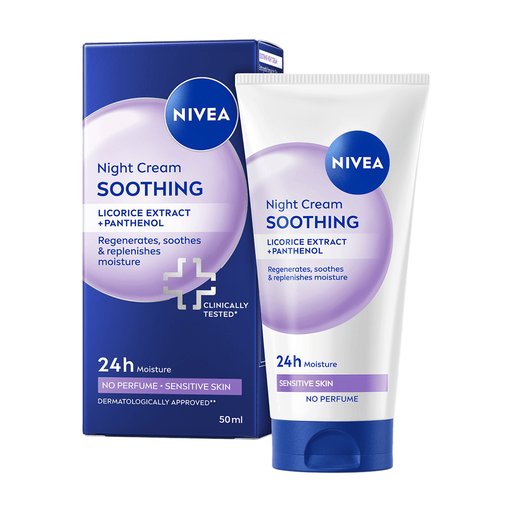
Why it suits this profile: According to the product information, this fragrance-free night cream is pH-neutral and intended for sensitive skin. This makes it a straightforward option for anyone looking for a simple evening routine.
The product description does not mention fragrance and lists panthenol, glycerine and liquorice root extract. However, check the packaging supplied to you.
50 ml, a fragrance-free formula and ingredients such as glycerine, shea butter and panthenol.
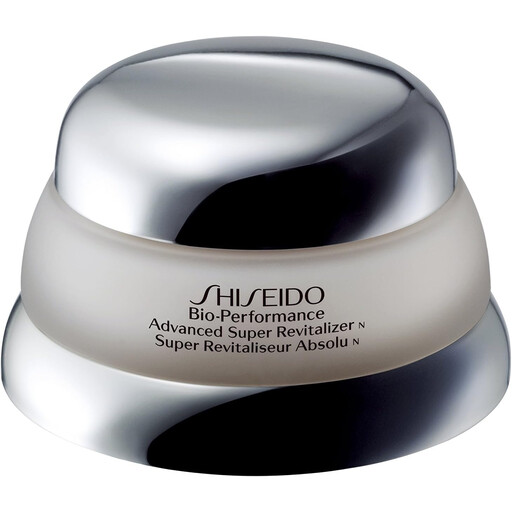
Why it suits this profile: This cream is suited to shoppers looking for a more luxurious face cream who place particular value on the brand, packaging and an evening skincare routine.
The choice is based on the size and specific product name, not on unsubstantiated performance claims. Check the ingredients and usage advice before buying.
50 ml and positioning within the luxury facial skincare category.
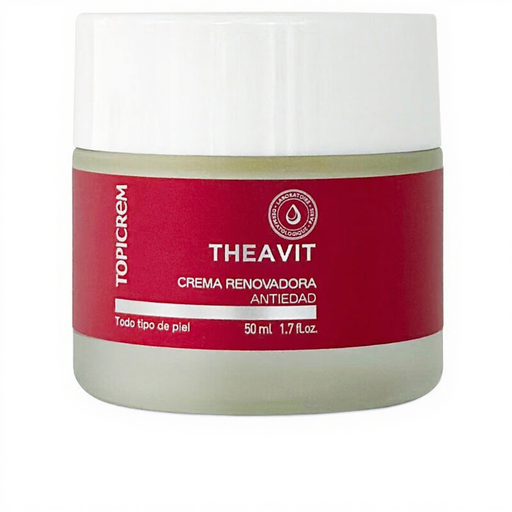
Why it suits this profile: According to the product information, this formula contains glycolic acid and is intended for use in the morning and evening. This makes it suitable for users who consciously want to include an exfoliating face cream in their routine.
The active ingredient is clearly stated. Build up use gradually and combine it with sun protection during the day; stop using it if irritation occurs.
Glycolic acid in the formula, 50 ml contents and a lightweight, fast-absorbing texture according to the product description.
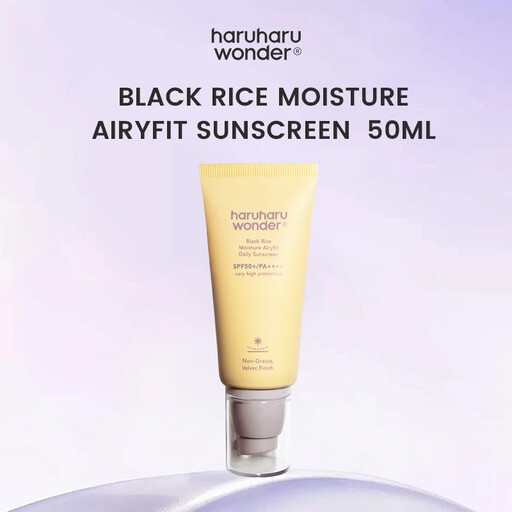
Why it suits this profile: Ideal for anyone who wants to combine hydration and everyday UV protection in one morning step. The product information states SPF50+ and PA++++.
The UV specifications are clearly stated. Apply enough product and reapply as instructed, especially when outdoors or after swimming.
SPF50+, PA++++, 50 ml and a lightweight texture according to the product description.
We have put together a complete, up-to-date list of products that fully meet these strict selection criteria and the applicable European safety regulations.
That depends on the product. A moisturiser is usually used once or twice a day on cleansed skin. An exfoliating or active cream may require a slower build-up schedule. Follow the instructions on the packaging and do not immediately combine several new active products.
Yes, provided both formulas work well with your skin. For example, use a lighter day cream in the morning and a richer night cream in the evening. During the day, separate sun protection remains important if your product does not contain SPF.
Check the expiry date and the period-after-opening symbol on the packaging. Store the cream in a cool, dry place away from direct sunlight. A change in smell, colour or texture may be a reason to stop using the product.
