
Vandaag of morgen in huis

Kwaliteit gegarandeerd

Welkomstaanbiedingen ontgrendelen: GRATIS bezorging | Tot 80% korting | Gratis 30 dagen JoyPlus-proefperiode
Download de app
Buying a new face cream might seem simple, but products vary widely in texture, ingredients and intended use. A rich cream may feel comfortable on dry skin, but too heavy on oily or acne-prone skin. A light gel may feel comfortable during the day, but not provide enough care when your skin feels tight.
Marketing claims don’t always make the choice any clearer. Instead, focus on information you can check: the skin type, ingredients list, size, instructions for use and warnings on the packaging.
Terms such as “lifting”, “collagen-boosting” and “pigmentation correcting” sound convincing, but don’t in themselves say much about how a product will work for your skin. A brand’s own research may report certain results after a set period, but this is no guarantee for every user.
So think of an anti-ageing cream, brightening cream or cream for dark spots as cosmetic skincare. Expect it to support hydration and comfort and help your skin look more even, rather than guarantee a visible change.
A vitamin C cream isn’t automatically formulated to suit every skin type. Niacinamide, tranexamic acid, retinol-like ingredients, acids and essential oils may also be less suitable for some people.
Check the full ingredients list. In particular, look out for:
A thick cream may pill under make-up, while a watery gel may not feel comfortable enough on dry skin. So think about when you’ll use it:
A cream for sensitive skin is best with a straightforward formula that doesn’t contain lots of unnecessary fragrance. If you have oily or combination skin, a light texture that absorbs quickly may feel more comfortable. Acne-prone skin calls for extra care when checking the full formula and any claims such as “non-comedogenic”.
For dry or mature skin, ingredients such as glycerine, shea butter, squalane, hyaluronic acid and ceramides may be worth considering. If you’re mainly looking for a more even-looking complexion, try a brightening cream with niacinamide, vitamin C derivatives or tranexamic acid.
A percentage is only useful if it’s clear what it refers to. For example, AXIS-Y lists 2,5% tranexamic acid in its TXA Intensive Brightening Cream. SKIN1004’s product information includes centella asiatica, niacinamide and tranexamic acid.
With a vitamin C cream, it’s useful to know whether it contains ascorbic acid or a more stable derivative. The Medicube Deep Vita C Capsule Cream combines different forms of vitamin C with niacinamide, in separate gel and capsule sections. For products like these, follow the mixing and usage instructions carefully.
Don’t compare just the price of a jar or tube; check the size too. There can be a significant difference between 30, 50, 60, 75 or 100 ml. Jars also need to be used hygienically, so wash your hands or use a spatula.
Always check the expiry date, batch information and PAO symbol on the packaging. Product information may vary between packs. If the instructions recommend it, take extra care to store products containing vitamin C, acids or natural oils away from direct sunlight.
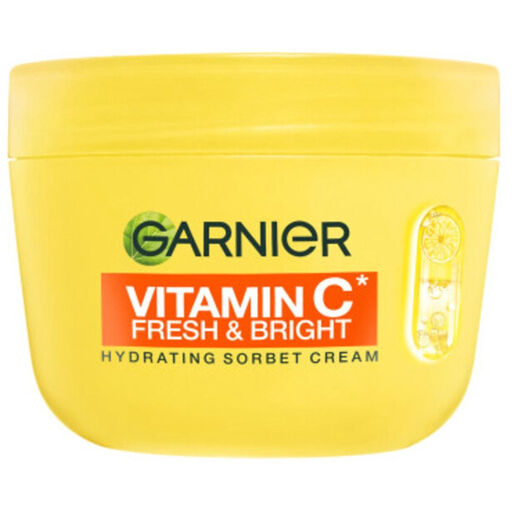
Why it suits this profile: Its sorbet-like texture and 50 ml size make this an accessible choice if you’re looking for a vitamin C cream for everyday use.
The ingredients list includes glycerine, niacinamide, ascorbyl glucoside and salicylic acid. This means you can assess the formula based on its ingredients, rather than relying on the term vitamin C alone.
50 ml; contains a vitamin C derivative and salicylic acid. Use sun protection during the day, as advised in the safety information.
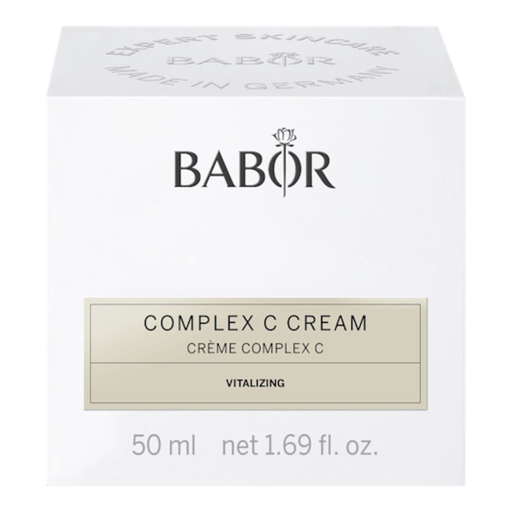
Why it suits this profile: This richer 24-hour moisturiser is designed for those looking for a fuller cream to use morning and evening.
The product information describes the formula as moisturising and lists glycerine, panthenol, vitamin E and retinyl palmitate, among other ingredients. Check the full packaging and instructions for use before buying.
50 ml; suitable for all skin types according to the product information; designed for the face and everyday use.
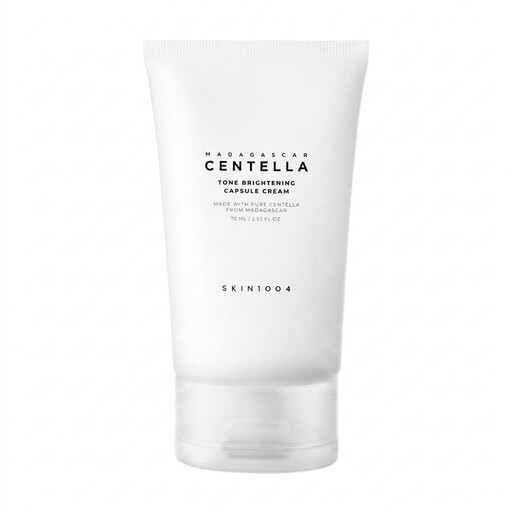
Why it suits this profile: This Korean face cream has a light gel texture and focuses on hydration and a more even-looking complexion.
The formula and texture are clearly described. The product information lists centella asiatica, niacinamide and tranexamic acid, as well as a dermatologically tested, non-comedogenic formula.
75 ml; gel texture; according to the product information, alcohol-free, fragrance-free, vegan and suitable for different skin types.
We’ve put together a full, up-to-date list of products that meet these strict selection criteria and current European safety regulations.
It depends on the product instructions and your skincare routine. Many formulas are designed to be used once or twice a day on cleansed skin. During the day, apply a sun protection product after your skincare if the packaging recommends it, especially when using formulas with acids or certain vitamin C ingredients.
Check the expiry date and PAO symbol on the packaging. Keep the cream tightly closed, in a dry place and out of direct sunlight. If its smell, colour or texture changes significantly, stop using the product.
Look for a short, straightforward ingredients list and avoid anything you know you react to. A cream for sensitive skin may be fragrance-free, but that doesn’t automatically mean irritation is impossible. If you have acne-prone skin, choose a light formula and check whether the product information includes a non-comedogenic claim. If skin problems persist, it’s better to ask a doctor or dermatologist for advice than to keep trying new products.
