
Vandaag of morgen in huis

Kwaliteit gegarandeerd

Welkomstaanbiedingen ontgrendelen: GRATIS bezorging | Tot 80% korting | Gratis 30 dagen JoyPlus-proefperiode
Download de app
A new face cream may seem easy to choose, but packaging often promises more than you can establish from the ingredients alone. A day cream with “glow”, an anti-ageing cream with a long ingredients list or a Korean skincare cream with eye-catching claims is not automatically right for your skin.
The right choice starts with three questions: what is your skin type, which ingredients suit it and when do you want to use the cream?
Hyaluronic acid, retinol, vitamin C and peptides are well-known ingredients, but their presence does not guarantee a particular result. Their effectiveness depends on the overall formula, concentration, stability and how your skin reacts. A brand may claim certain effects based on its own research, but do not treat such claims as established fact.
That is why you should check the complete INCI ingredients list. Ingredients are generally listed in descending order up to a certain concentration threshold. For example, a product described as a “hyaluronic acid cream” may primarily contain a moisturising base, with hyaluronic acid appearing further down the list.
A rich cream for dry skin can feel soothing when your skin feels tight, but may feel heavy on oily or blemish-prone skin. Conversely, a lightweight gel cream may not provide enough comfort for very dry skin.
Also look out for perfume, alcohol denat. and essential oils. These ingredients are not necessarily problematic for everyone, but may be less suitable for sensitive skin. Test a new cream on a small area of skin first and stop using it if irritation persists.
An anti-wrinkle cream or firming cream can leave your skin feeling cared for and hydrated. That does not mean fine lines or wrinkles will disappear permanently. With retinol, acids and some vitamin C formulas, daily sun protection is particularly important. During the day, choose a suitable broad-spectrum sun cream.
A hydrating face cream often contains glycerine, betaine, panthenol or hyaluronic acid. Ceramides, cholesterol and fatty acids are relevant ingredients for supporting the skin barrier. A cream with ceramides is particularly worth considering when your skin feels dry or tight.
With a retinol cream, it is important to introduce it gradually. Start by using it a few evenings a week, do not immediately combine it with several exfoliating acids, and use sun protection during the day. A vitamin C cream may work well in the morning, but check the formula and store the product according to the instructions on the packaging.
A day cream can be lightweight and suitable as a base under make-up. A night cream is often richer and designed to be the final step in your evening routine. Check whether a product contains SPF; an ordinary face cream without a clear SPF indication is not a substitute for sun cream.
A pump bottle limits contact with air and fingers. With a jar, hygienic use is important: take the cream out with clean hands or a spatula. Always check the shelf life and the information on the current packaging, as ingredients may vary by batch or market.
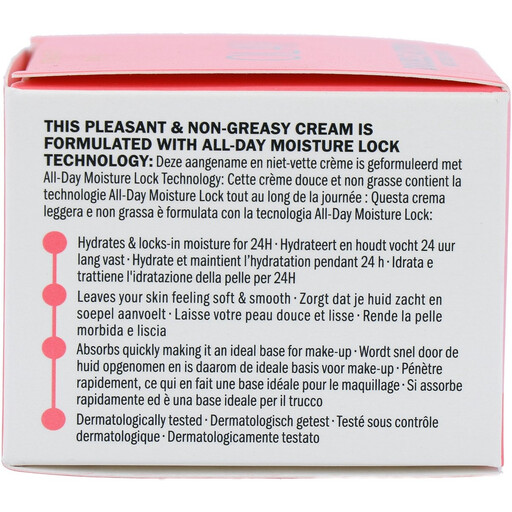
Why it suits this profile: According to the product description, the lightweight formula is intended for normal to dry skin and can also be used as a base under make-up.
The product information mentions a lightweight texture, quick absorption and use as a primer. This makes its function clearer than a general glow claim.
50 ml, intended for normal to dry skin, dermatologically tested according to the product description, and suitable for use under make-up.
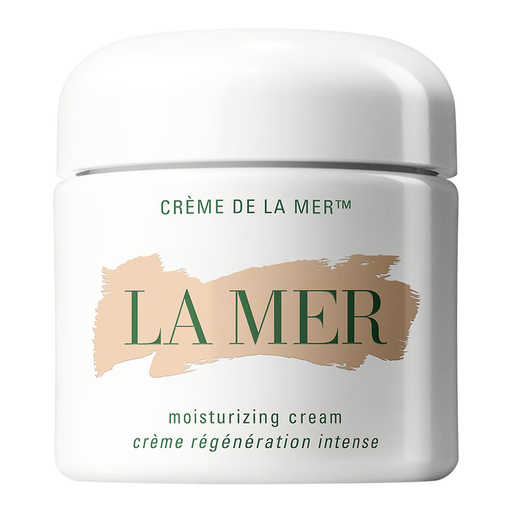
Why it suits this profile: The rich texture and 100 ml size suit users looking for an intensive skincare experience for dry skin.
The product description specifies dry skin, face and neck, and recommends using a small amount. Do check the ingredients, however, as the formula contains, among other things, perfumed plant oils and lanolin alcohol.
100 ml, rich cream, intended for dry skin and suitable for morning and evening use according to the product information.
We have put together a complete, up-to-date list of products that fully meet these strict selection criteria and the applicable European safety regulations.
Usually, once in the morning and once in the evening after cleansing is sufficient. Always follow the exact instructions on the packaging. Apply a day cream before sun cream and use a night cream as the final step in your evening routine.
Check the open-jar symbol, expiry date and batch information on the packaging. A product may change more quickly if you store it somewhere warm, damp or in direct sunlight. Close the packaging securely after use and look out for any changes in smell, colour or texture.
No. The price does not directly indicate whether a product is suitable for your skin. Compare the contents, texture, ingredients, directions for use and packaging. An affordable day cream may be sufficient for daily hydration, while a specialist retinol cream or rich cream for dry skin has a different purpose.
