
Vandaag of morgen in huis

Kwaliteit gegarandeerd

Welkomstaanbiedingen ontgrendelen: GRATIS bezorging | Tot 80% korting | Gratis 30 dagen JoyPlus-proefperiode
Download de app
Buying a new face cream seems simple, until you end up at home with a product that feels too greasy, pills under make-up or leaves your skin feeling tight. Marketing terms such as “intensive hydration”, “soothing” and “for all skin types” also do not always explain how a cream fits into your routine.
With this practical guide, you can assess the formula, your skin type and when you plan to use it. This allows you to compare a hydrating face cream, gel cream or skin-barrier cream based on verifiable product information rather than promises alone.
A thick cream can feel comfortable on dry skin, but the same formula may feel heavy on oily or combination skin. A facial gel cream often has a lighter texture and can be more practical during the day, particularly under sun cream or make-up.
Pay attention to the consistency: gel, gel cream, lotion or rich cream. Also check the recommended skin types and the size. A 200 ml jar intended for both face and body offers a different experience from a compact 30 ml face cream.
A product may be described as suitable for sensitive skin, but that does not mean every user will have the same experience. Check the current INCI list on the packaging and pay particular attention to fragrance, essential oils, alcohol and any ingredients you have previously reacted to.
If you are specifically looking for a fragrance-free face cream, for example, look for the wording “fragrance-free”. With products containing fragrance or essential oils, it is wise to be extra cautious and test a small amount on a limited area of skin first.
Body lotion is generally designed for larger areas of skin and is not automatically a suitable moisturiser for the face. According to the product information, MUJI Sensitive Skin Body Lotion is intended for the body. Vaseline Intensive Care Aloe Soothe is also a body lotion.
That does not make these products unsuitable for their intended purpose, but they are not automatically right for someone looking for a non-comedogenic face cream or a dedicated facial formula.
A good moisturiser often combines several types of ingredients:
The right balance depends on your skin type. A cream for dry skin can be richer, while oily or combination skin often responds better to a lightweight gel cream.
If you are looking for a skin-barrier cream, ceramides, cholesterol, fatty acids, panthenol and squalane are relevant ingredients to compare. The presence of an ingredient does not guarantee a particular result, but it does provide insight into how the formula is put together.
For example, The Ceramide Skin Barrier Moisturizer lists several ceramides, hyaluronic acid, panthenol and squalane in its ingredients. ANUA 3 Ceramide Panthenol Moisture Barrier Cream also lists ceramides, panthenol, glycerine and centella asiatica extract.
“Dermatologically tested”, “hypoallergenic” and “non-comedogenic” are useful product descriptions, but they do not guarantee that a product will work without problems for everyone. According to the brand’s own research or test information, such claims may be based on a particular testing method. Therefore, also check the warnings, the full ingredients list and the instructions for use.
If you experience irritation, redness, swelling or a burning sensation, stop using the product. Do not apply face cream to damaged skin when the packaging advises against it, and avoid contact with the eyes.
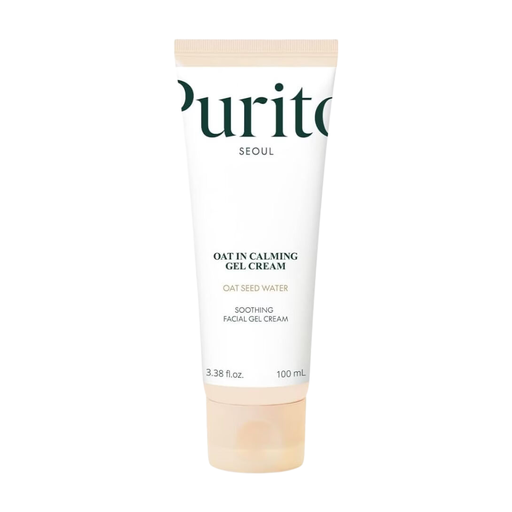
Why it suits this profile: This lightweight 100 ml gel cream is intended for daily use in the morning and evening. According to the product description, the formula contains 77% oat seed water, glycerine, panthenol, squalane and beta-glucan.
The gel texture reduces the chance of a heavy or greasy feel. However, always check the current ingredients list and test the cream on a small area of skin first.
100 ml contents; lightweight gel cream; contains panthenol, squalane and beta-glucan; suitable for daily use.

Why it suits this profile: According to the product information, this gel cream is alcohol-free, fragrance-free and non-comedogenic. The 30 ml size suits anyone looking for a compact face cream for daily use.
The product details make the texture and exclusions clearer than a general claim about “intensive hydration”. The manufacturer states that it can be used as a cream, intensive treatment or mask.
Gel-based; 30 ml; fragrance-free; alcohol-free; non-comedogenic according to the product information.

Why it suits this profile: The ingredients list contains several ceramides, hyaluronic acid, panthenol, cholesterol, phytosphingosine and squalane. This makes the formula interesting for anyone specifically comparing skin-barrier creams.
You can assess the formula based on specific details rather than relying solely on the term “barrier”. According to the product information, a patch test is recommended, particularly for sensitive skin.
80 ml; several ceramides; hyaluronic acid; panthenol; the product description states that the formula is non-comedogenic.
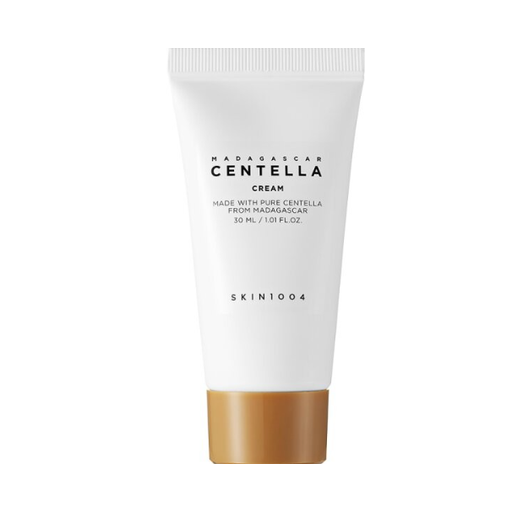
Why it suits this profile: According to the product information, this 30 ml face cream contains centella asiatica, panthenol and TECA. The description refers to a lightweight formula for normal and sensitive skin.
The choice is based on skin type, texture and the listed ingredients. Before buying, check that the current packaging matches the online product information.
30 ml; centella asiatica; panthenol; lightweight, fast-absorbing formula according to the product description.
We have put together a complete, up-to-date list of products that fully meet these strict selection criteria and the applicable European safety regulations.
If you have dry skin, you can use a richer cream for dry skin, while oily or combination skin often benefits from a lightweight moisturiser. A soothing face cream is not a substitute for advice from a doctor or dermatologist if you have persistent concerns.
Most moisturisers are intended for use in the morning and evening, but always follow the instructions on the packaging. Start with a small amount. Applying too thick a layer can feel sticky or pill under make-up.
Look for a short, straightforward ingredients list and check whether the product is fragrance-free if you prefer to avoid fragrance. Ceramides, glycerine and panthenol are ingredients you can consider when comparing products. Test a new cream on a small area of skin first. Even a product labelled hypoallergenic can cause a reaction in some individuals.
The shelf life is stated on the packaging, for example as a use-by date or a period after opening. Store the cream according to the instructions, close the packaging properly and use clean hands. A change in smell, colour or texture is a reason to stop using the product.
