
Vandaag of morgen in huis

Kwaliteit gegarandeerd

Welkomstaanbiedingen ontgrendelen: GRATIS bezorging | Tot 80% korting | Gratis 30 dagen JoyPlus-proefperiode
Download de app
Buying a new face cream seems simple enough – until you have to choose between a gel, a rich cream, a day cream, a night cream or a Korean skincare cream. Marketing copy often promises long-lasting hydration, firmer skin or a more even complexion. Yet not every formula suits your skin or your daily routine.
Pay particular attention to your skin type, ingredients, texture and when you’ll use it. That way, you’ll avoid buying an expensive pot that feels too greasy, stings, or ends up sitting unused in your bathroom cabinet after a few weeks.
A product packed with active ingredients isn’t automatically right for your skin. A hyaluronic acid cream, for example, can help lock moisture into the skin’s surface, but dry skin often also needs a nourishing cream with oils, butters or lipids.
So don’t just look at one popular ingredient. Check the full formula and watch out for potential fragrances, alcohol or exfoliating acids if you have sensitive skin.
Some day creams contain an SPF, such as Estée Lauder DayWear SPF 15 or L’Oréal Revitalift SPF 30. The stated SPF is a product specification, but the actual protection also depends on how much you apply and how often you reapply. A cream with SPF doesn’t automatically replace a sun product for prolonged outdoor exposure.
If you’re mainly looking for a hydrating face cream, you can use a formula without SPF and add a separate sunscreen during the day.
A face cream for dry skin often contains more emollients and can therefore feel heavy on oilier skin. A gel-cream or light lotion is usually more practical in that case. Apply a small amount and assess after a few minutes whether your skin feels comfortable without a shiny layer.
For daily hydration, glycerine, hyaluronic acid and panthenol are commonly used ingredients. Each has a different function within a formula. Glycerine and hyaluronic acid are typically used as moisture-binding components. Oils, shea butter and squalane give a richer skin feel. Ceramide NP and similar lipids are often found in a barrier-repairing cream.
A formula with several of these groups can be interesting for a tight or dry skin. However, skin reactions are personal. Test a new product on a small area of skin first and follow the instructions on the packaging.
Terms like “anti-ageing”, “barrier repair” and “soothing” describe a positioning or product feature, but they are no guarantee of the same result for everyone. According to the brands’ own product information, certain formulas are dermatologically tested, vegan or non-comedogenic. Check the current packaging, ingredient list and warnings before you buy, because information can change per batch or market.

Why this fits the profile: The 30 ml size is handy if you want to try a gel-cream first or are often on the go. According to the product information, the oil-free texture is suitable for dry, combination and oily skin.
The lightweight gel texture reduces the chance of a heavy feel. According to the product description, the formula is fragrance-free, alcohol-free and non-comedogenic.
30 ml; gel-cream; hyaluronic acid complex; fragrance-free according to the product information.
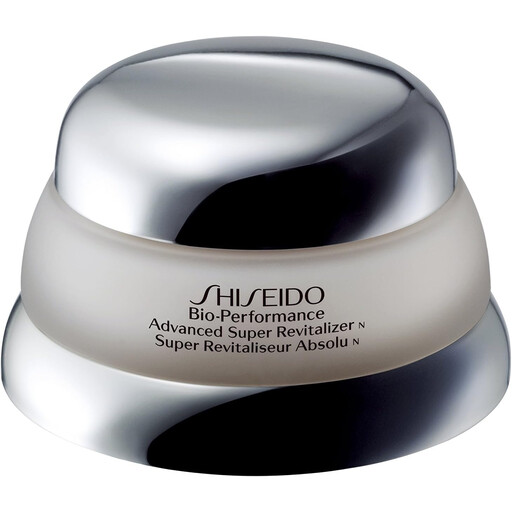
Why this fits the profile: This 50 ml face cream is intended for those looking for a more luxurious cream and who are willing to carefully compare the product information, texture and ingredients.
The choice is based on the official product type and size, not on an unverifiable promise of results. Check the current packaging for the full ingredient list.
50 ml; luxury product positioning; suitable for comparison within a comprehensive skincare routine.
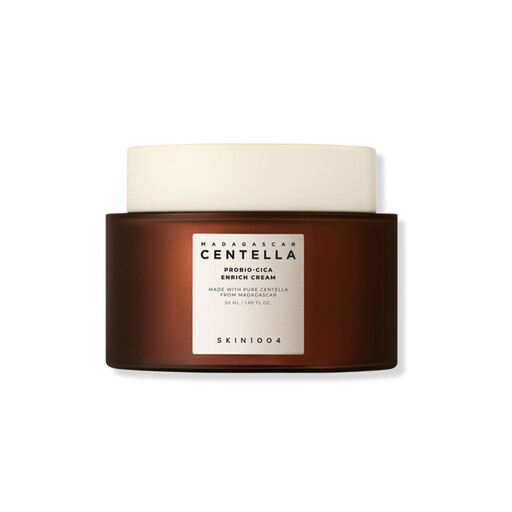
Why this fits the profile: According to the product description, this Korean skincare cream targets dry and sensitive skin. The richer texture suits an evening routine or when your skin needs extra comfort.
The formula lists, among others, glycerine, niacinamide, Centella Asiatica, shea butter and Ceramide NP. That gives you more information than just the general claim ‘for all skin types’.
50 ml; Ceramide NP; Centella Asiatica; according to the product information, vegan and dermatologically tested.
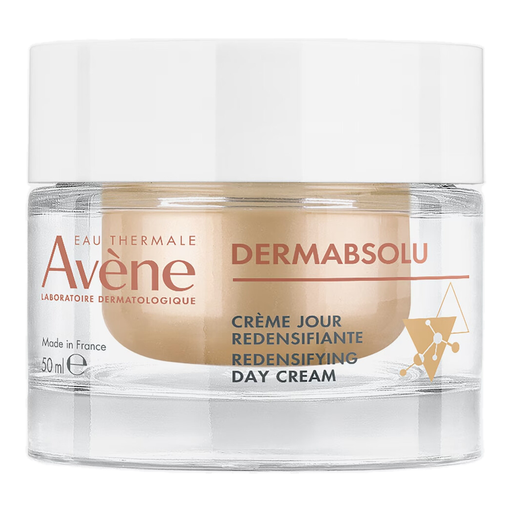
Why this fits the profile: According to the product data, this day cream is developed for mature skin and can be applied to the face, neck and décolletage.
The target audience and application are clearly specified. If you’re looking for a cream for mature skin, you don’t have to guess as much based on the packaging alone.
50 ml; day cream; according to the ingredient list, contains shea butter, glycerine and bakuchiol among others.
We’ve put together a full, up-to-date list of products that fully meet these strict selection criteria and comply with current European safety regulations.
Choose a formula with humectants such as glycerine or hyaluronic acid and emollient ingredients like shea butter, squalane or plant oils. A face cream for dry skin can be richer, especially in the evening. Apply the cream to slightly damp, cleansed skin for a comfortable feel.
Yes, as long as the texture and ingredients fit your routine. A day cream can be pleasant under make-up, while a night cream is often richer. If you use a product with SPF during the day, check whether the stated protection matches your outdoor activities.
Follow the expiry date and the period-after-opening symbol on the packaging. Store the pot or tube in a cool, dry place away from direct sunlight. Do not use a product that smells different, has changed colour or developed an unusual texture. If you experience redness, itching or irritation, stop using it and consult a doctor or pharmacist if symptoms persist.
