
Vandaag of morgen in huis

Kwaliteit gegarandeerd

Welkomstaanbiedingen ontgrendelen: GRATIS bezorging | Tot 80% korting | Gratis 30 dagen JoyPlus-proefperiode
Download de app
Buying a face cream seems simple, until you have to choose between a hydrating face cream, an anti-ageing cream, a day cream or a night cream. Marketing copy often promises firmer, more even-looking or more radiant skin, but the formula, texture and directions for use determine whether a product will work for you in practice.
Use this guide to compare face creams by skin type, ingredients, use and packaging. That way, you can avoid paying for an appealing promise that doesn’t fit into your daily routine.
Vitamin C, niacinamide, hyaluronic acid and ceramides often feature prominently on the packaging. That doesn’t automatically mean that every vitamin C cream or niacinamide cream is right for your skin. Check the full ingredients list, as well as fragrance, texture and other skincare ingredients.
For example, a cream with hyaluronic acid may help the skin’s surface retain moisture, while a ceramide cream may be worth considering if you want to focus on your skin barrier. The formula as a whole matters more than any one standout ingredient.
Some products, such as OLAY Vitamin C Face Moisturiser, contain SPF 30. According to the product description, this cream is intended for daily use and protection against UV rays. The level of protection you actually get depends, among other things, on how much you apply and whether you reapply it.
For prolonged sun exposure, a separate sun protection product is often more practical. Always check the SPF rating and directions for use on the packaging.
A cream for dry skin doesn’t always have to feel heavy or greasy. Conversely, a gel cream may not feel comfortable enough for very dry skin. Look out for terms such as gel, silky, rich texture and non-greasy. A fast-absorbing cream is often more convenient to wear under make-up during the day; a rich night cream may be a better fit for your evening routine.
A vitamin C cream may contain different forms of vitamin C. For example, OLAY uses 3-O-Ethyl Ascorbic Acid, while other formulas use ascorbic acid or vitamin C derivatives. Medicube lists several forms of vitamin C and niacinamide. According to the product information, the formula is designed to promote a more even-looking complexion, but this isn’t guaranteed to suit every skin type.
It’s also worth checking the rest of the ingredients in a niacinamide cream. Some people may prefer to avoid fragrance. Dr.Jart+ VITAL HYDRA SOLUTION is listed as fragrance-free and paraben-free, but the accompanying ingredients list also includes “fragrance”. Always check the latest packaging and product information before ordering.
A 50 ml jar and a 40 ml tube aren’t directly comparable. A tube may be more hygienic and easier to take with you; a jar requires careful use with clean hands or a spatula. Also check:
For example, NIVEA Repair & Care Urea Body Cream is a body product. Despite its hydrating ingredients, it isn’t automatically a substitute for a face cream. The product’s purpose and intended area of use matter.
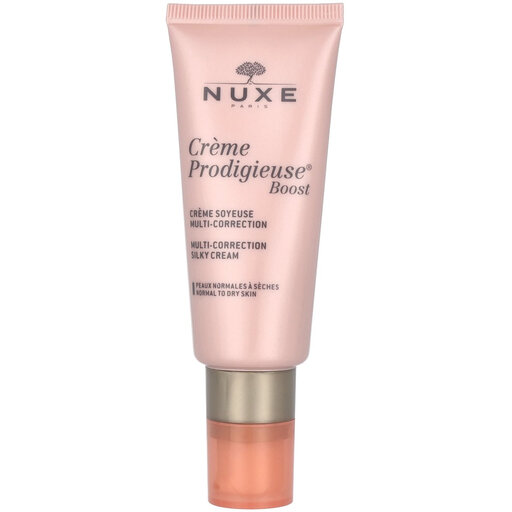
Why it suits this profile: Its light, silky texture is intended for daily use in the morning and/or evening. This makes it a straightforward choice for anyone looking for their first moisturiser.
The product information describes a light texture and says it is suitable for all skin types. Still, check that the fragrance and texture work for your skin.
40 ml, tube packaging, described as fast-absorbing and suitable for morning and evening use according to the product information.
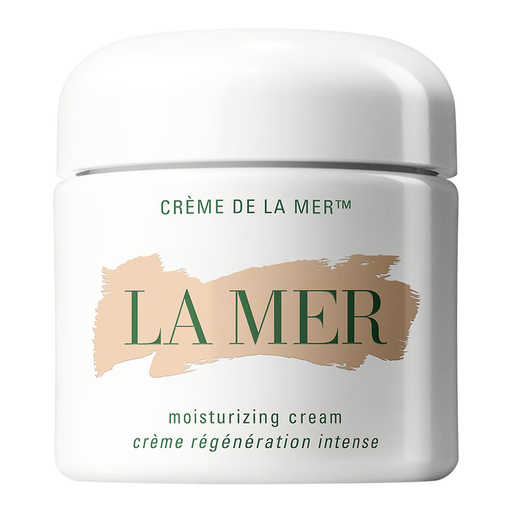
Why it suits this profile: According to the product description, this rich cream is intended for dry skin and can be used in the morning and evening.
The intended use and rich texture are clearly described. This makes it easier to judge in advance whether it suits dry skin, rather than expecting a light day cream.
100 ml, a rich cream formula and a spatula, according to the product details. The formula contains ingredients including glycerine and mineral oil.
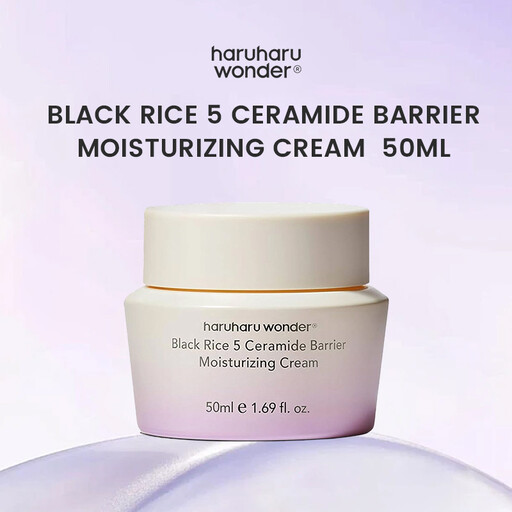
Why it suits this profile: This Korean face cream is designed for daily use and contains ceramides, glycerine and allantoin. It’s a good fit if your main priorities are moisture retention and skin barrier care.
The product information states that the formula is fragrance-free and contains a ceramide complex. If you have allergies, check the latest ingredients list anyway.
50 ml, ceramides in the ingredients list and suitable for use in the morning and/or evening.
We’ve put together a complete, up-to-date list of products that meet these strict selection criteria and current European safety regulations.
Most face creams can be used once or twice a day on cleansed skin. Always follow the label. Apply a day cream before make-up, and use the recommended amount of night cream. If you’re using an active ingredient such as retinol, acids or concentrated vitamin C, it’s best to introduce it gradually.
Check the expiry date and the period-after-opening symbol on the packaging. Keep the cream closed, in a cool place and away from direct sunlight. If its smell, colour or texture changes noticeably, stop using it. Repeated contact with fingers can contaminate a jar more quickly than a tube.
Choose a formula with as few unnecessary fragrances as possible, and test a small amount first. Products described as suitable for sensitive skin may not work for everyone: stop using the product if you experience redness, itching, a burning sensation or swelling. If symptoms persist, consult a doctor or pharmacist.
