
Vandaag of morgen in huis

Kwaliteit gegarandeerd

Welkomstaanbiedingen ontgrendelen: GRATIS bezorging | Tot 80% korting | Gratis 30 dagen JoyPlus-proefperiode
Download de app
Buying a new face cream sounds simple, until you have to choose between a K-beauty face cream, a classic facial moisturiser, a gel cream or a rich cream for dry skin. Marketing terms such as “barrier repair”, “intensive hydration” and “anti-ageing” may sound appealing, but they do not always tell you enough about the formula.
With this practical guide, you can assess ingredients, texture, skin type and usage. That way, you can avoid buying a cream that feels too heavy, leaves your skin uncomfortable or ends up unused in the bathroom.
More ingredients do not automatically mean that a product will suit your skin better. A simple moisturiser may be enough for everyday hydration, while a more elaborate formula may contain more potential irritants. Always check the full ingredients list, especially when you are looking for a cream for sensitive skin.
Hyaluronic acid can make a formula appealing to anyone looking for a hyaluronic acid cream, but glycerine, oils, butters, panthenol and ceramides also influence the texture and how the product feels on your skin. Consider the combination of ingredients rather than focusing on just one prominent ingredient on the front of the packaging.
A cream for dry skin is often richer because it contains butters, oils or occlusive ingredients. This can feel comforting when your skin feels tight, but may be less suitable if you have oily or combination skin. For daytime use under make-up, a face gel cream is often a better choice than a thick night cream.
Hydration is about how moisturised your skin feels. Ingredients such as glycerine, betaine, panthenol and hyaluronic acid are often found in hydrating face creams. A skin barrier cream may also contain ceramides, cholesterol, fatty acids or nourishing oils. These ingredients can help your skin feel more comfortable and reduce moisture loss from the skin’s surface.
Product claims about performance are not a guarantee for every skin type. When a brand makes a specific claim, it is based on the brand’s own product information or research. So, make sure you also check the ingredients, directions for use and warnings.
“Fragrance-free” does not mean that a product is suitable for everyone. Also check for essential oils, plant extracts and known fragrance allergens. For example, Dear, Klairs’ product information lists essential oils of lemon, lavender, orange, geranium, ylang ylang and eucalyptus. This is important information for people who prefer to avoid perfume or fragrance ingredients.
When trying a new Korean face cream, first carry out a small test on a limited area of skin. Stop using it if you experience itching, swelling, a burning sensation or any other irritation. Only use a cosmetic product as directed on the packaging.

Why it suits this profile: The lightweight gel texture is easy to use as part of a morning and evening routine. According to the product description, the cream is designed for oily, combination and dry skin.
The gel texture helps you avoid immediately choosing a heavy cream when you are mainly looking for lightweight hydration. However, check the full ingredients list if you are sensitive to plant extracts.
100 ml, gel-like texture, contains 44% red bean extract and a peptide complex according to the product information.

Why it suits this profile: This facial moisturiser combines several forms of hyaluronic acid with argan and apricot oils. The product description refers to a gel-cream texture for dry, normal and mature skin.
The texture shows that a formula does not have to feel heavy to be nourishing. If you have oily skin, check whether the oils work well with your routine.
100 ml, five stated forms of hyaluronic acid, alcohol-free according to the product information, and contains ceramide NP.

Why it suits this profile: The ingredients list contains several ceramides, cholesterol, squalane, panthenol and different forms of hyaluronic acid. This makes the skin barrier cream an interesting option for anyone specifically looking for barrier-supporting ingredients.
The formula reveals more than just the claim on the packaging. You can check the relevant lipids and hydrating ingredients directly in the ingredients list.
80 ml, ceramides NP, NS, AP, AS and EOP listed, along with cholesterol, squalane and hyaluronic acid.
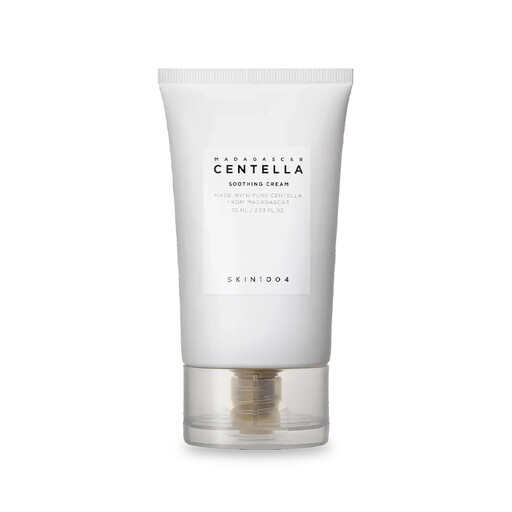
Why it suits this profile: The refreshing, non-greasy texture suits anyone looking for a soothing face cream without a heavy layer. According to the product description, the formula contains centella asiatica extract and ceramide.
The described lightweight finish helps you avoid choosing a rich cream for skin that becomes shiny easily. If irritation occurs, always check the current packaging and stop using the product if you experience an unwanted reaction.
75 ml, refreshing texture, centella asiatica and ceramide listed in the product description.
We have put together a complete, up-to-date list of products that fully meet these strict selection criteria and the applicable European safety regulations.
If you are looking for an anti-ageing cream, pay particular attention to the difference between a cosmetic claim and a guaranteed result. According to the product description, The Retinol 0.1 Cream contains 0.1% retinol and is intended to improve the appearance of fine lines and renew the skin’s surface. Retinol may feel intense for some users. Introduce it gradually, follow the product instructions and use a sun protection product during the day.
A gentler alternative for a nourishing routine could be a cream containing niacinamide, panthenol, ceramides or antioxidant-rich plant extracts. The same advice applies here: check the current ingredients list and do not choose a product solely because it is described as “Korean” or “clean beauty”.
You will usually apply face cream after cleansing and using any toner or serum. Many formulas are designed for morning and evening use, but always follow the directions on the packaging. During the day, sun protection should be the final step in your routine.
Check the packaging for the expiry date or the period after opening. If it is shown by an open jar symbol and a number of months, use the product within that period. Store the cream in a cool, dry place away from direct sunlight and close the packaging securely.
Choose a formula based on the full ingredients list and look out for perfume, essential oils and known allergens. A fragrance-free cream may be a practical choice, but no formula is guaranteed to suit everyone. Test a new product on a small area of skin first and stop using it if irritation occurs.
