
Vandaag of morgen in huis

Kwaliteit gegarandeerd

Welkomstaanbiedingen ontgrendelen: GRATIS bezorging | Tot 80% korting | Gratis 30 dagen JoyPlus-proefperiode
Download de app
Choosing a face cream seems simple until you have to decide between a hydrating gel cream, a rich barrier cream, a Korean face cream or a formula for sensitive skin. Marketing terms such as “deep hydration”, “pore refining” and “anti-ageing” don’t always tell you what you need for everyday use, either.
Use this practical guide to start by considering your skin type, texture preferences and ingredients. You can then compare products more confidently and avoid leaving an unused pot at the back of your bathroom cupboard.
Hyaluronic acid, collagen, centella asiatica and ceramides often feature prominently on the packaging. But it’s the full ingredients list that determines how a cream feels and who it may suit. So also look for glycerine, panthenol, oils, silicones, perfume and potential fragrance allergens.
A ceramide cream, for example, may suit dry skin. But a lightweight gel cream for the face may be more practical if your skin gets shiny quickly or you use several layers of skincare.
A formula may be described as suitable for all skin types, but your skin could still react to perfume, essential oils or certain plant extracts. If you have sensitive skin, a short, straightforward ingredients list is often easier to assess.
Claims such as hypoallergenic, dermatologically tested or non-comedogenic are product claims. Always check the packaging and instructions for use. Stop using the product if you experience redness, itching, a burning sensation or swelling.
A cream for dry skin often contains more emollient ingredients, oils or butters. This can feel comforting if your skin feels tight, but may feel heavy on oily or combination skin. On the other hand, a lightweight gel cream may not feel moisturising enough if your skin needs plenty of hydration and protection.
Ingredients are generally listed in descending order of concentration, although there are exceptions for small quantities. Glycerine, panthenol and hyaluronic acid help the skin retain moisture. Ceramides, cholesterol and fatty acids are a good fit for a routine focused on the skin barrier.
Centella asiatica, tea tree and camomile are often associated with soothing face creams. According to brands’ own product information, these ingredients may help skin feel more comfortable, but don’t treat such claims as evidence of a medical effect.
Don’t compare price alone; check the volume too. 50 ml, 60 ml, 75 ml and 100 ml aren’t directly comparable. Also check:
A vegan face cream tells you something about its ingredients or certification, but it doesn’t automatically mean the formula is suitable for sensitive skin.
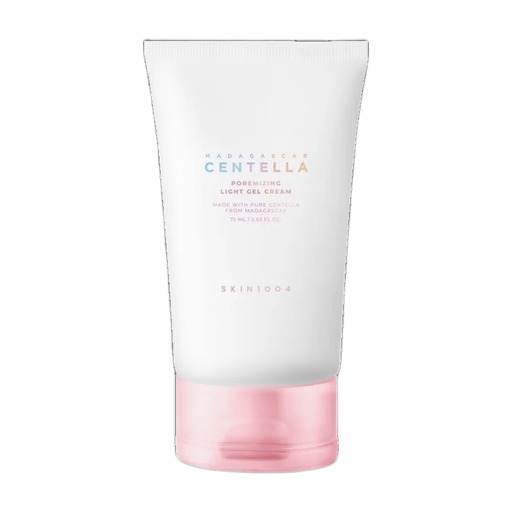
Why it suits this profile: Its lightweight gel texture and 75 ml size make it an accessible choice for everyday use, especially for normal, combination or oilier skin.
The ingredients list includes several humectants, including glycerine, panthenol and different forms of hyaluronic acid. The gel texture helps prevent a heavy feel.
75 ml, lightweight gel cream, centella asiatica, niacinamide and hyaluronic acid, according to the ingredients list.
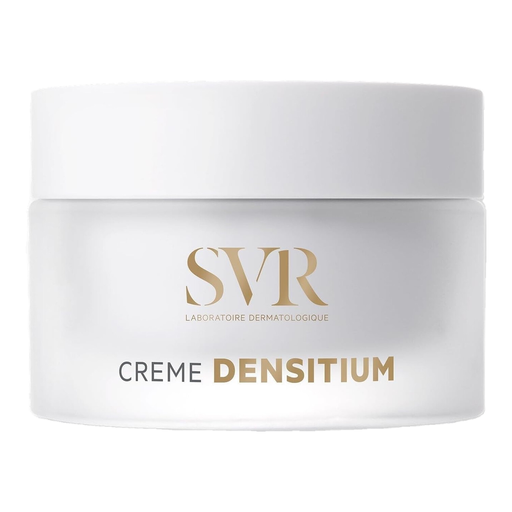
Why it suits this profile: According to the product information, this cream is designed for normal to dry skin and for caring for the face and neck. It has a richer, silky texture.
The intended users and texture are clearly described. This makes it easier to choose than a product with only a general anti-ageing claim.
50 ml, hyaluronic acid, glycerine, amino acids and a formula that, according to the product information, contains 95% ingredients of natural origin.
We’ve put together a complete, up-to-date list of products that meet these strict selection criteria and the applicable European safety requirements.
You’ll usually apply a moisturiser once or twice a day to clean skin. Use a small amount and spread it evenly over your face and, if you like, your neck. During the day, sun cream should be the final step in your skincare routine. Always follow the instructions on the packaging.
Check the expiry date, batch information and the period-after-opening symbol on the packaging. Store the cream in a cool, dry place, close the packaging securely and don’t use it if its smell, colour or texture has clearly changed.
Look for a simple formula without perfume or essential oils, and check the full INCI list. A cream for sensitive skin won’t necessarily suit everyone. Test a small amount first and stop using it if irritation occurs. If skin problems persist, it’s best to consult a doctor or pharmacist.
