
Vandaag of morgen in huis

Kwaliteit gegarandeerd

Welkomstaanbiedingen ontgrendelen: GRATIS bezorging | Tot 80% korting | Gratis 30 dagen JoyPlus-proefperiode
Download de app
Buying a new face cream might seem straightforward, until you have to choose between hydrating formulas, Korean skincare, anti-ageing products and creams for sensitive or blemish-prone skin. A high price tag or eye-catching packaging doesn't tell you much about whether it's right for your skin.
Instead, focus on the ingredients list, the texture and the intended purpose. Below, you'll discover which pitfalls are common, what specifications to check, and which popular choices suit different skin needs.
Words like "restorative", "rejuvenating" or "brightening" sound clear, but they can mean different things. According to Nuxe's own research, for example, 95% of women surveyed reported a noticeable difference with Crème Fraîche de Beauté. That's a brand claim from a specific study, not a guarantee for every user.
So, look at what's actually in the formula. Glycerine, hyaluronic acid and squalane are typically used for a more hydrated skin feel. Ceramides appear in formulas aimed at the skin barrier. Niacinamide is often found in products for a more even-looking complexion and supporting moisture balance.
A thick cream isn't automatically better for dry skin. If you wear make-up during the day or have combination skin, you might be better off with a light facial moisturiser. For dry skin or winter use, a formula with shea butter, oils or silicones can feel more comfortable.
Also, note the difference between a cream for the whole face and a spot cream. A product like AC Collection Ultimate Spot Cream is designed for targeted use, not as a daily moisturiser all over your face.
"Vegan", "natural" or "Korean" doesn't automatically mean a formula is gentle for everyone. Essential oils and perfume can be less suitable for some users. Dear, Klairs Rich Moist Soothing Cream, for example, contains several essential oils, including lemon, lavender and eucalyptus oil. If you react quickly to fragrances, always check the full ingredients list.
First, choose your skin goal, then look at the formula:
A 30 ml pot and an 80 ml tube aren't directly comparable on price. Divide the price by the volume to work out the value per millilitre. A pot is handy for a fixed routine, while a tube can mean less direct contact with the product.
Also, check whether perfume or essential oils are listed. For sensitive skin, a simple, fragrance-free formula can be a practical starting point. When trying a new product, first do a small patch test on a limited area of skin, and stop if irritation persists.
Apply a moisturiser usually after cleansing and, if you use one, after a serum. If you're using several active ingredients, such as vitamin C, acids or retinoids, don't add them all at once. That way, you can better see which product causes a reaction.
A face cream doesn't replace sun protection. Use a separate product with SPF during the day if that fits your routine.
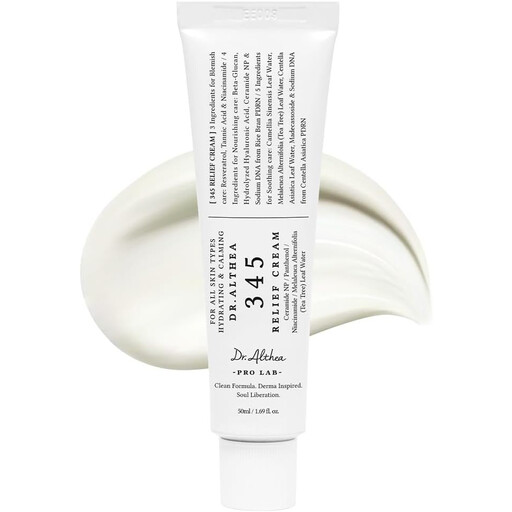
Why This Fits Their Persona: A practical Korean face cream for anyone wanting to combine hydration and care for blemish-prone skin in one routine.
The product description mentions niacinamide, tea tree leaf water, ceramide NP and hyaluronic acid. Do check whether this combination suits your skin.
50 ml; vegan certified according to the product information; free from artificial colourants, perfume and parabens according to the manufacturer.

Why This Fits Their Persona: Suitable for anyone looking for a skin barrier cream with a richer, more nourishing composition.
The ingredients list includes multiple ceramides, cholesterol, phytosphingosine and different forms of hyaluronic acid.
80 ml; according to the product information, hypoallergenic, non-comedogenic and tested by dermatologists and paediatricians.
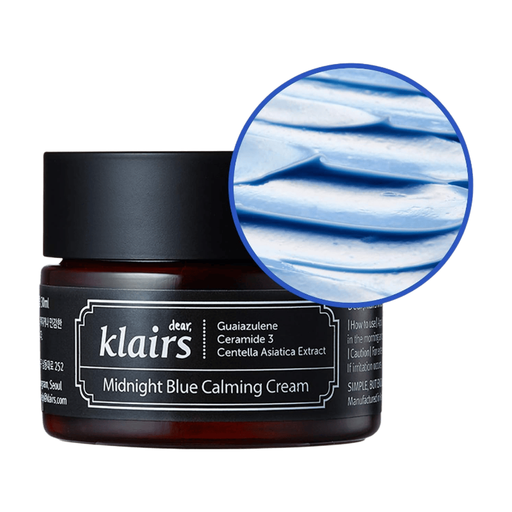
Why This Fits Their Persona: A compact night cream for anyone wanting to apply a soothing face cream to targeted areas.
The product description mentions a fragrance-free formula with guaiazulene, centella asiatica and ceramide NP. Check the current packaging.
30 g; intended as the last step in your evening routine; light gel-like texture according to the product information.
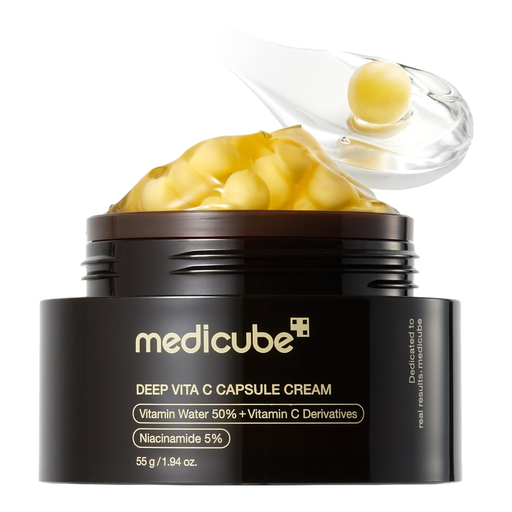
Why This Fits Their Persona: For users who want to combine niacinamide and vitamin C derivatives in a two-part cream.
The packaging contains two components that you mix according to the product information. This lets you adjust the ratio to your desired texture.
55 g; according to the product description, contains 5% niacinamide and encapsulated vitamin C; the formula contains perfume.
Browse a current selection of restorative creams and compare ingredients, volume and intended use before you order.
Start with a simple formula and check for perfume, essential oils and potential allergens. Ingredients like glycerine, panthenol and ceramides can fit into a caring routine, but every skin reacts differently. Test a new product on a small area first.
Follow the expiry date and the period-after-opening symbol on the packaging. Store the cream in a cool, dry place away from direct sunlight. If the scent, colour or texture changes noticeably, stop using the product.
No, a serum isn't essential. A face cream can be part of a daily routine on its own. Only add a serum when you have a specific goal, such as extra hydration or care for an uneven complexion. Introduce new products one at a time.
