
Vandaag of morgen in huis

Kwaliteit gegarandeerd

Welkomstaanbiedingen ontgrendelen: GRATIS bezorging | Tot 80% korting | Gratis 30 dagen JoyPlus-proefperiode
Download de app
Choosing a new face cream might seem straightforward, until you have to compare skin types, ingredients, texture and when to use it. A rich cream can feel lovely on dry skin, but too heavy on combination skin. A light gel absorbs quickly, but may not offer enough comfort when your skin feels tight.
Terms like “intensive hydration”, “glow” and “anti-ageing” don’t always tell you enough either. If you only look at the front of the packaging, you can end up paying for a fragrance, a jar or a promise that doesn’t suit your skin’s actual needs. With the points below, you can make a well-informed choice.
Words like “firming”, “restorative” or “anti-ageing” are often part of a product’s positioning. Don’t treat them as a guaranteed outcome. According to a brand’s own research or the product description, a cream might, for example, make skin feel smoother or improve its appearance. That doesn’t mean every user will experience the same effect.
So, first look at the ingredients list, the skin type the product is intended for, and the instructions for use.
A hydrating face cream can be a gel-cream, a lotion or a full cream. A rich formula with shea butter, oils or occlusive ingredients can be comforting for a cream for dry skin. For oily or combination skin, a lighter moisturiser may be more pleasant.
A day cream worn under make-up doesn’t need to have the same texture as a night cream. During the day, it’s usually best to choose a formula that absorbs quickly, and combine your routine with a separate sunscreen if the label recommends it.
“Suitable for all skin types” doesn’t automatically mean every formula will be kind to a cream for sensitive skin. Check for fragrance, essential oils, alcohol denat., acids and known allergens. Products with essential oils or fragrance ingredients may not be suitable for some people.
When trying a new formula, first test a small amount on a limited area of skin. Stop if you experience redness, irritation or an allergic reaction, and follow the safety information on the packaging.
For daily moisture comfort, you can look for:
An ingredient higher up on the ingredients list is generally present in a larger amount than one at the bottom. However, the list alone doesn’t tell you how effective a product is; the overall formula and your skin condition are also decisive.
Don’t just compare the price, but also the volume in millilitres or grams. A 100 ml pot might seem better value than a 50 ml tube, but a small amount per use can narrow the difference. Also check the expiry date and the period after opening on the packaging.
A pot requires clean hands or a spatula. A tube generally limits direct contact with the product. Store face cream in a cool, dry place away from direct sunlight, unless the packaging gives different instructions.
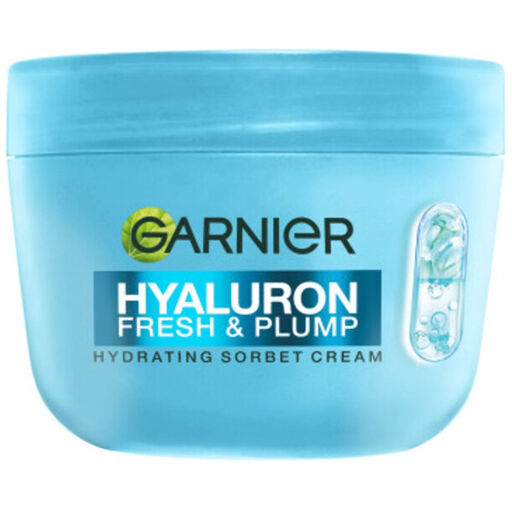
Why this suits the profile: The sorbet texture is practical for anyone looking for a light day cream and wanting to build a simple routine.
The ingredients list includes glycerin, niacinamide and sodium hyaluronate, among others. However, check for the presence of alcohol denat., fragrance and salicylic acid if your skin is sensitive.
85 ml volume; light sorbet cream; contains glycerin, niacinamide and sodium hyaluronate according to the product information.
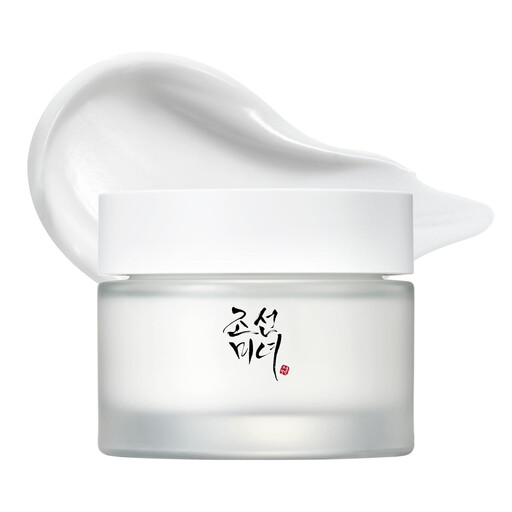
Why this suits the profile: Fans of Korean skincare will love a creamy face cream with a blend of rice extract, ginseng, niacinamide and honey extract.
The composition is visible in the product information, so you don’t have to rely solely on the term “glow”. According to the product details, the cream is fragrance-free.
50 ml; creamy formula; contains niacinamide, sodium hyaluronate and several plant extracts according to the ingredients list.
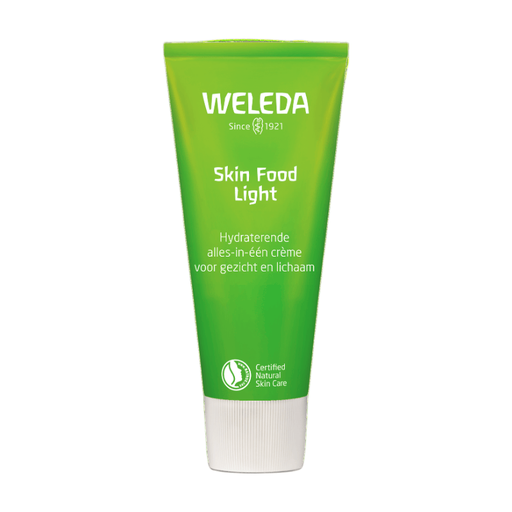
Why this suits the profile: A practical choice for anyone who wants one cream for both face and body and is looking for a fast-absorbing formula.
The product description mentions use on face and body and a light texture. According to the description, the fragrance contains lavender, orange and benzoin resin; check this if you have sensitivities.
75 ml; suitable for face and body according to the product information; contains plant extracts and, according to the description, carries the NATRUE label.
We’ve put together a full, up-to-date list of products that fully meet these strict selection criteria and comply with current European safety regulations.
You usually use a day cream in the morning and a night cream in the evening, after cleansing. The right amount depends on the formula. Start with a small amount and add a little more to dry areas if needed. Always follow the instructions on the packaging.
No. Compare the volume, ingredients, skin type, texture and frequency of use. An affordable cream can work well for a simple routine, while a more expensive formula may be particularly interesting if you’re looking for specific ingredients or a certain texture.
This varies by product. Check the open-jar symbol, the expiry date and any instructions on the packaging. Don’t use a cream that smells noticeably different, has changed colour or altered in consistency. If irritation occurs, stop using it immediately.
