
Vandaag of morgen in huis

Kwaliteit gegarandeerd

Welkomstaanbiedingen ontgrendelen: GRATIS bezorging | Tot 80% korting | Gratis 30 dagen JoyPlus-proefperiode
Download de app
Choosing a new face cream seems straightforward—until you have to decide between a hydrating formula, anti-ageing cream, retinol cream or Korean face cream. Marketing copy often promises smoother, firmer or more radiant-looking skin, but the most important information is usually on the label: ingredients, volume, frequency of use and warnings.
With this buying guide, you can compare popular choices for 2026 based on verifiable product specifications. This helps you avoid overpaying for a formula that does not suit your skin or daily routine.
A cream with retinol, vitamin C or hyaluronic acid may be appealing, but one ingredient alone does not automatically determine whether a product suits your skin. A hyaluronic acid cream can help retain moisture, while a ceramide cream is primarily chosen to support the skin barrier. The rest of the formula also determines how rich, lightweight, fragranced or suitable for daily use the cream is.
Therefore, review the complete ingredients list and take note of any substances that have caused a reaction in the past.
A face cream with SPF can be practical for everyday use, but always check the stated SPF, the amount you need to apply and whether the product is intended to function as sun protection. A day cream with SPF 30, such as the L’Oréal Paris Revitalift Anti-Wrinkle Day Cream SPF 30, combines skincare with a stated protection factor. This does not automatically mean it provides adequate protection during every type of prolonged sun exposure.
Terms such as anti-wrinkle cream, “lifting” and “firming” often refer to a product’s intended purpose or positioning. A brand’s own research or product description may mention certain visible effects, but such claims are not a guarantee for every user. Expectations depend on age, skin type, length of use and daily sun exposure.
For dry skin, a richer cream containing glycerin, shea butter, oils or barrier-supporting ingredients often feels more comfortable. A cream for sensitive skin should be assessed primarily for fragrance, essential oils and active acids. “Hypoallergenic” does not guarantee that nobody will react; a patch test is still advisable.
If you have normal or combination skin, a lightweight, fast-absorbing texture may feel more comfortable under makeup or SPF. Even a product described as suitable for all skin types should still be compared with your personal tolerance.
Do not compare price alone—also consider the amount. The range includes, for example, pack sizes of 20 ml, 40 g, 50 ml, 55 g, 60 ml and 100 ml. Check the expiry date, batch number and the symbol indicating the period after opening on the packaging. A jar may be less hygienic and practical than a tube when you use the product every day.
A face day cream is generally used in the morning. A face night cream may have a richer texture, but always check the official usage instructions. Introduce new active products gradually and stop using them if persistent irritation occurs.
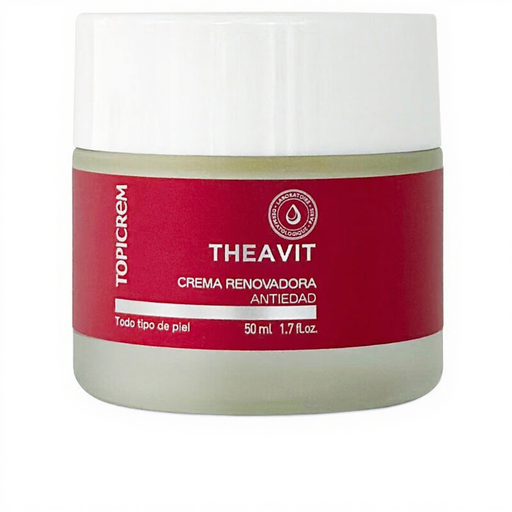
Why This Fits Their Persona: A 50 ml day cream for those looking for a streamlined routine and wanting to introduce glycolic acid into their skincare regimen.
The product information lists glycolic acid, a fragrance-free formula and use in the morning and evening. This lets you verify the active ingredient rather than focusing solely on “anti-ageing” claims.
50 ml volume; fragrance-free according to the product specifications; lightweight cream texture.
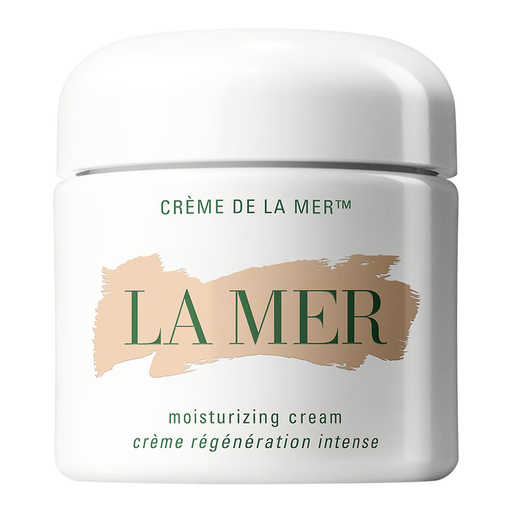
Why This Fits Their Persona: Designed for users with dry skin who prefer a rich cream and a larger 100 ml size.
The ingredients list includes glycerin, mineral oil, petrolatum and algae extract. Compare this rich base with your own preferences regarding texture and fragrance.
100 ml volume; intended for dry skin; comes with a spatula for application.
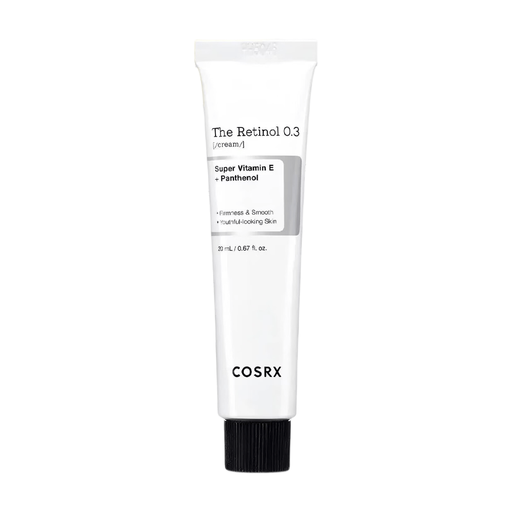
Why This Fits Their Persona: For those deliberately seeking a retinol cream and prepared to build up their evening routine gradually.
The product information states a retinol concentration of 0.3%. The instructions recommend introducing it gradually, performing a patch test and using SPF during the day.
0.3% retinol; 20 ml; according to the ingredients list, contains panthenol, adenosine and several forms of hyaluronic acid.
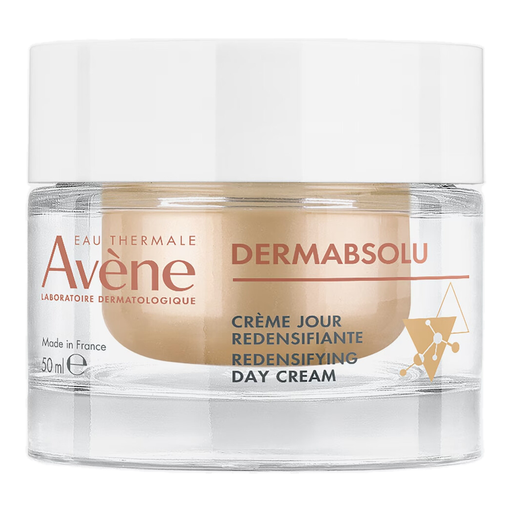
Why This Fits Their Persona: An option for those seeking a day cream for mature skin, with a richer texture and care for the face, neck and décolleté.
The formula lists, among other ingredients, glycerin, shea butter, jojoba oil, hyaluronic acid and 1% bakuchiol. According to Avène’s own product information, the product is intended for mature skin; this is not a guarantee of an individual result.
50 ml; intended for mature skin; suitable for use on the face, neck and décolleté.
Explore a current selection of face creams and compare ingredients, skin types, volume and intended uses before placing your order.
A hydrating face cream can generally be used every day after cleansing. For active ingredients such as retinol, AHA or BHA, follow the instructions on the packaging. When trying a new formula, start with a small amount and use it less frequently.
Not necessarily. A face day cream may be lightweight and may contain SPF, while a face night cream is often richer. Choose two products only if your skin or routine would benefit from the distinction. Pay particular attention to texture, ingredients and when the product is intended to be used.
That depends on the volume and the amount used per application. A 20 ml package will run out more quickly than a 100 ml jar. After opening, check the PAO symbol and store the cream in a cool, dry place away from direct sunlight. The current shelf-life information on the packaging takes precedence.
