
Vandaag of morgen in huis

Kwaliteit gegarandeerd

Welkomstaanbiedingen ontgrendelen: GRATIS bezorging | Tot 80% korting | Gratis 30 dagen JoyPlus-proefperiode
Download de app
A face cream may seem simple to choose, but products vary widely in texture, ingredients, size and intended use. A rich cream can feel comfortable on dry skin, but too heavy on oily skin. A light gel may feel comfortable during the day, but not nourishing enough at night.
So don’t focus only on phrases such as “intense hydration”, “glow” or “anti-ageing”. Pay particular attention to the full ingredients list, the skin type the cream is designed for and how you plan to use it.
A product with lots of active ingredients isn’t automatically right for your skin. Hyaluronic acid, niacinamide, ceramides and plant extracts each have a different purpose, but the overall formula and concentrations also affect how a cream feels.
According to brands’ own research, certain ingredients may help skin look smoother, plumper or more even. This doesn’t guarantee the same results for every user. Also check whether a product contains fragrance, essential oils or other ingredients you’ve reacted to in the past.
A face cream for all skin types can be convenient, but your skin’s needs matter more. A cream for dry skin often has a richer base containing oils, shea butter or emollients. A cream for oily skin usually has a lighter gel or lotion texture.
Have combination skin? You could use less product on your T-zone and a little more on the drier areas of your face.
A face day cream with SPF can be convenient for everyday use. Check which SPF and type of protection are stated on the packaging. You may need additional sun protection if you’re in the sun for a long time. A regular face moisturiser without SPF doesn’t protect against UV rays.
Choose a texture that feels comfortable for your daily routine:
A ceramide cream may be worth considering if you’re looking for a comfortable, cared-for feel. Ceramides occur naturally in the skin and are used in cosmetics as part of formulas that support moisture balance. This doesn’t automatically mean every ceramide formula is suitable for everyone.
Look out for the following examples:
If you use retinol, follow the instructions carefully and give your skin time to get used to it. Stop using it if you experience clear irritation and avoid contact with your eyes.
Compare more than just the price. A 100 ml jar may seem better value than a 50 ml jar, but the amount you need each time varies depending on the texture.
Always check the shelf-life information on the packaging. Some products also state a period after opening, such as 6M or 12M. Close jars and tubes securely and store the cream as instructed, away from direct sunlight and heat.

Why it suits this profile: The light gel texture is easy to work into a daily routine, especially for oily or combination skin.
The product description mentions a light formula that doesn’t feel sticky and states that it contains 100 ml, so you can compare the texture and size before buying.
Gel cream for the face and neck; the ingredients list includes red bean extract and a peptide complex.
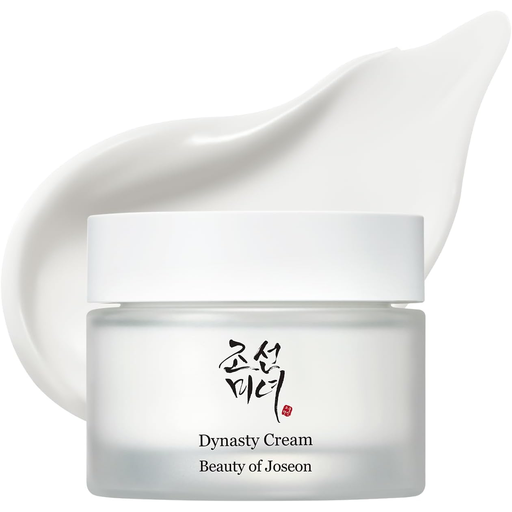
Why it suits this profile: This Korean face cream is a good fit if you’re looking for a richer, nourishing texture and a comprehensive ingredients list.
The product information states that it contains 100 ml, has a creamy consistency and includes specific ingredients such as niacinamide, sodium hyaluronate and panthenol.
Korean face cream; according to the product details, it contains rice extract. Ginseng isn’t listed among the stated ingredients, while the formula includes hyaluronic acid and niacinamide.
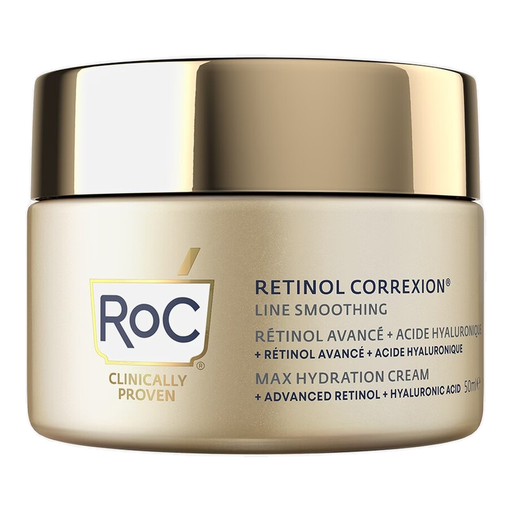
Why it suits this profile: A good choice if you’re specifically looking for an anti-ageing face cream with retinol and hyaluronic acid, and are happy to follow the instructions carefully.
The formula is described specifically as containing Pure RoC Retinol and hyaluronic acid. Be sure to check the current packaging and instructions before buying.
50 ml size; combines retinol and hyaluronic acid, according to the product description.
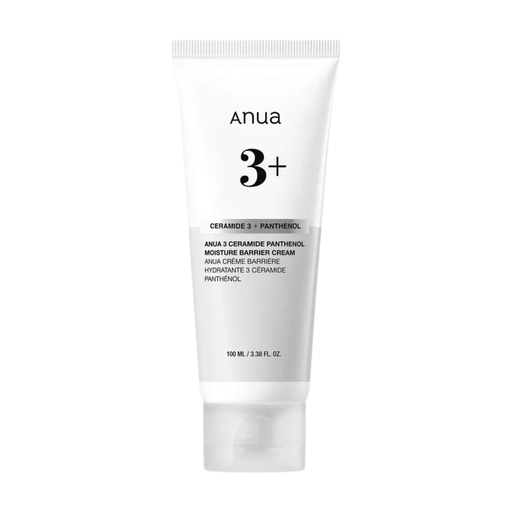
Why it suits this profile: The ingredients list is a good match if you’re looking for a hydrating face cream with ceramides, panthenol and hyaluronic acid.
The formula lists ceramide NP, ceramide AP, ceramide EOP, panthenol and hyaluronic acid separately. This makes it easier to check whether the ingredients fit into your routine.
100 ml size; according to the product information, use as the final step in your routine, morning and evening.
We’ve put together a complete, up-to-date list of products that meet these strict selection criteria and current European safety regulations.
For most routines, it’s usual to apply cream once in the morning and once in the evening, unless the packaging says otherwise. Apply it after cleansing and, if you use one, after serum. During the day, use a separate sun protection product if your cream doesn’t contain an appropriate SPF.
Check the use-by date and the period-after-opening symbol on the packaging. A product may change more quickly if stored somewhere warm or damp, or in direct sunlight. If its smell, colour or texture changes, stop using it.
Look for a short, straightforward ingredients list and avoid anything you know you react to. A cream for sensitive skin isn’t automatically suitable for everyone. Try a new product on a small area of skin first, and stop using it if you experience irritation, redness or swelling.
