
Vandaag of morgen in huis

Kwaliteit gegarandeerd

Welkomstaanbiedingen ontgrendelen: GRATIS bezorging | Tot 80% korting | Gratis 30 dagen JoyPlus-proefperiode
Download de app
Choosing a face cream seems straightforward, until you have to compare a moisturising face cream, anti-ageing face cream, face day cream or cream for sensitive skin. Marketing terms such as “intensive care”, “visibly younger-looking skin” and “recovery” don’t always tell you enough about the formula or how to use it.
The right choice starts not with the brand name or packaging, but with your skin type, the texture you want and verifiable product specifications.
A cream with retinol, vitamin C or hyaluronic acid may be worth considering, but the presence of one ingredient doesn’t automatically mean the product is right for your skin. Check the fragrance, alcohol, sun protection, oils and other ingredients too.
If you’re looking for a cream for sensitive skin, it’s worth considering a fragrance-free formula and testing new products on a small area of skin first. If irritation persists, it’s best to stop using the product.
A face cream with SPF can be practical for everyday use. However, the level of protection depends on the SPF, how much you apply and how often you reapply it. SPF 15, SPF 20 or SPF 30 isn’t the same as a separate sunscreen for prolonged exposure outdoors.
So check whether your product is intended as an everyday day cream or as additional protection against UV rays.
An anti-wrinkle cream can hydrate the skin and temporarily make the appearance of fine lines caused by dryness less noticeable. That’s different from a guaranteed reduction in wrinkles. Treat brands’ claims about results as brand communications.
For example, according to L’Oréal’s own research, certain Revitalift products may show changes in firmness or the appearance of wrinkles. The conditions, measurement method and duration of use are stated in the product information, and results won’t necessarily be the same for everyone.
Start by choosing a product based on your everyday needs:
A face cream with hyaluronic acid is particularly worth considering if you’re looking for moisturising skincare. Ceramides and panthenol are often found in formulas designed to support the skin barrier. Niacinamide and vitamin C are widely used in products aimed at promoting a more even-looking complexion.
Retinol needs a little more care. It’s best to introduce a face cream with retinol gradually, for example on a few evenings a week. Use sun protection during the day, and don’t combine several potent active products at the start without a good reason. Always follow the instructions on the packaging.
Pots, tubes and pump bottles each have practical advantages. A tube is handy for controlled dispensing and taking with you. A pump bottle limits direct contact with the contents. Also check the size, for example 40, 50, 75 or 100 ml, and look for the expiry date or period-after-opening information on the packaging.
A rich cream can feel pleasant in winter or on dry skin, while a gel cream may suit you better if you wear make-up or prefer a non-greasy feel.
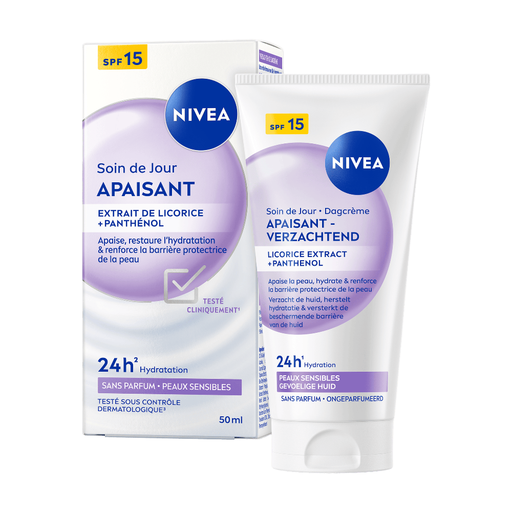
Why it suits this profile: An accessible face day cream for anyone who values everyday hydration and a fragrance-free formula.
The product information states that it’s fragrance-free, pH-neutral and has SPF 15. This means you can check its key features in advance.
50 ml, with panthenol and liquorice extract in the ingredients list; suitable for morning use.
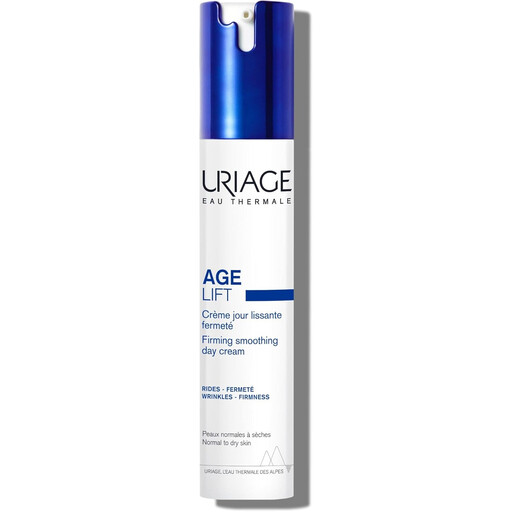
Why it suits this profile: Ideal if you’re looking for a richer anti-ageing face cream with retinol, hyaluronic acid and shea butter.
The formula information says it can be used in the morning and/or evening, and that it’s fragrance-free and non-comedogenic. If irritation occurs, the product information recommends reducing how often you use it.
40 ml, with shea butter and squalane; the product description states that it’s suitable for sensitive skin.

Why it suits this profile: Designed for people looking for a generous 100 ml cream for their morning and evening routine.
The full ingredients list is provided and includes panthenol, ceramide NP, ceramide AP, ceramide EOP and hyaluronic acid.
100 ml, fragrance-free according to the product information, and suitable for everyday use in the morning and evening.
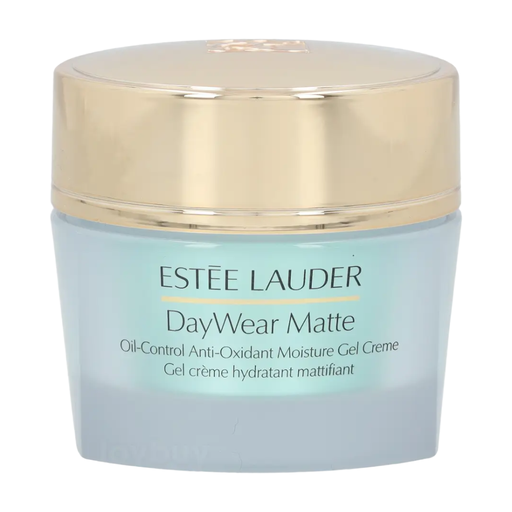
Why it suits this profile: A light gel cream for anyone who wants to combine hydration with a mattifying finish during the day.
The description specifies a gel cream texture and an oil-control formula. This makes it easier to judge than relying on the term “lightweight” alone.
50 ml, with a gel cream texture and sodium hyaluronate in the ingredients list; the product description says it’s suitable for wearing under make-up.
We’ve put together a complete, up-to-date list of products that meet these strict selection criteria and the applicable European safety regulations.
Check the expiry date and the period-after-opening symbol on the packaging. Keep the cream closed, somewhere dry and out of direct sunlight. If the smell, colour or texture changes noticeably, it’s best not to use the product.
A face day cream is often lighter and may contain SPF. A face night cream is usually richer and intended for use without make-up or daily UV exposure. The name doesn’t automatically determine which formula is right for your skin, so always check the ingredients and texture.
Sometimes, but introduce them gradually. Retinol, AHA, BHA and vitamin C can cause sensitivity for some skin types, especially when you introduce several products at once. Start with one new product, follow the label and use suitable sun protection during the day.
