
Vandaag of morgen in huis

Kwaliteit gegarandeerd

Welkomstaanbiedingen ontgrendelen: GRATIS bezorging | Tot 80% korting | Gratis 30 dagen JoyPlus-proefperiode
Download de app
Buying a face cream seems simple enough – until you have to choose between a hydrating face cream, moisturiser, night cream, ceramide cream or a soothing face cream. Marketing copy often throws around terms like “intensive repair”, “anti-ageing” and “for all skin types”, but those words don’t tell you much without checking the ingredients list, texture and usage instructions.
With this practical guide, you’ll focus on what you can actually verify: the composition, the skin goal, the quantity and any potential considerations for your skin.
A lengthy INCI list isn’t automatically a good thing. First, look for the ingredients that match your needs:
The order on the ingredients list matters: ingredients listed first are generally present in higher concentrations. So a product name that includes “ceramide” doesn’t automatically mean ceramide is high up on the list.
“For all skin types” might sound practical, but a rich cream for dry skin can feel heavy on oily or acne-prone skin. Conversely, a light gel cream may not provide enough comfort for tight-feeling skin.
So pay attention to the texture:
Even a cream for sensitive skin can contain ingredients that don’t suit everyone. Fragrances, essential oils, acids and retinol can cause irritation for some users. According to the product information from some brands, formulas are dermatologically tested or hypoallergenic, but this is no guarantee for every individual skin type.
Always test a new face cream on a small patch of skin first. Stop using it if you experience persistent redness, swelling or irritation, and follow the warnings on the packaging.
A hydrating face cream adds moisture-binding ingredients, while a barrier cream also helps to limit moisture loss. For dry skin, a combination can be useful: humectants like glycerine or hyaluronic acid, topped up with oils, silicones or ceramides.
A cream with ceramide NP, such as The Ceramide Skin Barrier Moisturizer, also contains multiple ceramides, hyaluronic acid and supporting lipids according to the stated ingredients list. That makes the formula interesting for users specifically looking to repair the skin barrier, without having to combine several products at once.
An anti-ageing cream with retinol, vitamin C or glycolic acid requires a different approach to a simple moisturiser. Start with a low frequency of use for active ingredients and use a sunscreen during the day. The Retinol 0.1 Cream states 0.1% retinol, hyaluronic acid and panthenol. If you haven’t used retinol before, it’s wise to build up slowly and not introduce several strong active ingredients at the same time.
A cream with glycolic acid, such as Topicrem AH THEAVIT Renewing Cream, is intended for exfoliating care according to the product information. An acid may be less suitable for sensitive or damaged skin. Always check the current packaging and instructions for use.
Don’t just compare the selling price. A 30 ml pot, a 50 ml tube and a 100 ml pack aren’t directly comparable. Calculate the price per millilitre and also check:
A compact 15 ml pack can be handy for trying out a formula first. The SKIN1004 Madagascar Centella Probio-Cica Enrich Cream, for example, is available in 15 ml alongside a 50 ml version.
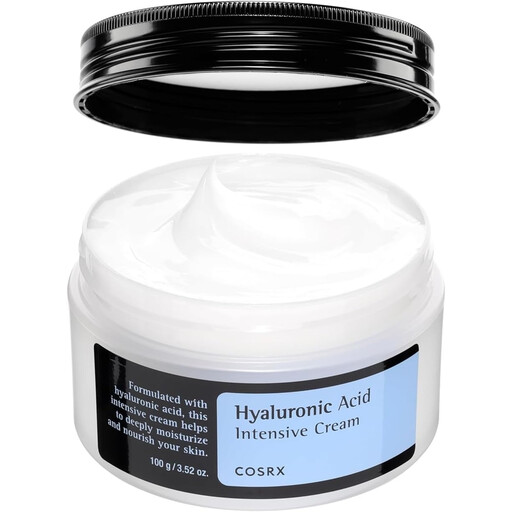
Why this fits the profile: The 100g pack and straightforward focus on hydration make this cream suitable for anyone looking for a moisturiser without a complicated routine.
The stated ingredients list is clear and includes glycerine, betaine and sodium hyaluronate, among others. This lets you concretely check the hydration focus.
100g content; contains glycerine, betaine, hyaluronic acid and allantoin according to the product data.
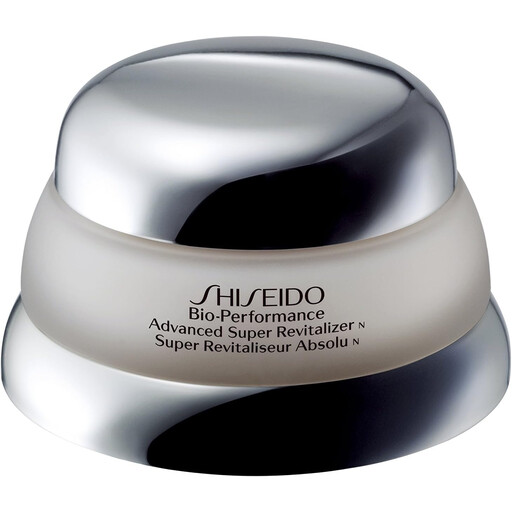
Why this fits the profile: This 50ml face cream is aimed at users who want a luxury skincare product and are willing to pay extra attention to texture and brand formulation.
Check the current INCI list, texture and instructions for use before buying. The product name alone doesn’t give enough information about whether it’s suitable for your skin.
50ml content; luxury care segment; suitable for an extensive evening routine if the texture suits your skin.
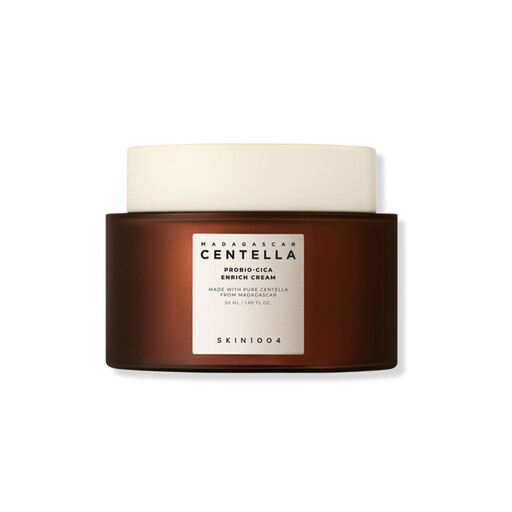
Why this fits the profile: A fitting choice for skincare enthusiasts specifically looking for Centella Asiatica, ceramide NP and a richer cream for dry or sensitive skin.
The product information mentions ceramide NP, glycerine, Centella Asiatica and several oils. Do check whether the fuller texture remains comfortable for combination or oily skin.
50ml; contains ceramide NP and Centella Asiatica; according to the product information, vegan and dermatologically tested.
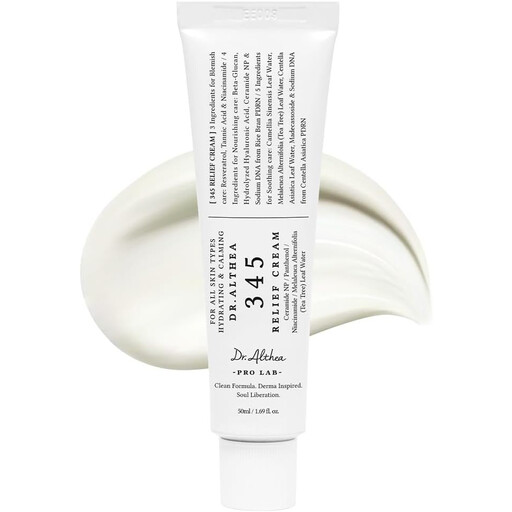
Why this fits the profile: This formula is aimed at users with acne-prone skin who want a light moisturiser with barrier ingredients and a gentle finish.
According to the product information, the cream has been clinically tested as non-comedogenic. That’s a product specification, not a guarantee that every acne-prone skin will react the same way.
Contains ceramide NP, hyaluronic acid, niacinamide and tea tree leaf water according to the product description; 50ml content.
Apply the cream after cleansing and, if you use one, after toner or serum. Use a suitable sunscreen during the day, especially if you’re using retinol, vitamin C or exfoliating acids. A pea-sized amount is often a good starting point, but follow the product instructions.
For dry skin, you can use a richer cream mainly in the evening. For oily or acne-prone skin, a thin layer is usually more comfortable. Don’t introduce several new products at once; that way, you can better identify which product causes a reaction.
We’ve put together a full, up-to-date list of products that fully meet these strict selection criteria and comply with current European safety regulations.
Look for a cream with glycerine, hyaluronic acid, ceramides, panthenol and emollient oils. A richer texture can help lock in moisture for longer. Do check whether your skin reacts sensitively to fragrances or essential oils.
Yes, you can, but choose a light, non-comedogenic formula if possible and avoid applying too thick a layer. “Non-comedogenic” is a claim from the manufacturer, not a personal guarantee. Test the product on a small area of skin first and stop if irritation occurs.
Check the expiry date and the symbol for the period after opening on the packaging. Store the cream tightly closed, in a cool place and out of direct sunlight. A change in smell, colour or texture could be a reason to stop using the product.
