
Vandaag of morgen in huis

Kwaliteit gegarandeerd

Welkomstaanbiedingen ontgrendelen: GRATIS bezorging | Tot 80% korting | Gratis 30 dagen JoyPlus-proefperiode
Download de app
Buying a new face cream seems simple, but there’s a huge range to choose from. Are you looking for a moisturising face cream, a cream for dry skin or a product with retinol? You’ll soon come across terms such as “repairing”, “firming” and “deep hydration”. These words only tell you so much, so it’s worth looking at the ingredients, texture and directions for use too.
Hyaluronic acid, collagen, niacinamide and ceramides are well-known ingredients in Korean skincare and other skincare products. However, one ingredient alone doesn’t determine how a cream will work on your skin. The overall formula, the amount used and how it’s combined with other ingredients are just as important.
With a collagen cream, it’s also worth distinguishing between collagen as a skincare ingredient and claims about the skin’s own collagen production. According to some brands’ product information, collagen can contribute to a plumper or smoother-feeling complexion, but this isn’t guaranteed to suit every skin type.
Oily and dry skin don’t always have the same needs. A cream containing shea butter, oils or silicones may feel comfortable on dry skin, especially in winter. On combination or oily skin, the same texture can feel heavy.
So check how the formula is described: gel, lotion, cream-fluid or rich cream. Think about your daily routine too. If you already use a serum and sunscreen, you may prefer a cream that absorbs quickly rather than applying several rich layers.
Always check a cream for sensitive skin for fragrance, essential oils and any ingredients you know you’re sensitive to. A product may be described by the brand as suitable for sensitive skin, but that doesn’t replace checking the ingredients list.
Test a new cream on a small area of skin first. Stop using it if you experience irritation, itching, a burning sensation or swelling. If symptoms persist, consult a doctor or dermatologist.
A hyaluronic acid cream can help skin feel supple by holding moisture on the skin’s surface. Ceramides are lipids that occur naturally in the skin and are often used in a barrier-repair cream. Product descriptions may state that a formula supports the skin barrier; this isn’t the same as a medical treatment.
Niacinamide is often used to promote a more even-looking complexion and comfortable skin. Centella asiatica, also known as cica, is commonly found in formulas designed to soothe the skin. Always check the full INCI list, not just the ingredients shown on the front of the packaging.
Retinol is a vitamin A derivative often found in products targeting visible fine lines and uneven skin texture. Start with a small amount and don’t use it every night straight away. Pair retinol with sun protection during the day and follow the warnings on the packaging.
A product containing 0.1% retinol, such as The Retinol 0.1 Cream, is easier to assess than one described only as “high-dose” or “powerful”. Don’t use retinol on irritated or damaged skin. If you’re pregnant, breastfeeding or receiving medical treatment, it’s a good idea to seek professional advice first.
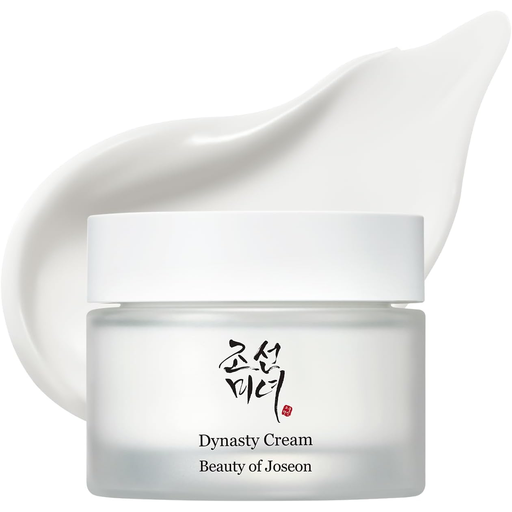
Why it suits this profile: A versatile Korean face cream for anyone looking for a daily moisturiser. The formula contains glycerine, niacinamide, panthenol and sodium hyaluronate, among other ingredients.
The ingredients list shows which moisturising ingredients are included. Check that propolis, honey and plant extracts suit your skin.
100 ml, suitable for all genders, with a cream formula containing niacinamide, panthenol and hyaluronic acid.
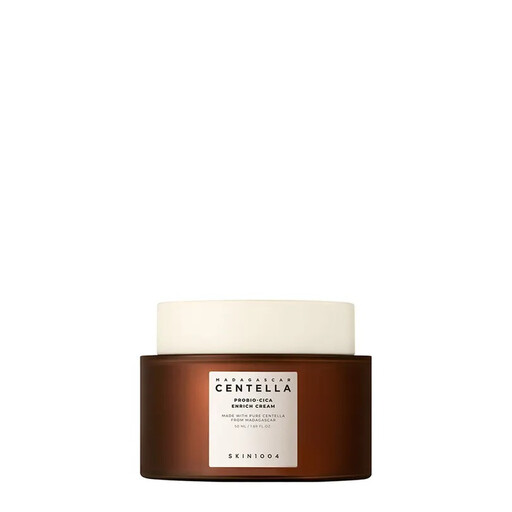
Why it suits this profile: Designed for people looking for a richer cream for dry or sensitive skin, with centella asiatica and ceramide NP.
The formula lists ceramide NP, shea butter and seed oils. This helps explain why it may feel richer, though it won’t necessarily suit oily skin.
Ceramide NP, centella asiatica and a concentrated cream formula; described as dermatologically tested in the product information.
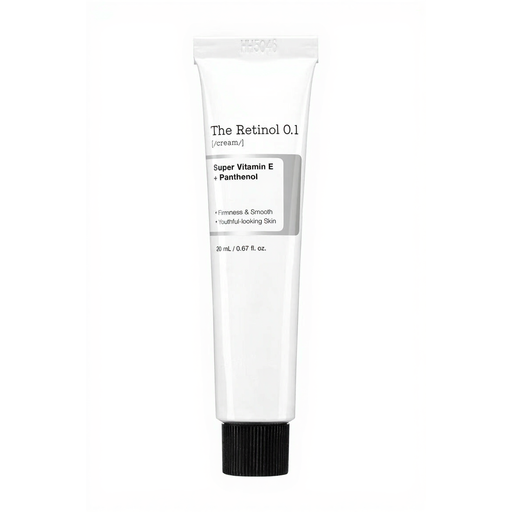
Why it suits this profile: For people deliberately looking for an anti-ageing face cream with a stated retinol concentration and wanting to build up their routine gradually.
The product information states that it contains 0.1% retinol, so you don’t have to rely on vague terms such as “extra strong”. Introduce it gradually to help limit dryness or irritation.
0.1% retinol and moisturising ingredients such as hyaluronic acid and panthenol; sun protection is needed during the day.
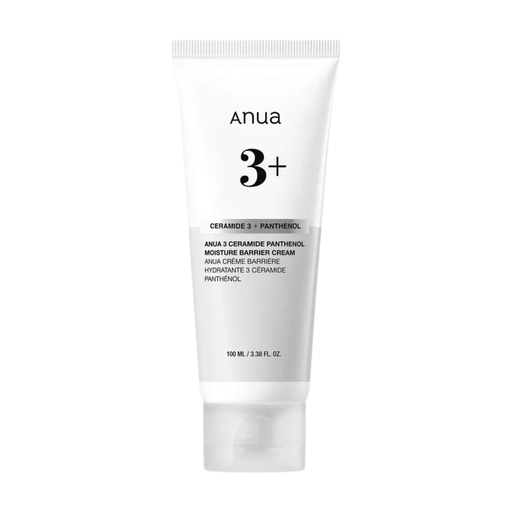
Why it suits this profile: A practical choice if you’re looking for a generous amount for morning and evening use, with panthenol, three ceramides and hyaluronic acid.
The ingredients can be checked, and the listed formula contains no fragrance. Always check the packaging and current INCI list before use.
100 ml, with panthenol, ceramide NP, ceramide AP, ceramide EOP and squalane listed in the product information.
We’ve put together a complete, up-to-date list of products that meet these strict selection criteria and current European safety regulations.
Most moisturisers can be used once or twice a day, depending on the product instructions and your skin type. Apply the cream after cleansing and, if you use them, after toner or serum. Finish your daytime routine with sun protection.
Check the expiry date and period after opening on the packaging. Keep the jar or tube closed, in a dry place and out of direct sunlight. If the scent, colour or texture changes, stop using the product.
The price depends on the size, brand, ingredients and packaging. A higher price doesn’t automatically mean a cream will suit your skin better. Compare the cost per millilitre, the ingredients list and how well it matches your skin’s needs.
