
Vandaag of morgen in huis

Kwaliteit gegarandeerd

Welkomstaanbiedingen ontgrendelen: GRATIS bezorging | Tot 80% korting | Gratis 30 dagen JoyPlus-proefperiode
Download de app
Buying a new face cream might seem straightforward, until you have to choose between hydrating formulas, retinol creams, Korean face creams and products for sensitive or dry skin. A high price or eye-catching packaging tells you very little about whether it’s right for your skin.
These common pitfalls often crop up:
So start by looking at the ingredients list, the skin type the product is designed for, and the usage instructions. A cream for wrinkles or dark spots is not a substitute for medical advice. If you have persistent skin concerns, it’s wise to speak to your GP or a dermatologist.
For a hydrating face cream, ingredients worth looking at include glycerine, hyaluronic acid, panthenol and squalane. These can help give your skin a comfortable feel and support moisture retention.
If you’re looking for a cream for dry skin, you’ll often benefit more from a combination of humectants and soothing oils or butters. For a weakened skin barrier, ceramides, cholesterol, fatty acids and panthenol are interesting components. A skin barrier cream doesn’t have to be heavy or greasy; the overall formula determines the texture.
For sensitive skin, it’s wise to check for fragrance and any known personal triggers. Even plant-based oils and scents can cause unwanted reactions in some people. Always test a new product on a small area of skin first.
A retinol cream requires a gentle build-up. The Retinol 0.1 Cream states 0.1% retinol; the product information advises using it no more than three times a week to start, gradually adjusting the frequency. The The Retinol 0.3 Cream states 0.3% retinol and advises evening use, with sun protection during the day.
According to the brand’s product information, retinol can cause irritation and sensitivity to sunlight. Do not use it on damaged skin and do not combine it casually with other retinol, AHA or BHA products. If you are pregnant or breastfeeding, seek medical advice.
With a vitamin C cream or a cream containing glycolic acid, the dosage and frequency of use are more important than the name on the packaging. Topicrem AH Theavit contains glycolic acid according to the product description. The manufacturer positions it for exfoliating and anti-ageing care, but the effect can vary from person to person.
Compare the volume: 20 ml, 50 ml, 55 g, 75 ml and 80 ml are not directly equivalent. Also check the expiry date, batch information and the period after opening on the packaging. Store your cream according to the instructions, usually closed and away from direct sunlight.
Also pay attention to practical details:
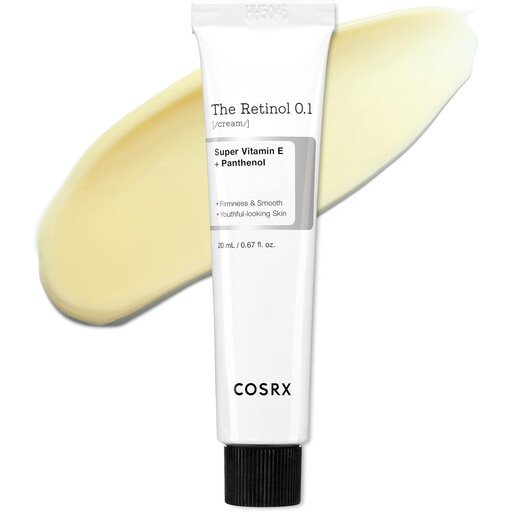
Why this fits the profile: The stated 0.1% retinol and the advice to build up slowly make this cream suitable for anyone incorporating retinol into their routine for the first time.
The concentration and usage instructions are clearly stated, so you’re not relying on a vague anti-ageing claim alone.
0.1% retinol, panthenol in the ingredients list and a 20 ml volume.
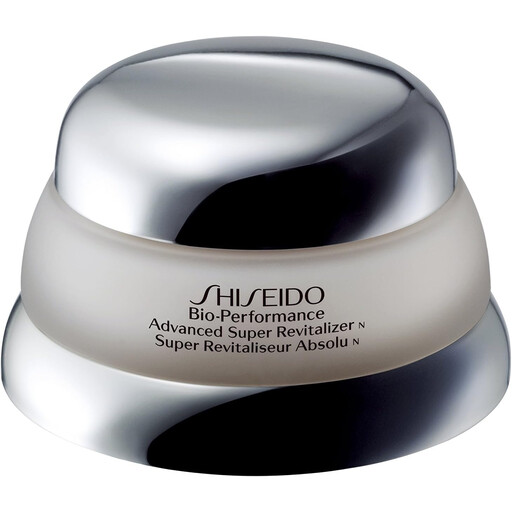
Why this fits the profile: The 50 ml packaging and luxury segment suit users who focus on brand positioning, texture and a comprehensive skincare routine.
Compare the volume and formula details with your own skin needs first, rather than paying purely for a luxury look.
50 ml volume and a product specifically marketed as a regenerating face cream.

Why this fits the profile: If you have dry skin or a compromised skin barrier and want targeted care, you can compare the extensive ingredients list with your own routine.
The formula lists multiple ceramides, cholesterol, panthenol, squalane and hyaluronic acid, so you can make a targeted comparison.
80 ml volume and several ceramides alongside hydrating ingredients.
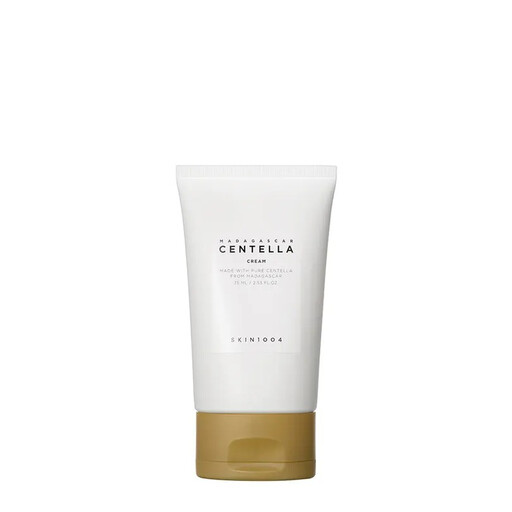
Why this fits the profile: The product description mentions a vegan formula, centella asiatica, panthenol and niacinamide for users looking for a light cream for sensitive or normal skin.
The product information explicitly lists potential allergens, including lavender oil and orange oil. This makes checking before purchase much easier.
75 ml volume, vegan according to the product information and 9.8% centella asiatica extract according to the product description.
We’ve put together a full, up-to-date list of products that fully meet these strict selection criteria and comply with current European safety regulations.
It depends on the formula and your skin type. A standard hydrating face cream can usually be applied morning and evening to cleansed skin. With active ingredients, always follow the instructions on the packaging. During the day, a routine with retinol or acids should include a sun protection product suited to your skin and exposure levels.
Check the expiry date and the symbol for the period after opening on the packaging. The scent, colour and texture can change if a product is stored too warm, left open for too long or kept in direct sunlight. Close the packaging after use and don’t use a cream that clearly smells or looks different.
Look for hydrating and barrier-supporting ingredients such as glycerine, panthenol, ceramides, hyaluronic acid and squalane. Avoid known personal triggers and test a new soothing face cream on a small area first. A vegan face cream can be interesting if that specification matters to you, but vegan doesn’t automatically mean every ingredient is suitable for every sensitive skin type.
