
Vandaag of morgen in huis

Kwaliteit gegarandeerd

Welkomstaanbiedingen ontgrendelen: GRATIS bezorging | Tot 80% korting | Gratis 30 dagen JoyPlus-proefperiode
Download de app
Buying a face cream might seem straightforward, but the differences between formulas, ingredients and textures are vast. A gel-cream can feel pleasant on combination or oily skin, while a richer cream is better suited to dry skin. If you rely solely on terms like “glow”, “anti-ageing” or “intense hydration”, you also run the risk of picking a product that doesn’t fit your daily routine.
Many shoppers search online for the best face cream, but there’s no universal formula that works the same for every skin type. The right choice depends on your skin type, the texture you prefer, the ingredients, and practical considerations such as fragrance, size and when you’ll use it.
Terms like “100 hours of hydration”, “repair” and “anti-ageing” sound convincing. Always check what’s actually stated: size, ingredients, skin type, usage advice and any product claims. According to the product description, Clinique, for example, claims up to 100 hours of hydration with the Moisture Surge 100H. That’s a brand claim, not a universal guarantee for every user.
A heavy cream can be comfortable for dry skin, but may feel less pleasant on oily or combination skin. A light gel-cream can absorb quickly, but might feel less nourishing for very dry skin. So pay attention to terms like gel-cream, cream, lotion and balm.
Hyaluronic acid grabs attention as a hydrating ingredient, but the full formula determines how a cream feels. A hyaluronic acid cream may also contain glycerine, oils, silicones, ceramides or panthenol. If you’re looking for a niacinamide cream, you should also check whether fragrance or other ingredients are less suited to your personal preference.
Hyaluronic acid comes in different forms, such as sodium hyaluronate and hydrolysed hyaluronic acid. Ceramides and cholesterol are often used in formulas aimed at moisture retention and the skin barrier. A cream for the skin barrier is especially worth considering when you’re looking for a comfortable, less tight feeling.
Niacinamide is often combined with hydrating ingredients. Vitamin C appears as pure ascorbic acid or as a derivative, such as sodium ascorbyl phosphate. The concentration and stability aren’t the same in every product, so always check the current INCI list on the packaging; ingredients can change.
Before you buy, check:
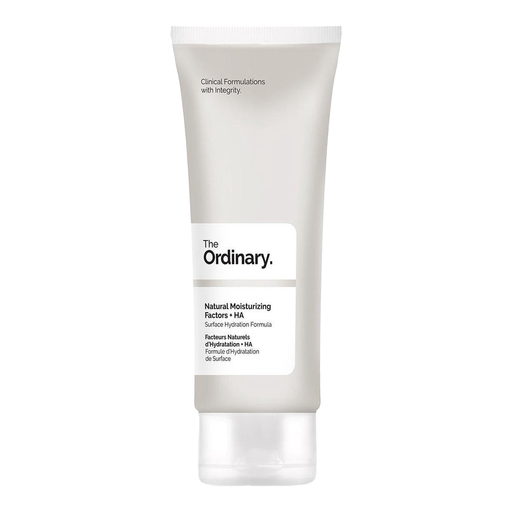
Why this fits the profile: The formula is non-greasy and, according to the product information, contains hyaluronic acid and natural moisturising factors, among other things. The 100 ml size is practical for daily use.
The ingredients and properties are clearly described, so you rely less on general marketing terms.
100 ml size; non-greasy formula; listed as suitable for dry, normal, oily, mature, sensitive and combination skin.

Why this fits the profile: According to Clinique, the gel-cream is suitable for dry, very dry, combination and oily skin, and can also be used under make-up or as a short mask.
The packaging lists concrete properties such as alcohol-free, fragrance-free, paraben-free and non-comedogenic, rather than just a general promise.
Gel-cream; fragrance-free according to the product data; 30 ml size; suitable for morning and evening use.

Why this fits the profile: According to the ingredient list, this Korean face cream contains multiple forms of hyaluronic acid, ceramide NP, panthenol and plant oils.
The formula isn’t built around just one trending ingredient; the INCI list shows multiple moisturising and nourishing components.
100 ml size; multiple forms of hyaluronic acid; contains ceramide NP and panthenol; suitable as a day or night cream according to the product description.
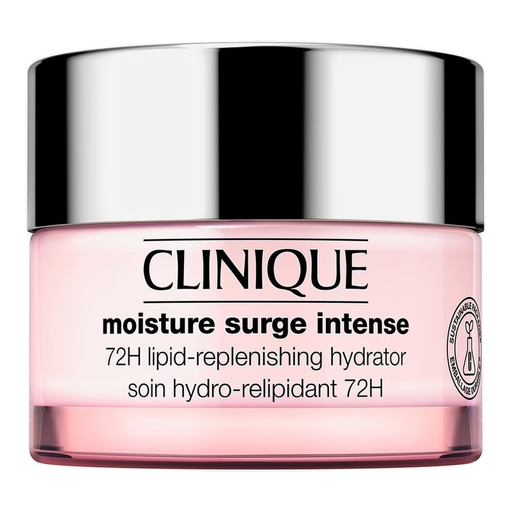
Why this fits the profile: According to the product information, this gel-cream is intended for dry and very dry skin and can be used when extra comfort is needed, including as a mask.
The product data specifies the skin type, application and fragrance-free formula. This allows you to compare the cream more precisely with other options.
50 ml size; fragrance-free according to the product information; contains sodium hyaluronate, squalane and glycerine; intended for dry to very dry skin.
We’ve put together a full, up-to-date list of products that fully meet these strict selection criteria and comply with current European safety regulations.
For most daily routines, applying it after cleansing in the morning and evening is common, as long as this matches the product instructions. During the day, sun protection is part of a complete skincare routine when you’re exposed to sunlight. Don’t automatically use more cream because your skin feels dry; a small amount can be enough.
Check the packaging for the expiry date and the open-jar symbol. Store the cream in a cool, dry place away from direct sunlight, and close the packaging properly. A change in smell, colour or texture could be a reason not to use the product any longer.
No. The price alone doesn’t tell you how well a formula suits your skin. Compare the size, ingredients, texture, scent, usage advice and claims. A simple hydrating face cream can be enough for daily use, while someone else may value a Korean formula, ceramides or a fragrance-free composition.
