
Vandaag of morgen in huis

Kwaliteit gegarandeerd

Welkomstaanbiedingen ontgrendelen: GRATIS bezorging | Tot 80% korting | Gratis 30 dagen JoyPlus-proefperiode
Download de app
A brightening face cream can hydrate your skin while containing ingredients suited to a dull or uneven-looking complexion. However, not every brightening cream is suitable for daily use. Eye-catching packaging, a promise to tackle dark spots or a high percentage of vitamin C tells you little about the formula as a whole.
Focus instead on the ingredients list, sun protection, texture and potential irritation. Read on to find out which pitfalls to look out for and which products suit different skin needs.
Words such as brightening, radiance and glow often describe how the skin looks or its finish. They don’t automatically mean that dark spots will disappear. According to a brand’s own research or product information, ingredients such as niacinamide, vitamin C derivatives or tranexamic acid may help promote a more even-looking complexion, but results vary from person to person.
If you’re specifically looking for a face cream for dark spots, it’s worth checking the ingredients and directions for use rather than relying on the marketing copy alone.
A day cream with SPF is practical, but the protection you get depends on how much you apply and how often you reapply it. A cream with SPF 15, 25, 30 or 35 also has a different stated protection factor from SPF 50+. You may need to reapply after spending a long time in the sun, swimming or sweating.
A brightening routine without daily sun protection may be less effective, as UV rays can affect the appearance of uneven skin tone. So always check the SPF on the packaging.
Vitamin C, salicylic acid, citrus ingredients and fragrance may feel less comfortable for some people. If you have sensitive skin, choose a fragrance-free formula where possible and test any new product on a small area of skin first.
Pay attention to combinations, too. Using several exfoliating or active products at the same time can upset your skin. Start with one new product and build up use gradually.
The order of ingredients on the list usually gives you an idea of how much of each is included, but it doesn’t tell you everything about how the finished formula will perform. So treat claims about brightening or dark spots as product information from the brand, not as a guaranteed result.
A gel cream often feels light and may suit combination or oilier skin. A richer cream may be a better fit for dry skin, especially in winter. For everyday use under make-up, a fast-absorbing formula may be more practical.
If you’re looking for a cream for dull skin, you can choose a formula with light-reflecting pigments, active ingredients or simply more hydration. Dull-looking skin isn’t always caused by pigmentation; dehydrated skin can also look less fresh.
Check the ingredients list for fragrance, essential oils, alcohol denat. and acids such as salicylic acid. That doesn’t mean these ingredients are unsuitable for everyone, but they may be worth considering if your skin is reactive.
Products containing salicylic acid often carry a warning for young children. Also avoid contact with the eyes and stop using the product if you experience redness, itching or a burning sensation. Always follow the instructions on the packaging.
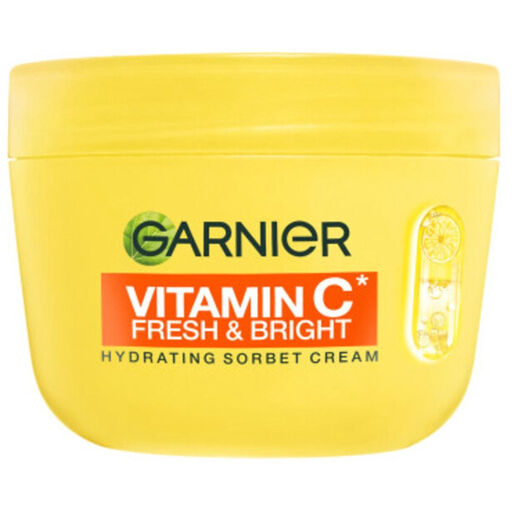
Why it suits this profile: The sorbet texture and combination of glycerine, niacinamide and ascorbyl glucoside make this a good fit if you’re looking for an accessible everyday cream.
The ingredients list makes it clear that this isn’t an SPF product, so you’ll know that separate sun protection is still needed. The formula also contains fragrance, citrus ingredients, alcohol denat. and salicylic acid, so check in advance that it suits your skin.
50 ml; niacinamide and a vitamin C derivative in a light cream; suitable for daily use according to the product instructions.
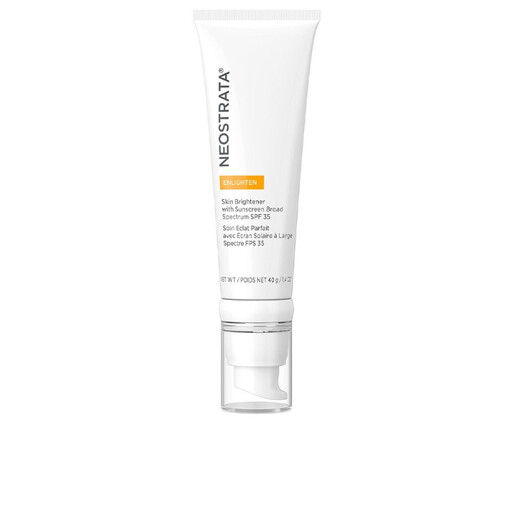
Why it suits this profile: This cream combines hydration with SPF 35 and is designed for people who want to cut down on the number of steps in their morning routine.
The SPF factor is clearly stated, so you don’t have to guess how much protection it offers. According to the product information, the formula contains neoglucosamine and B-resorcinol; the claim that it helps with hyperpigmentation comes from the brand.
SPF 35; oil-free and non-comedogenic formula according to the product information; 40 g.
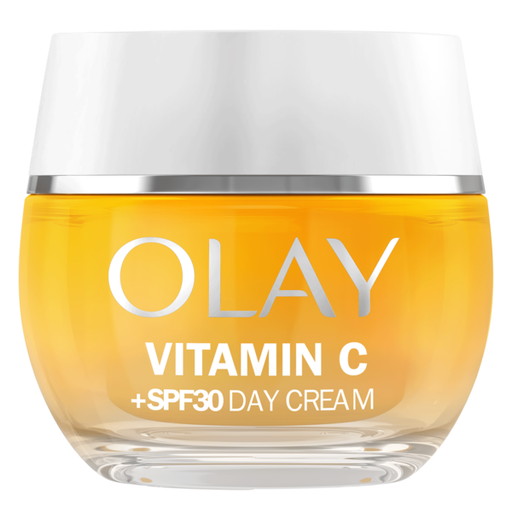
Why it suits this profile: A good option if you want to combine a vitamin C cream, niacinamide cream and SPF in one morning product.
The formula lists SPF 30, niacinamide and 3-O-ethyl ascorbic acid separately. The claims about 24-hour hydration and a more even-looking complexion come from Olay’s product information.
SPF 30; glycerine and panthenol; light, non-greasy formula according to the product description.
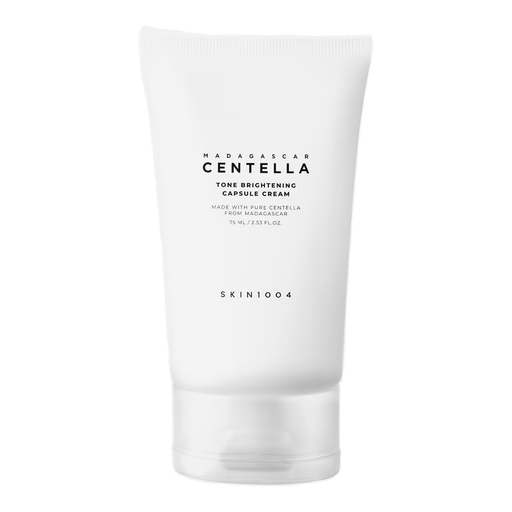
Why it suits this profile: The fragrance-free and alcohol-free formula is a good fit if you’re looking for a light Korean skincare cream for sensitive skin.
The product information states that it contains no fragrance or alcohol. The formula does contain several plant extracts, so check the full ingredients list if you have any known allergies.
75 ml; centella asiatica, niacinamide and tranexamic acid; suitable for several skin types according to the product information.
We’ve put together a complete, up-to-date list of products that meet these strict selection criteria and comply with current European safety regulations.
Store the cream according to the instructions on the packaging and check how long it keeps after opening. If a product changes in smell, colour or texture, it’s best not to use it.
A brand may state, based on its own product research or information, that certain ingredients help reduce the appearance of dark spots. This isn’t a guaranteed result. Daily sun protection and consistent use are important parts of a routine for a more even-looking complexion.
It depends on the formula. A simple hydrating face cream can generally be used daily, according to the label. If it contains vitamin C, salicylic acid, citrus ingredients or other active ingredients, it’s best to follow the instructions and stop using it if irritation occurs.
Check the best-before date and the period-after-opening symbol on the packaging. Some product information, for example, states that a cream can be used for six or twelve months after opening. Store it in a cool, dry place away from direct sunlight, unless the manufacturer gives different instructions.
