
Vandaag of morgen in huis

Kwaliteit gegarandeerd

Welkomstaanbiedingen ontgrendelen: GRATIS bezorging | Tot 80% korting | Gratis 30 dagen JoyPlus-proefperiode
Download de app
Buying a new face cream sounds simple—until you have to choose between a gel, rich cream, ceramide cream, Korean face cream or facial moisturizer with a long ingredient list. Marketing terms such as “intensive”, “repairing” and “anti-aging” reveal little on their own about how well a product suits your skin.
The right choice mainly depends on your skin type, preferred texture, ingredients and time of use. Below, you’ll learn what to look for and which popular options in 2026 suit different skincare needs.
A brand may describe a cream as soothing, firming or suitable for supporting skin-barrier repair. That does not automatically mean every user will achieve the same result. A brand’s own research may support a particular claim, but you should also check the ingredients, directions for use and skin type specified for the product.
When choosing an anti-aging face cream, it is sensible to focus on the formula rather than the term on the packaging alone. Ingredients such as niacinamide, adenosine, vitamin C derivatives, peptides and hyaluronic acid appear in many different formulas, but their presence does not guarantee a visible effect.
A cream for dry skin often contains emollient oils, butters or occlusive ingredients. These can feel comfortable when your skin feels tight, particularly in winter or in a heated home. However, the same texture may feel too rich on oily or combination skin.
A lightweight gel cream is usually more practical during the day or under makeup. A richer cream may be a better choice as a night treatment or when your skin dries out easily. Pay attention to the product description: “gel”, “gel cream”, “lotion” and “rich cream” provide an initial indication of the texture, but always introduce new products carefully if you have sensitive skin.
A long ingredient list is not a guarantee of quality. A product containing several acids, vitamin C, fragrances and botanical extracts may appeal to some users, but may be less suitable for sensitive skin. Always check the complete INCI list and take note of any known allergies.
A patch test on a small area of skin is advisable before daily use. Stop using the product if you experience burning, itching, swelling or pronounced redness, and follow the safety information on the packaging.
Hyaluronic acid and glycerin help the formula attract moisture and often leave skin feeling hydrated. A hyaluronic acid cream may therefore suit dry or dehydrated skin. Ceramides, cholesterol and fatty acids are found in products designed to support the skin barrier. A ceramide cream is particularly worth considering if you are looking for a skincare product that feels less drying.
Panthenol, allantoin and centella extract are often used in a soothing face cream. However, check whether the formula also contains fragrance or essential oils, as “soothing” does not automatically mean suitable for every sensitive skin type.
Compare the volume: 30 ml, 50 ml, 80 ml and 100 ml are common sizes. A 100 ml jar may seem good value, but only if you like the texture and use the product before its expiry date. Store face cream in a cool, dry place away from direct sunlight, and close the packaging securely.
Use a small amount on cleansed skin. During the day, apply sun protection when using active ingredients such as vitamin C or acids, following the instructions on the label.
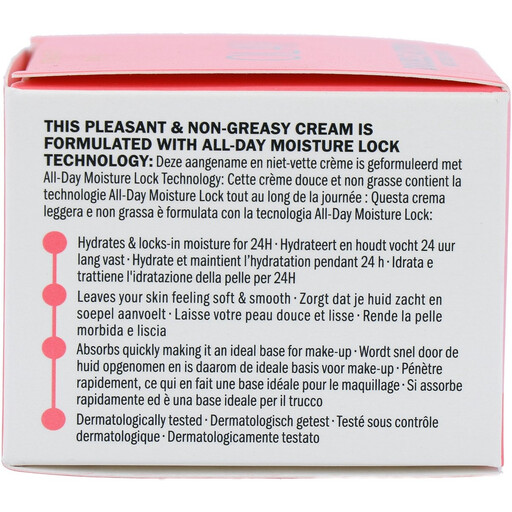
Why it fits: A practical choice for anyone looking for a daily cream for normal to dry skin that can also be worn under makeup.
The product description mentions a lightweight formula and fast absorption, making it less likely that you’ll choose a heavy cream for daytime use.
50 ml; designed for normal to dry skin; can be used as a makeup base according to the description.
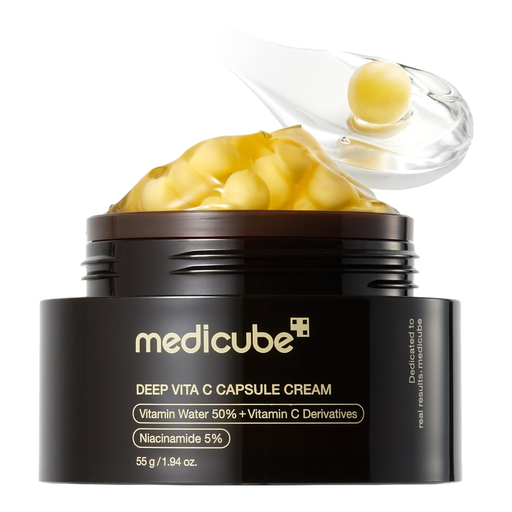
Why it fits: For skincare enthusiasts who want to use a more sophisticated formula with a gel component and vitamin C capsules.
According to the description, the two components can be adjusted to create a lighter or richer feel. However, check for fragrance if your skin is sensitive to it.
55 g; contains niacinamide and several forms of vitamin C according to the INCI list; mixing ratio can be adjusted.

Why it fits: This lightweight Korean face cream is designed to hydrate without feeling heavy or sticky.
The gel texture is a logical choice if a rich cream feels too occlusive or uncomfortable on oily skin.
100 ml; gel cream; contains 44% red bean extract and a peptide complex according to the product information.
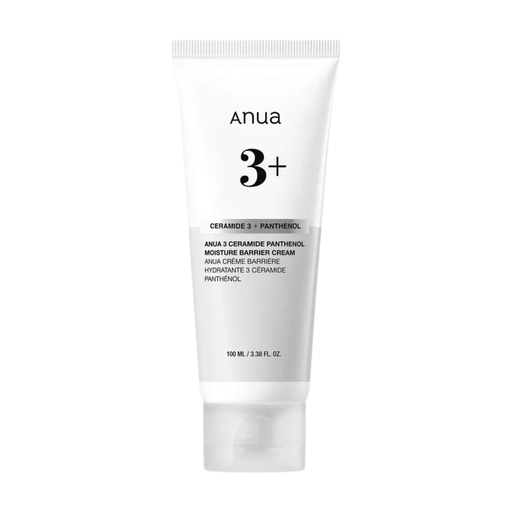
Why it fits: An option for anyone specifically looking for a ceramide cream with panthenol and a formula suitable for daily use.
The ingredient list includes several ceramides, hyaluronic acid and panthenol. Even so, check the complete list if you have a known allergy.
100 ml; contains Ceramide NP, Ceramide AP and Ceramide EOP; also contains panthenol, squalane and hyaluronic acid.
If you are looking for a more intensive cream for dry skin, consider Pyunkang Yul Nutrition Cream, which contains shea butter, jojoba oil and astragalus root extract. For a hydrating face cream with several forms of hyaluronic acid, Isntree Hyaluronic Acid Moist Cream is worth considering. The formula also contains ceramide NP, panthenol and several oils.
For a soothing routine, Numbuzin No.1 Pantothenic B5 Active Soothing Cream, Dr. Althea 147 Barrier Cream and The Ceramide Skin Barrier Moisturizer are options to compare based on their ingredients. If a gel texture and fragrance-free product description are important to you, you may also want to consider Clinique Moisture Surge 100H. Always check the current packaging, ingredients and safety information for each product.
Browse a current selection of face creams and compare skin type, texture, volume and ingredients before placing your order.
In most cases, apply a facial moisturizer after cleansing, both morning and evening. Start with a small amount. During the day, sun protection should be the final step unless the packaging specifies a different order.
A lightweight gel cream, such as a product with a non-sticky texture, may feel more comfortable than a rich cream. Also check the complete ingredient list rather than choosing solely based on the words “oil-free” or “matte”.
Follow the expiry date and the period-after-opening symbol on the packaging. Store the cream closed, in a dry place and away from direct sunlight. Has the scent, colour or texture changed? Do not use the product and check the safety information.
