
Vandaag of morgen in huis

Kwaliteit gegarandeerd

Welkomstaanbiedingen ontgrendelen: GRATIS bezorging | Tot 80% korting | Gratis 30 dagen JoyPlus-proefperiode
Download de app
Oily skin often needs hydration too. The main difference lies in the texture and ingredients. A cream that is too rich can feel heavy, while an overly aggressive mattifying face cream can leave your skin feeling tight. As a result, you may keep buying new products without finding a routine that feels comfortable and works well.
As a Joybuy Product Recommendation Officer, I filter product information based on practical points: skin type, texture, fragrance, size and use. Below, you’ll find out which properties matter and which popular choices suit different user profiles.
A product that makes the skin look instantly mattified will not necessarily hydrate it effectively. Ingredients such as glycerine, hyaluronic acid, panthenol or niacinamide can be relevant when you’re looking for a hydrating face cream. So don’t just check for terms such as “shine control” or “pore care”; take a look at the ingredients list too.
A gel cream usually feels lighter than a rich cream, but gels can also contain silicones, oils or other emollient ingredients. That does not automatically make them unsuitable for oily skin. It is still wise to consider the formula as a whole and pay attention to how your own skin reacts. A non-greasy face cream should feel comfortable and leave no sticky layer behind.
“Natural”, “clean” and “Korean skincare cream” do not, on their own, say much about whether a product is suitable for your skin. Natural fragrances may still contain perfume components, for example. For sensitive skin, a fragrance-free face cream may be a more logical starting point. A brand’s own research may suggest that a product has a soothing or sebum-regulating effect, but such results are not guaranteed for every user.
The right texture depends on your whole face. A face cream for combination skin does not have to work the same way everywhere: you can use a smaller amount on the T-zone and a little more on dry areas.
When comparing products, look for verifiable information on the packaging:
Also consider the balance between the product promise and how it is used. A pore-refining cream may reduce the appearance of pores, but pores will not disappear permanently as a result of using a moisturiser.
Check claims such as “fragrance-free”, “hypoallergenic”, “vegan” and “dermatologically tested” on both the product page and the packaging. These terms do not have the same meaning for every user. “Hypoallergenic”, for example, does not mean that a reaction is impossible.
If you have sensitive or blemish-prone skin, first test a small amount on a limited area. Stop using the product if you experience redness, itching, stinging or any other discomfort. Do not apply face cream to damaged skin unless advised to do so by a doctor or pharmacist.
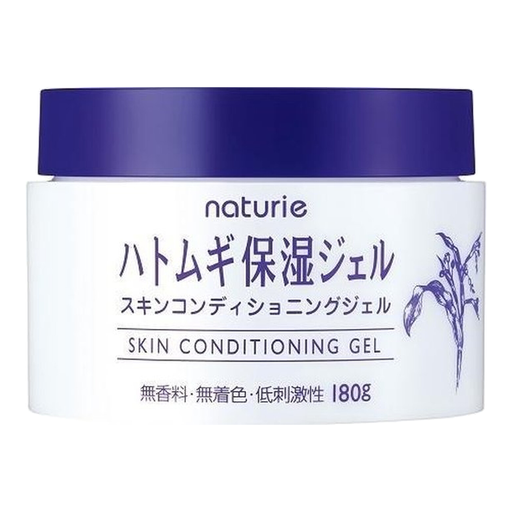
Why it suits this profile: According to the product description, the gel texture is designed for daily use on the face and body and feels lightweight and quick to absorb.
According to the listed specifications, the formula is free from alcohol, fragrance and colourants. This limits some unnecessary additives for anyone who wants to keep things simple.
180 g capacity, gel texture, suitable for oily, combination and sensitive skin according to the product details.
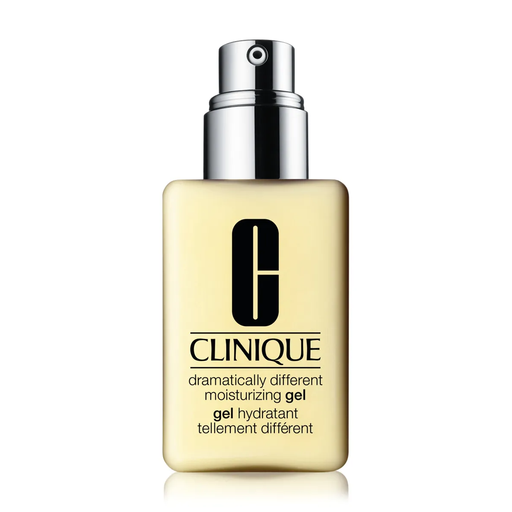
Why it suits this profile: According to the product details, the oil-free gel was developed for oily or combination skin and contains 125 ml for a consistent daily routine.
The product description explicitly mentions a lightweight, oil-free formula. Always check the current packaging and ingredients list.
125 ml, oil-free gel texture and, according to the specifications, fragrance-free and hypoallergenic.
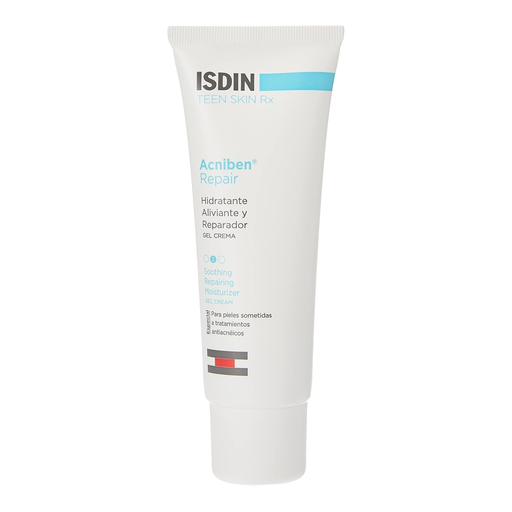
Why it suits this profile: According to the product information, this gel cream is designed for sensitive, blemish-prone skin and intended for skincare after dermatological treatments.
The formula is listed as fragrance-free and has a gel texture. This suits users who want to avoid heavy or strongly scented creams.
40 ml, fragrance-free formula according to the product specification and hyaluronic acid as a listed ingredient.
We’ve put together a complete, up-to-date list of products that fully meet these strict selection criteria and the applicable European safety regulations.
With oily skin, using more product does not automatically mean more hydration. Start with a thin layer and only apply a little more to areas that feel dry.
Start by looking for a lightweight gel or lotion with hydrating ingredients and without fragrance if you react quickly to scents. A product labelled hypoallergenic may be a practical starting point, but still test it on a small area of skin.
This depends on the amount of product and how much you use each time. A 40 to 50 ml pack will generally not last as long with daily use as a 100 ml pack or larger. Check the expiry information on the packaging and stop using the product if its fragrance, colour or texture changes noticeably.
Not always. If the mattifying cream also contains enough hydrating ingredients and feels comfortable, one product may be sufficient. If your skin feels tight after application, choose a hydrating face cream with a lightweight formula instead and consider using less product on areas prone to shine.
