
Vandaag of morgen in huis

Kwaliteit gegarandeerd

Welkomstaanbiedingen ontgrendelen: GRATIS bezorging | Tot 80% korting | Gratis 30 dagen JoyPlus-proefperiode
Download de app
A good face cream for men doesn’t have to be complicated. Yet the choice is vast: from a lightweight face gel for men to a rich cream for dry skin, with or without SPF. The right choice depends mainly on your skin type, when you’ll use it, and the ingredients your skin can tolerate.
Many poor purchases happen not because a product is bad, but because the formula doesn’t suit your daily routine. A heavy cream can feel unpleasant on oilier skin, while a light gel may not provide enough comfort for dry skin. Below, you’ll find out what to look for before you buy a hydrating face cream for men.
Terms like “anti-ageing”, “intensive hydration” and “restorative” sound clear, but they don’t always tell you how a product will work in your routine. So look at the ingredients list and the instructions for use. Glycerin, panthenol and hyaluronic acid are often used to lock in moisture. However, a brand claim remains just that – a claim from the brand.
According to NIVEA’s own research, for example, the Sensitive Face Gel offers up to 24 hours of hydration; the product information states this is based on an instrumental test with 37 men. Treat this as product information, not a personal guarantee.
A face cream with SPF can be handy for daily use, but the level of protection varies. SPF 15, SPF 30 and a product without SPF are not interchangeable. Also check whether UVA and UVB protection is clearly stated. For prolonged sun exposure, a separate sunscreen product is often more practical than relying on a day cream alone.
Also pay attention to how much you apply. A thin layer of day cream doesn’t automatically deliver the protection stated on the packaging.
Sensitive skin can react to fragrance, alcohol denat. or certain preservatives. “For sensitive skin” doesn’t mean every user will tolerate the product without issues. So always check the current ingredients list on the packaging and test a new product on a small area of skin first. Stop using it if irritation occurs.
The term “moisturiser for men” mainly describes the product’s purpose: to hydrate the skin. It is not a separate legal product category. So look at the formula, not just the name.
Hyaluronic acid, glycerin and panthenol are verifiable ingredients you can find in the INCI list. With an anti-ageing face cream for men, ingredients such as retinyl palmitate, niacinamide or antioxidants may also be mentioned. Don’t expect a medical effect. Claims about wrinkles, firmer skin or pigmentation spots come from the brand and can vary from person to person.
With products containing vitamin C, stability is especially important. According to the product description, the Medicube Deep Vita C Capsule Cream uses a separate capsule component and a gel component. With this type of product, always check the mixing instructions and shelf life after opening.
A day cream for men is typically used after cleansing, and possibly after shaving. A gel often absorbs quickly and suits a routine without many steps. A richer cream makes more sense when your skin feels tight or when cold and wind dry it out.
Also compare the size: packaging in this selection ranges from 30 ml to 125 ml. A larger pack isn’t automatically better value; divide the price by the number of millilitres and check the recommended amount.
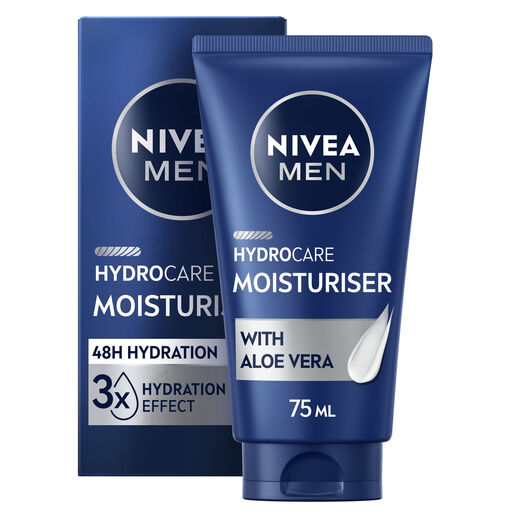
Why this suits the profile: A simple daily cream for normal and dry skin, with a 75 ml size and a light texture that, according to the product description, absorbs quickly.
The product information doesn’t mention a complicated routine: apply to a cleansed face and massage in. Do check the fragrance listing if your skin is sensitive.
Glycerin, panthenol and aloe vera are listed in the ingredients list; the cream is intended for normal and dry skin.
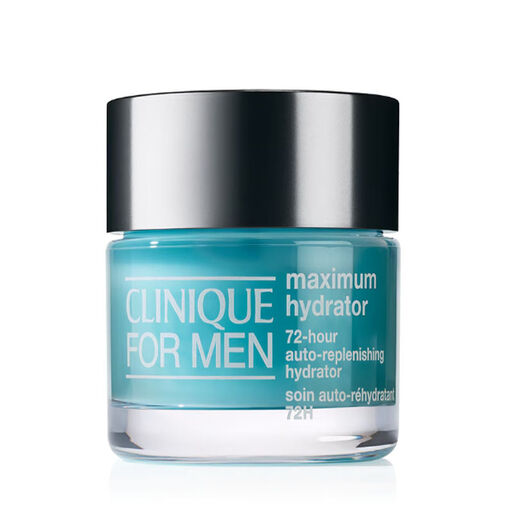
Why this suits the profile: The oil-free gel-cream is, according to the product information, intended for all skin types and contains hyaluronic acid.
The formula is fragrance-free according to the product data. That makes the ingredients list clearer for anyone who prefers to avoid perfume.
Oil-free gel-cream, 50 ml size and a fragrance-free formula according to the provided product specifications.
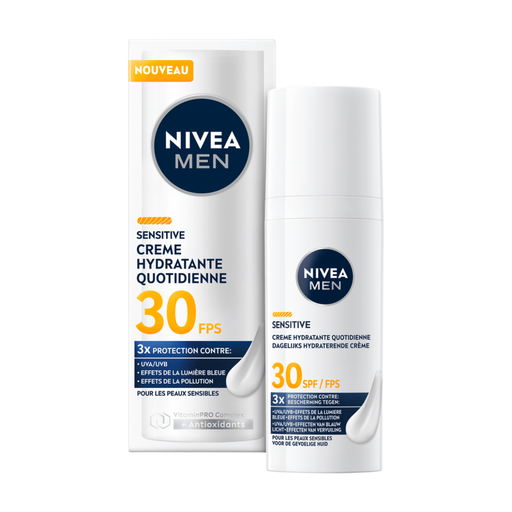
Why this suits the profile: Suitable for anyone who wants to combine hydration and SPF in one product during the day, especially for sensitive skin according to the product positioning.
The SPF value is clearly stated, so you don’t have to guess about the sun protection. Check whether additional sun protection is needed for outdoor activities.
SPF 30, 50 ml size and glycerin, panthenol and chamomile extract in the ingredients list.
If you particularly want a fresh texture, you could also look at a face gel for men, such as the NIVEA MEN Sensitive Skin & Beard Face Gel or a Clinique for Men moisturiser. For dry skin, a cream with more emollient ingredients is often a more logical starting point.
We’ve put together a full, up-to-date list of products that fully meet these strict selection criteria and comply with current European safety regulations.
Look for a richer, hydrating cream with ingredients such as glycerin, panthenol, shea butter or oils. A product for normal and dry skin, like NIVEA MEN Protect & Care, can be a practical starting point. Always check whether fragrance is suitable for you.
That depends on the SPF value, the amount of product you use and your sun exposure. A product with SPF 15 or SPF 30 can work for daily use, but for prolonged time outdoors, additional sun protection is often needed. Reapply according to the instructions on the sunscreen product.
That depends on the size and the amount you use per application. A 50 ml pack usually lasts longer than a 30 ml tube with daily use, but the exact duration varies. Use the recommended amount and check the shelf life information after opening.
