
Vandaag of morgen in huis

Kwaliteit gegarandeerd

Welkomstaanbiedingen ontgrendelen: GRATIS bezorging | Tot 80% korting | Gratis 30 dagen JoyPlus-proefperiode
Download de app
Pigmentation, dark spots and a dull complexion won’t disappear just because a jar says “glow” or “brightening”. If you’re looking for a face cream for dark spots, focus on the ingredients, texture and daily protection against UV radiation. A cream can care for the skin and help reduce the visibility of an uneven tone, but results vary by skin type and how you use it.
Brands use terms like “whitening”, “glow” and “spot-removing” in different ways. A brand’s own research or a product description may report certain changes, but such claims won’t apply the same way to everyone. Always check the full ingredients list and look for verifiable product details, such as the percentage of an ingredient, the volume and the directions for use.
A vitamin C cream, an AHA/BHA formula or a tranexamic acid cream can be interesting for an uneven tone, but using several active ingredients at once can feel uncomfortable. Sensitive or compromised skin especially needs a gradual introduction. A burning sensation, redness or swelling is not a sign that a product is “working extra well”. Stop if irritation occurs and, for persistent skin concerns, seek advice from a doctor or dermatologist.
Sunlight can contribute to the development or darkening of dark spots. A dark-spot cream without separate sun protection won’t solve that. During the day, choose a sunscreen with suitable UV protection. Some formulas with vitamin C, acids or other active ingredients can, according to the product warning, increase sensitivity to sunlight.
A niacinamide cream is often chosen for a more even-looking tone and to support the skin barrier. Vitamin C appears as pure vitamin C or as a derivative, such as ascorbyl glucoside. Stability and concentration can vary by formula. A tranexamic acid cream contains tranexamic acid as part of the formula; always check the stated percentage. For example, according to the ingredients list, AXIS-Y TXA 2.5% Intensive Brightening Cream contains 2.5% tranexamic acid.
Also look for supportive ingredients. Glycerine, panthenol, hyaluronic acid, squalane and ceramides suit a hydrating face cream. These substances don’t replace treatment for a medical skin condition, but they can contribute to a more comfortable feel.
A gel-cream often feels light and may suit combination or oily skin. A richer cream can be more comfortable for dry or mature skin. If you wear make-up, choose a product described as suitable under make-up. Sensitive skin? Check for fragrance, alcohol and essential oils. “Dermatologically tested”, “vegan” or “non-comedogenic” are product claims; check the source and the full packaging for the latest information.
Compare not only the price but also the volume: 40, 50, 60 or 75 ml gives a different usage amount. A tube is practical and generally limits contact with the contents. With a jar, hygienic use is important: wash your hands before applying cream. The expiry date and period-after-opening are shown on the packaging. Don’t use a product if its smell, colour or texture have clearly changed.
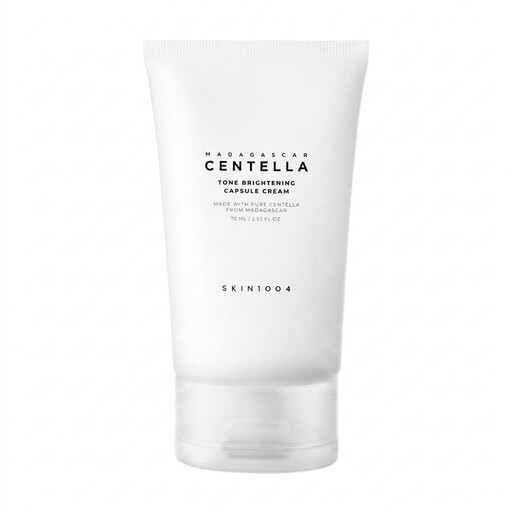
Why this suits the profile: According to the product information, this lightweight gel-cream contains niacinamide, tranexamic acid, centella and bisabolol. The 75 ml size is practical for daily use on normal, combination or sensitive skin.
The product information lists the key active ingredients and a fast-absorbing texture, so you don’t have to rely solely on a marketing term.
75 ml, gel texture, niacinamide and tranexamic acid in one daily face cream.
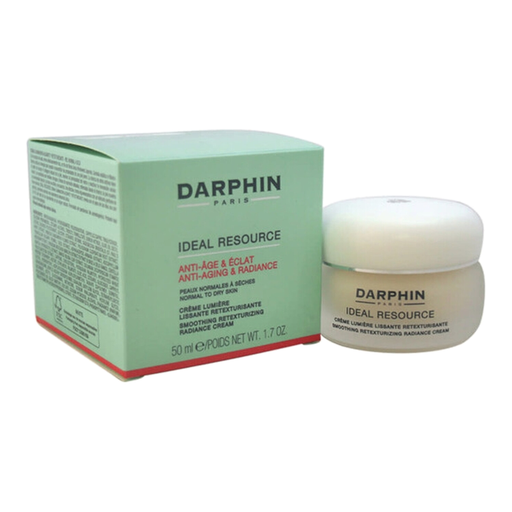
Why this suits the profile: If you value rich care and a luxurious experience above all, here you’ll find a 50 ml cream with flower extracts and a white floral fragrance, according to the product description.
The choice isn’t only about “radiance”; it’s also about the stated rich texture, volume and fragrance. That makes it easier to judge whether it fits your preferences.
Rich cream, 50 ml and flower extracts; aimed at smoother, more radiant-looking skin, according to the product description.
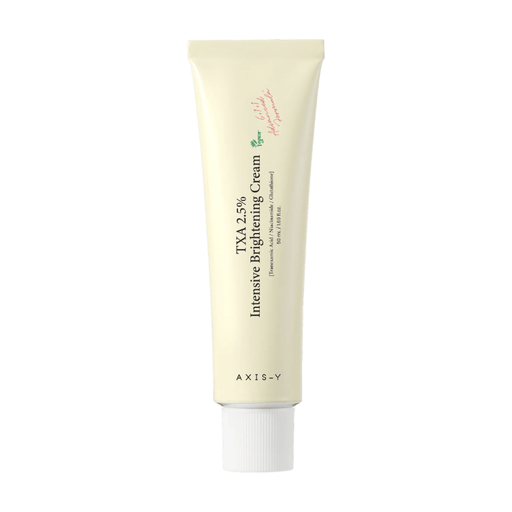
Why this suits the profile: This formula is interesting if you’re specifically looking for tranexamic acid. According to the ingredients list, the cream contains 2.5% tranexamic acid, niacinamide, panthenol, ceramide NP and multiple forms of hyaluronic acid.
The stated percentage of tranexamic acid makes the formula more verifiable than a general claim about “intensive brightening”. According to the usage information, sunscreen is recommended during the day.
2.5% tranexamic acid, 50 ml, niacinamide and ingredients for hydration and barrier care.
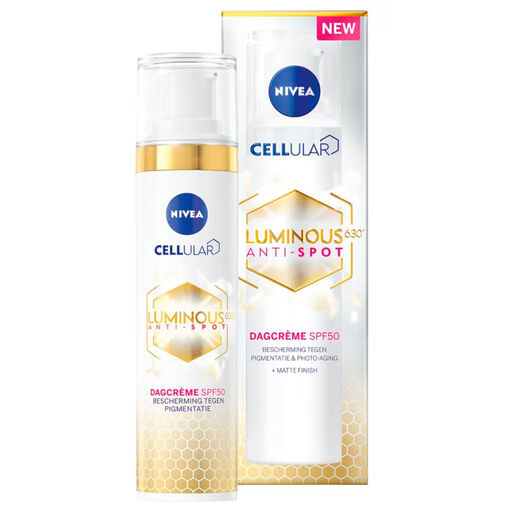
Why this suits the profile: According to the product information, this day cream combines SPF 50 with hyaluronic acid, vitamin E and the ingredient Thiamidol, as named by NIVEA. That’s ideal if you want a single morning product.
The UV factor is clearly stated. The results cited by NIVEA are based on their own research and a clinical study with 43 women; they aren’t automatically representative of every user.
SPF 50, 40 ml and a formula for all skin types, according to the product data.
We’ve compiled a complete, up-to-date list of products that fully meet these strict selection criteria and comply with current European safety regulations.
Patience is usually needed. The visibility of spots is linked to sun exposure, skin type and the cause of the discolouration. Brand claims, such as a visible result after a certain number of weeks, are based on that brand’s own research. They aren’t a guarantee for every user.
That can work in some routines, but start gently. Follow the directions, add one product at a time and watch for irritation. A simple routine with a hydrating face cream and daily UV protection is often easier to manage than using several active products at once.
Check the expiry date and the period-after-opening symbol on the packaging. Store the cream as instructed, usually tightly closed and out of direct sunlight. A changed smell, colour or texture is a reason to stop using the product.
