
Vandaag of morgen in huis

Kwaliteit gegarandeerd

Welkomstaanbiedingen ontgrendelen: GRATIS bezorging | Tot 80% korting | Gratis 30 dagen JoyPlus-proefperiode
Download de app
A tight feeling after cleansing, flaky patches around the nose or a cream that seems to have disappeared after just an hour: dry skin needs more than attractive packaging and a promise of “intense hydration”. If you are buying a face cream for dry skin, it is worth looking at the formula, texture and intended use first.
A body cream may feel pleasant on dry arms or legs, but it is not automatically suitable for the face. Facial skin often reacts differently to fragrance, essential oils and rich textures. The 200 ml Sence Bodycream Coconut, for example, is intended for the body and has a coconut fragrance. Therefore, do not use this product as a face cream without checking the packaging.
A hydrating face cream can contain several types of ingredients. Glycerine and hyaluronic acid help attract moisture, while oils, waxes, silicones and fatty acids can make the skin feel more comfortable. For dry skin, the combination is often more important than one stand-out ingredient.
A product containing a high concentration of hyaluronic acid is therefore not automatically enough for very dry skin. Without nourishing or sealing ingredients, the result may feel less comfortable, particularly in cold, dry weather.
Acids, fragrances and essential oils are not pleasant for everyone. Topicrem AH Theavit Renewing Cream contains glycolic acid and, according to the product description, is intended for exfoliation and anti-ageing care. This makes it a different choice from a simple moisturiser for everyday comfort.
When choosing a face cream for sensitive skin, it is sensible to check the full ingredients list first and try a small amount on a limited area of skin. Stop using it if redness, swelling or irritation occurs, and follow the safety information on the packaging.
Look out for ingredients such as glycerine, betaine, panthenol and hyaluronic acid. These substances are widely used in cosmetics to attract moisture or help the skin feel more comfortable. A hyaluronic acid cream can feel light and fresh, but the final texture depends on the complete formula.
The 100 g Hyaluronic Acid Intensive Cream contains, among other ingredients, glycerine, betaine and sodium hyaluronate. These are verifiable ingredients based on the product list provided.
If you are looking for a skin barrier cream or a ceramide cream, look for ceramides, cholesterol, squalane, fatty acids and panthenol. These ingredients are often used in formulas designed to leave the skin feeling supple and protected.
According to its ingredients list, The Ceramide Skin Barrier Moisturizer contains several ceramides, cholesterol, squalane, panthenol and different forms of hyaluronic acid. Dr. Althea 147 Barrier Cream also lists ceramides and seven types of hyaluronic acid in its product description. Claims such as “strengthens the barrier” are product claims; practical suitability depends on your skin, how you use the product and your tolerance.
A rich cream can be pleasant at night or for very dry skin, while a gel cream may work better under make-up or sunscreen. Also check the size: 40, 50, 75 or 100 ml can make a difference to the price per use.
A day and night cream does not always have to mean two different products. A cream that can be used both in the morning and evening may be more practical. During the day, sunscreen remains a separate step when your skin is exposed to UV light.
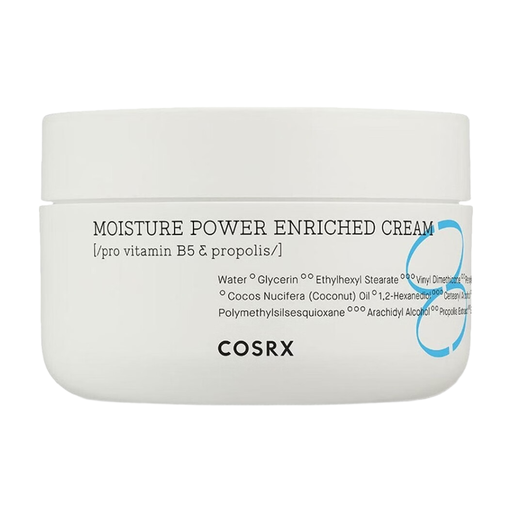
Why it suits this profile: A compact face cream for anyone looking for an everyday formula for dry or sensitive skin, without immediately having to buy several products.
The product description lists glycerine, hyaluronic acid, panthenol and ceramide NP. This means you can assess the formula rather than focusing only on the word “intensive”.
50 ml; contains glycerine, panthenol, propolis extract and ceramide NP; suitable for morning and evening use according to the product information.
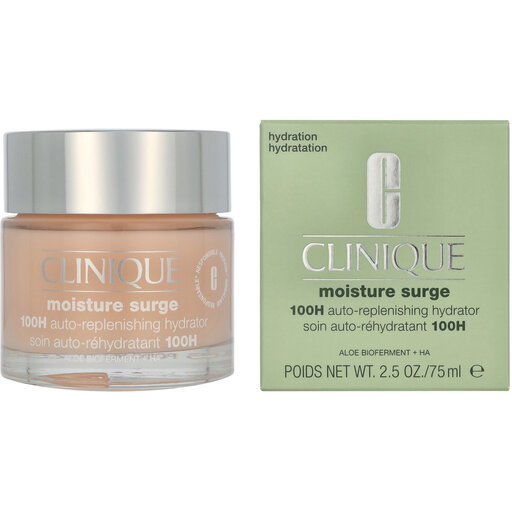
Why it suits this profile: Ideal for anyone wanting a lightweight gel cream that can be worn under make-up during the day or used as an additional mask.
According to the product information, the formula is oil-free, fragrance-free and non-comedogenic. The stated “100 hours” is a brand claim; you should also assess the ingredients and texture.
75 ml; gel cream; fragrance-free according to the product specifications; suitable for use as a moisturiser, primer or mask.

Why it suits this profile: Designed for shoppers specifically looking for ceramides, cholesterol, squalane and several forms of hyaluronic acid.
The ingredients list is detailed and verifiable. The packaging also highlights a patch test, particularly for sensitive skin.
80 ml; contains ceramide NP, NS, AP, AS and EOP; also contains cholesterol, squalane, panthenol and hyaluronic acid.
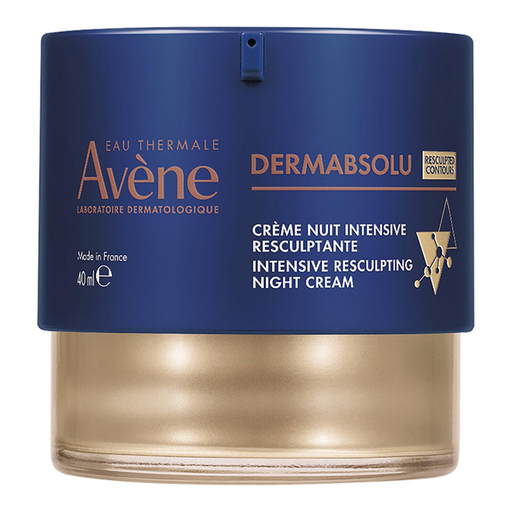
Why it suits this profile: A rich night cream for anyone looking for comfort and nourishing care for mature or dry skin.
The recommended time of use and skin concern are clearly defined: evening care for mature skin. This makes it a more targeted choice than a general anti-ageing face cream.
40 ml; night cream; according to the product description, contains bakuchiol, pro-ceramides and niacinamide; can also be used as a short-contact mask.
We have put together a complete, up-to-date list of products that fully meet these strict selection criteria and the applicable European safety regulations.
A rich nourishing face cream is particularly suitable when your skin feels tight or rough. A lighter gel cream may feel more comfortable if heavier layers quickly feel uncomfortable. Fragrance and essential oils can enhance the sensory experience, but they are not necessary for hydration. For sensitive skin, choosing a fragrance-free product may therefore be a practical requirement.
Look for a combination of humectants, nourishing oils and barrier-supporting ingredients such as ceramides, panthenol or squalane. For very dry skin, a cream with a richer texture is often a good choice for the evening. Always check the ingredients and warnings.
Not always. One face cream may be enough for morning and evening if the texture feels comfortable and the product information confirms this. During the day, add a separate sunscreen. A night cream is particularly useful if you want to use a richer formula in the evening.
Check the expiry date and the period after opening on the packaging. Store the cream somewhere cool and dry, away from direct sunlight. Do not use a product if its smell has changed, it has become discoloured or its texture has clearly altered. If irritation occurs, stop using it and follow the safety instructions.
