
Vandaag of morgen in huis

Kwaliteit gegarandeerd

Welkomstaanbiedingen ontgrendelen: GRATIS bezorging | Tot 80% korting | Gratis 30 dagen JoyPlus-proefperiode
Download de app
A face cream for dry and sensitive skin needs to do more than leave your skin feeling soft for a short while. In the Netherlands, cold weather, wind, dry indoor heating and frequent cleansing can make your skin feel even tighter. At the same time, not every hydrating face cream is suitable for skin that reacts easily.
So your choice should be about more than words such as “intensive”, “soothing” or “barrier repair”. Pay particular attention to the ingredients, texture, directions for use and warnings on the packaging.
Terms such as “restorative”, “anti-ageing” and “glow” often describe how a product is positioned, but they don’t automatically tell you how your skin will respond. For example, a brand’s own research may indicate that a product reduces the appearance of fine lines caused by dryness or redness. That isn’t a universal guarantee.
So look for information you can check, such as:
A cream containing retinol, vitamin C, niacinamide, exfoliating acids and several plant extracts may sound appealing. But for sensitive skin, a complex formula doesn’t automatically mean greater comfort.
If your skin is already dry or your skin barrier is weakened, it’s better to start with a simple moisturiser for dry skin. Introduce active products gradually, and don’t use several new formulas at the same time.
A gel cream feels pleasant, but may not provide enough of a protective layer for very dry skin. A rich cream, on the other hand, may feel too heavy on combination skin. The right texture depends on the season, how dry your skin is and the rest of your routine.
Ceramides are lipids that occur naturally in the outer layer of the skin. In cosmetics, they’re used in formulas designed to support the skin barrier and help limit moisture loss. A ceramide cream is particularly worth considering if your skin feels tight or gets dry soon after cleansing.
Options in the range include The Ceramide Skin Barrier Moisturizer and ANUA 3 Ceramide Panthenol Moisture Barrier Cream. Always check the current ingredients list on the packaging, as formulas can change.
Glycerine and hyaluronic acid help the skin retain moisture. Hyaluronic acid comes in different molecular sizes. Having several forms in a product doesn’t guarantee better results, but they can be part of a hydrating formula.
Panthenol is often used in products designed to leave skin feeling comfortable and cared for. For dry skin, a moisturising cream will usually feel more comfortable if you apply it to slightly damp skin and, if needed, follow with a richer layer.
Cica cream usually refers to a formula containing Centella Asiatica. Brands often position cica as part of a soothing skincare routine. For example, a brand’s own research may indicate that a product with cica helps skin feel more comfortable or look calmer. Don’t take this to mean it has a medical effect.
Pay particular attention to fragrance and essential oils if your skin reacts easily. According to the product information, the Skin1004 Madagascar Centella Cream contains lavender oil and orange oil, among other ingredients. The Medicube Salmon DNA PDRN Pink Hyaluronic Moisturizing Cream lists fragrance. This doesn’t automatically make these products unsuitable, but it is useful information to consider when making your choice.
Use this quick checklist before you order:
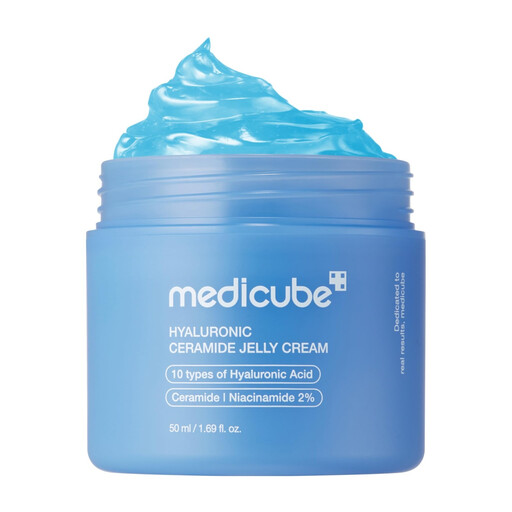
Why it suits this profile: The lightweight jelly texture is a practical choice for beginners who want hydration without a heavy layer on their skin.
The product information lists specific ingredients such as glycerine, panthenol, squalane, hyaluronic acid and ceramide NP, rather than making only a general claim about hydration.
50 ml; gel cream; contains ceramide NP, squalane and hyaluronic acid; suitable for daily use according to the product information.
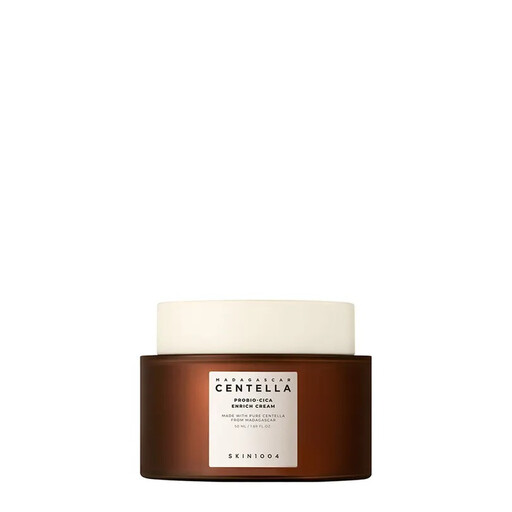
Why it suits this profile: A good fit if you’re looking for a richer Korean skincare cream with ceramide NP, cica-related ingredients and a nourishing texture.
The product description lists the formula, the 50 ml size and its use as the final step in your routine. This helps you get a more realistic idea of the texture and how to use it before buying.
50 ml; contains Centella Asiatica, shea butter and ceramide NP; described as vegan and cruelty-free according to the product information.

Why it suits this profile: An option to compare if you’re specifically looking for a restorative barrier cream with multiple ceramides, cholesterol and phytosphingosine.
The ingredients list is detailed and easy to check. The formula lists ceramides, squalane, panthenol and hyaluronic acid, so you don’t have to rely solely on the claims on the packaging.
80 ml; contains ceramide NP, NS, AP, AS and EOP according to the product information; described by the manufacturer as hypoallergenic and non-comedogenic.
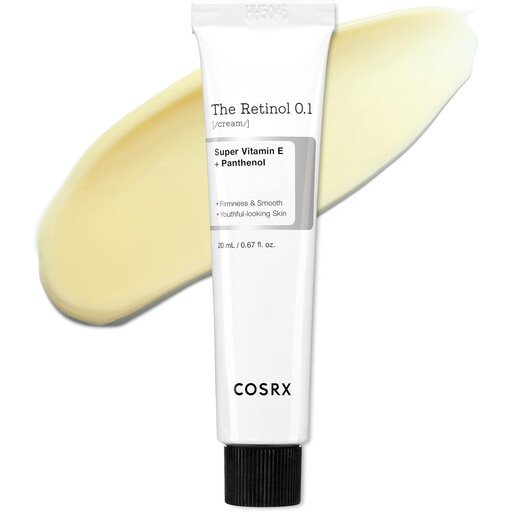
Why it suits this profile: For anyone looking to add an anti-ageing face cream with 0.1% retinol to a gentle, step-by-step routine alongside hydration.
The product information specifies 0.1% retinol and recommends introducing it gradually. This helps you avoid using an active ingredient every day from the outset without considering your skin’s tolerance.
20 ml; contains 0.1% retinol, panthenol and hydrating ingredients according to the product information; start by using it a few evenings a week.
We’ve put together a full, up-to-date list of products that meet these strict selection criteria and the applicable European safety regulations.
Look for a formula with humectants such as glycerine or hyaluronic acid, alongside ingredients that support the skin barrier, such as ceramides, squalane or panthenol. If your skin reacts easily, it’s best to avoid introducing several new active products at once. Patch testing is still a sensible precaution.
A moisturiser for dry skin is usually applied once or twice a day, after cleansing and, if you use one, after a serum. Follow the directions for the specific product. Sun protection should be part of your daytime routine, especially if you use retinol.
It depends on your tolerance, but start cautiously. Use a small amount a few evenings a week, don’t combine it straight away with other strong active ingredients, and stop if irritation persists. If you have severe or recurring skin problems, it’s more appropriate to seek advice from a doctor or dermatologist than to experiment on your own.
