
Vandaag of morgen in huis

Kwaliteit gegarandeerd

Welkomstaanbiedingen ontgrendelen: GRATIS bezorging | Tot 80% korting | Gratis 30 dagen JoyPlus-proefperiode
Download de app
Dry or sensitive skin doesn’t automatically need the most expensive pot of cream. What matters is looking beyond words like “intensive”, “restorative” or “soothing”. Such terms mean little if the ingredients list, texture and usage instructions don’t suit your skin.
As Joybuy Product Recommendation Officer, I filter product information by practical points: which ingredients appear at the top of the list, whether the formula contains perfume and whether the cream is intended for the face. With this approach, you can compare a face cream for dry and sensitive skin on verifiable features rather than marketing claims.
A rich body cream may feel lovely on dry hands, elbows or legs, but it isn’t automatically suitable for the face. The skin on your face can react differently to a heavy texture, perfume or certain oils. Always check the stated area of use.
For example, the NIVEA Repair & Care Urea Body Cream is formulated for the body. The product description lists glycerine, urea, provitamin B5 and perfume. That makes it an option for very dry body parts, but not automatically a moisturiser for dry skin on the face.
A soothing face cream can still contain fragrances or essential oils. If you react quickly to perfume, look out for terms like Parfum, Fragrance, limonene, linalool, lavender oil or citrus oil. A fragrance-free face cream isn’t necessarily suitable for everyone, but it does avoid one common source of sensitivity.
According to the product information, hyaluronic acid helps bind moisture to the skin, but a good cream often also needs emollient or occlusive ingredients. Think of glycerine, squalane, shea butter, dimethicone or fatty acids. Ceramides are interesting for a skin barrier cream, but the overall formula and how your skin feels remain decisive.
For dry skin, humectants such as glycerine, betaine, panthenol and hyaluronic acid are useful for drawing in moisture. Emollients like squalane, shea butter and certain fatty acids soften the skin. An occlusive ingredient, such as dimethicone, can help reduce moisture loss at the skin’s surface.
A hyaluronic acid cream often feels light and fresh. If your skin feels tight, a richer formula with oils, butters or silicones may be more comfortable, especially in winter or indoors with dry heating.
A ceramide cream contains lipids that naturally occur in the skin. In the product information for The Ceramide Skin Barrier Moisturizer, you’ll find multiple ceramides, cholesterol, phytosphingosine, panthenol and various forms of hyaluronic acid. That’s a clear formula choice for anyone seeking moisture and barrier comfort.
Beta-glucan, ectoin, panthenol and centella asiatica also frequently appear in Korean skincare creams. According to the product descriptions, these ingredients are used for hydration and a comfortable skin feel. Treat this as information about the formula, not as a medical effect.
Sensitive skin doesn’t always tolerate a thick cream better. A gel cream can be more pleasant for combination or dehydrated skin, while a full cream suits flaky skin and dryness better.
Also check:
Cosmetics sold in the European Union must include mandatory product information and safety warnings. That doesn’t mean every formula suits every skin. Stop if you experience persistent redness, swelling or irritation, and seek advice from a doctor or dermatologist if needed.
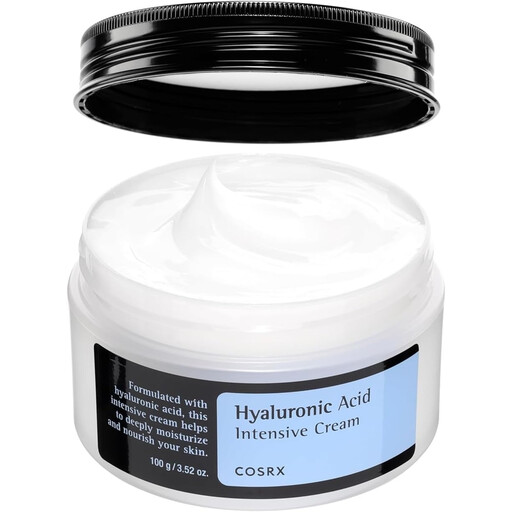
Why this suits the profile: A straightforward choice for anyone looking for a nourishing day and night cream with glycerine, betaine, sodium hyaluronate and emollient oils.
The product information states that it is for use on the face and lists the full ingredients, so you don’t have to rely solely on the term “hyaluronic acid”.
100 g content; glycerine, betaine, sodium hyaluronate and allantoin in the stated formula.

Why this suits the profile: For anyone specifically looking for a skin barrier cream with ceramides, cholesterol, panthenol and multiple forms of hyaluronic acid.
The formula can be verified via the ingredients list, and the product page recommends a patch test, especially for sensitive skin.
80 ml; ceramide NP, NS, AP, AS and EOP; perfume is not listed in the stated ingredients.
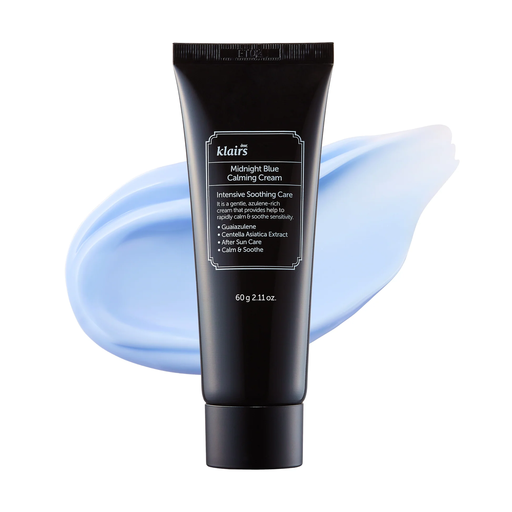
Why this suits the profile: Handy for anyone who is looking for a fragrance-free face cream for specific sensitive areas and mainly wants to use it in the evening.
The description mentions use as the last step in an evening routine and applying a small amount to sensitive areas, rather than a heavy layer over the whole face.
60 g; centella asiatica, ceramide NP, glycerine and sodium hyaluronate; fragrance-free according to the product description.
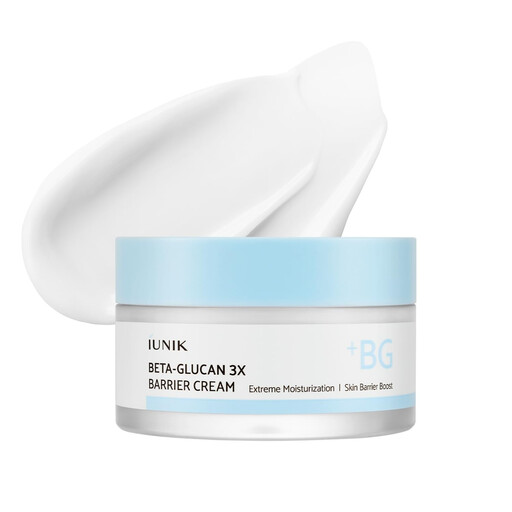
Why this suits the profile: The product description positions this cream as a fast-absorbing formula with beta-glucan, ectoin and panthenol.
The texture is explicitly described as rich but fast-absorbing. Always check whether that feel suits your skin and climate.
50 ml; 10,000 ppm beta-glucan according to the product information; free from synthetic fragrance according to the description.
We’ve put together a full, up-to-date list of products that fully meet these strict selection criteria and comply with current European safety regulations.
First, look for a combination of glycerine, panthenol, hyaluronic acid, ceramides and emollient ingredients. If your skin reacts quickly, choose a formula without perfume and test a small amount on a limited area of skin.
That depends on the usage instructions and how your skin feels. Many moisturisers are intended for both morning and evening. During the day, apply a sun protection product after your cream when you go outside. A rich night cream may feel less comfortable under make-up during the day.
Follow the use-by date and the period-after-opening symbol on the packaging. Close a pot or tube properly, store the cream in a cool, dry place and avoid direct sunlight. If the smell, colour or texture clearly changes, stop using the product.
