
Vandaag of morgen in huis

Kwaliteit gegarandeerd

Welkomstaanbiedingen ontgrendelen: GRATIS bezorging | Tot 80% korting | Gratis 30 dagen JoyPlus-proefperiode
Download de app
A dry or sensitive skin doesn’t automatically call for the thickest cream on the shelf. A product can feel rich, yet still be less suitable if it contains fragrance, is too heavy for your skin type, or relies heavily on flashy marketing claims. When you’re looking for a face cream for dry and sensitive skin, it’s worth comparing ingredients, texture and intended use side by side.
Terms like “72-hour hydration”, “repair” or “deep action” sound concrete, but the evidence behind them varies from brand to brand. According to NIVEA’s own research, the 72-hour claim was based on a self-assessment by 41 volunteers after two weeks of use. That’s not the same as a universal result for every user.
So, look closely at the ingredients list and skin tolerance information. A hydrating face cream with glycerine, panthenol, hyaluronic acid or ceramides can be a logical choice, but individual reactions are still possible.
A Korean skincare cream can contain interesting ingredients, such as centella asiatica, panthenol and ceramides. However, the origin doesn’t automatically mean a product is suitable for every sensitive skin. Essential oils and fragrances can also appear in natural cosmetics.
Always check the full ingredients list. For a reactive skin, a fragrance-free moisturiser for sensitive skin is often a practical starting point.
A very rich cream for dry skin can feel pleasant when your skin feels tight, but it may become uncomfortable on combination or oilier skin. A gel cream feels lighter, but may feel less occlusive on a very dry skin.
Choose your texture based on your daily situation:
A cream for dry skin often contains humectants and emollients. Glycerine, hyaluronic acid and betaine help attract or retain moisture in the upper skin layers. Oils, squalane, shea butter and fatty alcohols mainly contribute to a comfortable skin feel.
Pay attention to where an ingredient appears on the INCI list. The order generally gives an indication of the amount, but it doesn’t on its own tell you how your skin will react.
If you’re looking for a skin barrier cream or ceramide cream, look out for ceramide NP, ceramide AP, ceramide EOP, cholesterol and phytosphingosine. These ingredients appear in various products in the range. Panthenol, centella asiatica and beta-glucan are also often used in formulas aimed at comfort and hydration.
“Supports the skin barrier” is a cosmetic description, not a medical treatment. If irritation, swelling or itching persists, it’s wise to stop using the product and seek professional advice.
A sensitive skin doesn’t always tolerate the same ingredients as a normal skin. Products with fragrance, lavender oil, citrus oil or eucalyptus oil therefore deserve extra attention. Apply a new cream to a small area of skin first and wait to see how your skin reacts.
Use the cream according to the label, avoid contact with the eyes, and check the expiry date and batch information on the packaging.
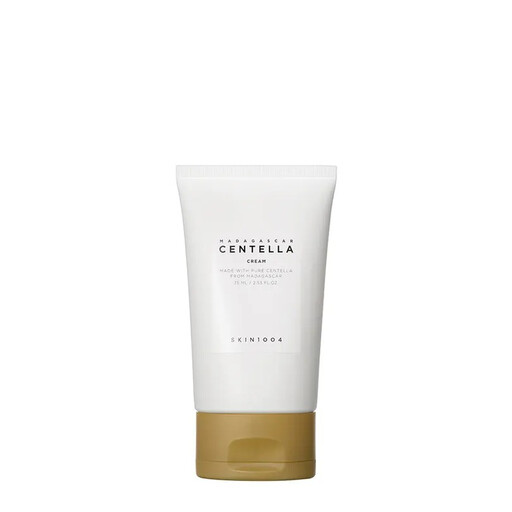
Why it fits this profile: According to the product information, this light cream contains centella asiatica, panthenol, niacinamide and ceramide NP. The texture is intended for daily use on normal or sensitive skin.
The product description mentions fast absorption and a light formula. However, do check for the presence of lavender and orange oil if you prefer to avoid fragrance-like ingredients.
75 ml; centella asiatica, panthenol, niacinamide and ceramide NP in the ingredients list.
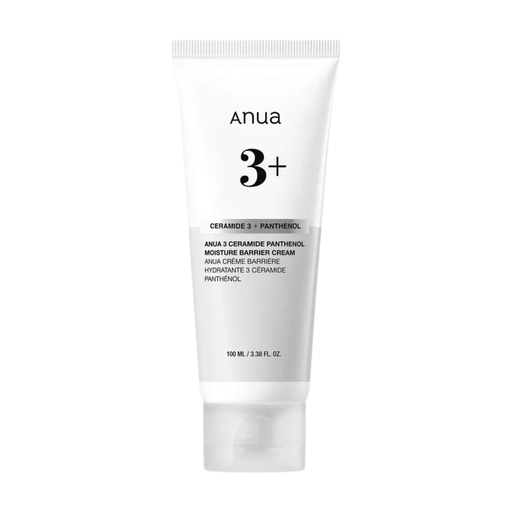
Why it fits this profile: The 100 ml packaging and the combination of panthenol, three ceramides, glycerine, squalane and hyaluronic acid suit an extensive morning and evening routine.
The formula isn’t based on just one trendy ingredient. The product information mentions, among other things, a non-irritating and non-comedogenic formula, though a patch test is still advisable.
100 ml; ceramide NP, AP and EOP; panthenol, centella asiatica and hyaluronic acid.
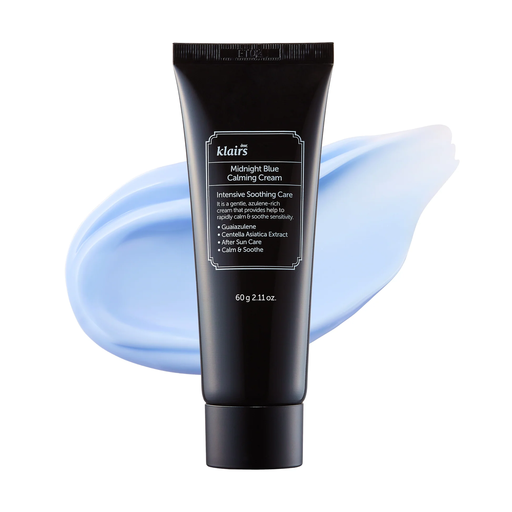
Why it fits this profile: According to the product description, the fragrance-free formula is intended as a light cream for the final step of an evening routine, with centella asiatica, ceramide NP and sodium hyaluronate.
The description states no fragrance, so you can avoid a common trigger. The cream is intended for targeted use; don’t apply a large amount unless necessary.
60 g; fragrance-free according to the product information; centella asiatica, ceramide NP and sodium hyaluronate.
We’ve put together a full, up-to-date list of products that fully meet these strict selection criteria and comply with current European safety regulations.
Look for a combination of hydrating substances, soothing ingredients and a texture that feels comfortable. Ceramides, glycerine, panthenol, squalane and hyaluronic acid are useful search terms. For a reactive skin, first avoid products with a lot of fragrance or essential oils.
Use the cream after cleansing and any serums. Apply a suitable amount to skin that is still slightly damp and spread it without rubbing hard. During the day, follow with sun protection as the final step. Always test new products on a small area first.
That depends on the volume and the amount used each time. A product of 50 to 60 ml generally lasts less long with daily use than a pack of 80 to 100 ml. Always check the shelf life after opening and the date on the packaging. Stop using it sooner if the smell, colour or texture changes noticeably.
