
Vandaag of morgen in huis

Kwaliteit gegarandeerd

Welkomstaanbiedingen ontgrendelen: GRATIS bezorging | Tot 80% korting | Gratis 30 dagen JoyPlus-proefperiode
Download de app
Dark spots, patches of pigmentation and a dull complexion can have various causes, such as sun exposure, hormonal changes or marks left after blemishes. A face cream for dark spots can help you tailor your skincare routine, but not every pigmentation cream is right for every skin type.
Marketing can sometimes make choosing a product more difficult. Words such as “brightening”, “glow” and “dark spot corrector” don’t tell you much on their own. Instead, focus on the ingredients list, sun protection and texture. This can help you avoid buying a product that’s too strong, doesn’t offer enough protection or doesn’t feel comfortable enough for everyday use.
UV rays can contribute to dark spots remaining visible or appearing again. A cream for a more even-looking complexion without SPF doesn’t replace a separate sunscreen. A day cream with SPF can be convenient, but always check the stated protection factor and make sure you apply enough product.
According to the product information, NIVEA Cellular LUMINOUS630 Anti-Pigment Day Cream contains SPF 50 and UVA/UVB filters. The product description also mentions results from a clinical study involving 43 women, according to the brand. Treat this as a claim made by NIVEA, not as a universal guarantee for every skin type.
Vitamin C, niacinamide, acids and tranexamic acid are often found in creams for hyperpigmentation. Combining them can be appealing, but using several potent products in one routine may also feel uncomfortable. Start with one new product and introduce it gradually.
Pay particular attention to AHA, BHA and PHA. Products containing these acids may increase sensitivity to sunlight. Some By Mi, for example, makes this especially clear when describing its AHA-BHA-PHA cream. During the day, it’s particularly important to use a separate sunscreen with an appropriate SPF.
“Brightening cream” doesn’t automatically mean a product is right for your skin. Check whether the formula suits dry, oily, combination, sensitive or acne-prone skin. If your skin reacts easily, also look out for fragrance, essential oils and alcohol.
It’s a good idea to patch test on a small area of skin. Stop using the product if you experience irritation, redness, swelling or a burning sensation, and follow the safety information on the packaging.
For daytime use, the SPF, UVA protection and directions for use are important details. According to the product information, SKEYNDOR Urban White Shield Day Cream has SPF 20. This can provide additional protection, but if you spend a lot of time outdoors, a separate sunscreen with a higher SPF may be more practical.
According to the label, NIVEA LUMINOUS630 Day Cream has SPF 50. This lets you combine a pigmentation skincare routine with a higher stated level of UV protection. Check that you apply the amount used when the SPF was tested.
When comparing a cream for dark spots, look out for these ingredients:
A lightweight gel cream may feel comfortable on oily or combination skin, while a richer cream may suit dry skin better. Check the size too: the products in this selection range from 30 ml to 75 ml. Check the packaging for the expiry date and the period after opening, for example 12M where stated.
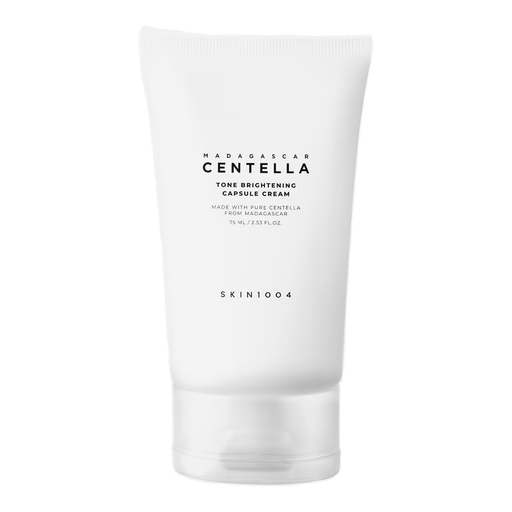
Why it suits this profile: This lightweight gel cream is designed for everyday use and comes in a 75 ml size. The product information lists dry, combination, sensitive, normal, oily and acne-prone skin as suitable skin types.
The formula lists niacinamide and tranexamic acid, with their concentration ranges stated. This means you can check the ingredients rather than choosing based only on “glow”.
60% Centella asiatica according to the product information; 4–4.9% niacinamide; 1.6–2% tranexamic acid; alcohol- and fragrance-free according to the product specifications.
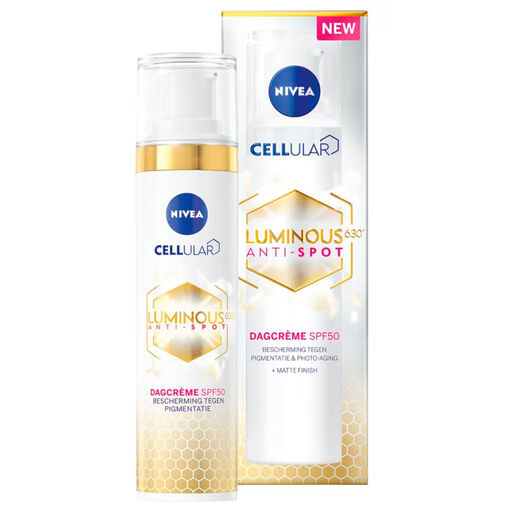
Why it suits this profile: This day cream is a good choice if you want to combine pigmentation care and UV protection in one morning step.
SPF 50 is clearly stated in the product name, and the formula lists UVA/UVB filters. This means you can check the protection factor before you buy.
40 ml; SPF 50; according to the ingredients list, it contains the niacinamide-like branded ingredient Thiamidol, hyaluronic acid and vitamin E.
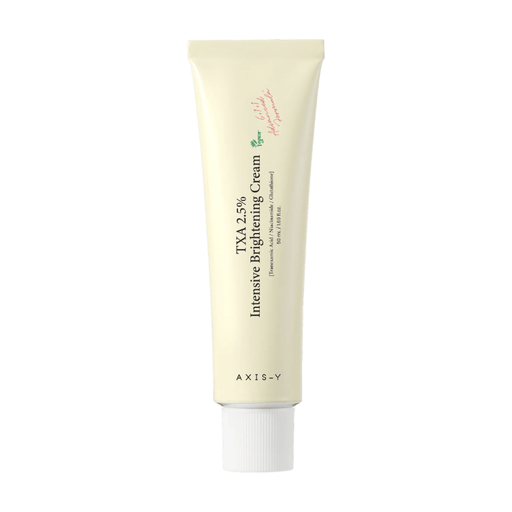
Why it suits this profile: A good choice if you’re specifically looking for tranexamic acid and niacinamide, and want to use a separate cream alongside a simple basic routine.
The product name and ingredients list state that it contains 2.5% tranexamic acid. This tells you which ingredient is the focus, so you can avoid or space out other active products more easily.
50 ml; 2.5% tranexamic acid; niacinamide, panthenol, ceramide NP and hyaluronic acid are listed in the ingredients.
We’ve put together a complete, up-to-date list of products that meet these strict selection criteria and current European safety requirements.
For blemish marks, you could consider a product with salicylic acid, such as Murad Deep Relief Blemish Treatment, which the product description states contains 2% salicylic acid. Use a product like this on targeted areas rather than automatically applying it all over your face. If you have persistent or severe skin problems, it’s more appropriate to seek advice from a GP or dermatologist than to keep trying new cosmetics.
An immediately visible effect isn’t guaranteed. Skin takes time to renew itself, and results vary from person to person and depend on the product and cause of the discolouration. Follow the directions for use and make a fair comparison after using the product consistently for a few weeks.
That depends on the formulas, but start carefully. Try one product first and see how your skin reacts. If you experience redness or irritation, stop using it temporarily. UV protection is still important during the day, particularly when using products with acids or vitamin C ingredients.
That depends on the size and how much you use each time. With daily use, a 50 to 75 ml product will generally last longer than a 15 to 30 ml tube. Store the cream in a cool, dry place away from direct sunlight, and follow the shelf-life information on the packaging.
