
Vandaag of morgen in huis

Kwaliteit gegarandeerd

Welkomstaanbiedingen ontgrendelen: GRATIS bezorging | Tot 80% korting | Gratis 30 dagen JoyPlus-proefperiode
Download de app
Dark spots, pigmentation and leftover acne marks can feel stubborn. A pretty jar or the word “brightening” on the label doesn’t tell you much about whether it’s right for your skin. If you pick up any old dark spot cream, you’ll often run into three problems: a formula that’s too heavy, active ingredients that cause irritation, or a day cream without enough UV protection.
This guide will help you choose a face cream for dark spots based on ingredients, skin type, when you’ll use it, and product information. The features mentioned are based on the available product descriptions and ingredient lists. Brand claims about visible results are not presented as guaranteed outcomes.
Words like “glow”, “brightening” and “dark spot corrector” don’t always mean the same thing. A product might be mainly hydrating, offer a tinted coverage, or be intended as a spot treatment. So check whether you’re buying a full face cream, a night cream or a spot treatment.
Pigmentation can become more noticeable with exposure to UV radiation. A night cream usually doesn’t contain a sunscreen filter. During the day, use a suitable sunscreen instead. Some day products combine care with SPF 30, but always check the instructions and apply enough product.
Niacinamide, vitamin C, acids and plant extracts often appear together in Korean skincare. That can be interesting, but using several new products at the same time makes it hard to tell what’s causing redness or a tight feeling. Start with one new product and test it on a small area of skin first.
Look out for ingredients that are specifically mentioned in the product description for a more even-looking skin:
An ingredient on the list is no guarantee of a particular result. Also look at the overall formula, fragrances and potential allergens.
A rich cream can feel nice on dry or mature skin, but less comfortable on oilier combination skin. A gel cream or light lotion often suits a shiny skin better. For sensitive skin, a short ingredient list, a fragrance-free formula and a patch test are useful points to consider.
If you’re mainly treating breakouts, you might be better off with a face cream for acne or a spot treatment than with a general dark spot cream. Acne and dark spots aren’t the same target. So choose based on what you want to treat right now.
A daily cream is usually applied to the face and sometimes the neck. A spot treatment is used only on individual areas. Skeyndor Urban White Spots Eraser Cream, for example, is intended for spot application according to the product description. AC Collection Ultimate Spot Cream and SKIN1004 Tea-Trica Spot Cream also target specific problem zones.
Always follow the dosage, warnings and shelf life on the packaging. Stop if irritation persists, and seek advice from a doctor or dermatologist for any suspicious or changing spots.
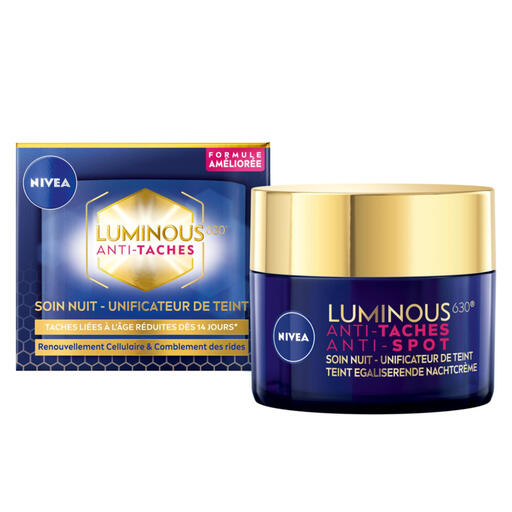
Why this fits the profile: A night cream is straightforward to use: cleanse, apply, and no need to worry about day make-up or sunscreen in the same step.
The product description clearly states night use, LUMINOUS630 and hyaluronic acid. This makes the purpose of this dark spot cream clear.
50 ml, glycerin and sodium hyaluronate in the ingredient list; suitable for use on face, neck and décolletage according to the description.
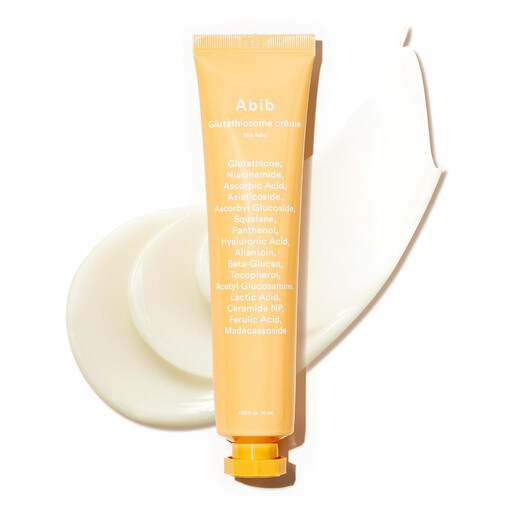
Why this fits the profile: The tube works for both a morning and evening routine and offers a richer texture for dry or tired-looking skin.
The description names the key caring components, including glutathiosome, niacinamide, vitamin C, panthenol and hyaluronic acid.
75 ml content; can be used on dry areas or the whole face; fits into a Korean skincare routine.
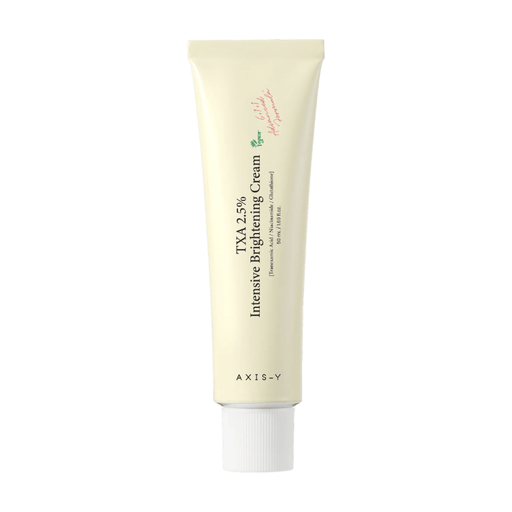
Why this fits the profile: Handy for users who want to consciously compare a formula with a stated concentration and multiple hydrating ingredients.
The ingredient list states 2.5% tranexamic acid and niacinamide. The product description advises using SPF 30 or higher sun protection during the day.
50 ml; contains ceramide NP, panthenol and multiple forms of hyaluronic acid according to the ingredient list.
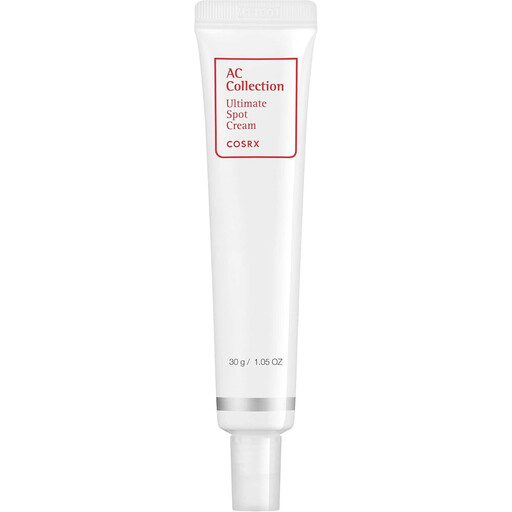
Why this fits the profile: This is a spot cream for visible blemishes and not primarily a full dark spot cream.
The product description gives a specific application: apply directly to affected areas after cleansing, preferably at night. A patch test is recommended.
30 g; contains zinc oxide, calamine and a Centella-based complex according to the product information.
We’ve put together a full, up-to-date list of products that fully meet these strict selection criteria and comply with current European safety regulations.
That depends on the product. Some creams are intended for morning and evening, others only for night or spot use. If you have sensitive skin, you could start by applying it less often, as long as that matches the product instructions.
You can within some routines, but it’s not necessary. First check the full ingredient list and add products one at a time. For sensitive skin, a simple routine is often easier to follow than using several brightening products at once.
Check the expiry date, batch information and any period-after-opening symbol on the packaging. Store the cream in a cool, dry place away from direct sunlight. A change in smell, colour or texture is a reason not to use the product any further.
