
Vandaag of morgen in huis

Kwaliteit gegarandeerd

Welkomstaanbiedingen ontgrendelen: GRATIS bezorging | Tot 80% korting | Gratis 30 dagen JoyPlus-proefperiode
Download de app
Finding a good face cream can sometimes feel like an impossible task. The shelves are lined with jars promising miracles, but how do you know what will actually work for your skin? Many people fall into the same traps: they overpay for luxury packaging or choose a cream based on vague marketing terms, leading to disappointing results.
As a Joybuy Product Recommendation Officer, I'm here to help you cut through the noise. We'll ignore the marketing hype and focus on what truly matters. Let's discuss the two most common mistakes when buying a face cream, so you can make an informed choice.
cream for dry skin.skincare product depends on the concentration and quality of its active ingredients, not the marketing surrounding it.To avoid buyer's remorse, it's helpful to focus on a few concrete specifications. These determine whether a cream is suitable for your skin and your goals.
The texture of a cream is directly linked to your skin type. The wrong texture can feel uncomfortable or even cause skin problems.
cream for sensitive skin often has a minimalist formula.Don't be overwhelmed by complicated ingredient lists. A few key active ingredients truly make a difference.
moisturizing cream. It attracts and retains moisture, making the skin appear plumper and smoother.anti-wrinkle cream and anti-aging cream. It supports the skin's cell turnover. Products with pro-retinol are often a milder entry-level option.vitamin C cream is often used in the morning.day cream with SPF is one of the most effective ways to prevent sun-induced aging. Daily protection is recommended, even on cloudy days.The difference is more than just in the name. A day cream is designed to protect and hydrate throughout the day, which is why it often contains an SPF. A night cream is typically richer and focused on repair. The skin is more active in its recovery process at night, and a good night cream supports this with nourishing ingredients.
Based on objective product specifications, we have selected a number of creams that suit different user profiles.
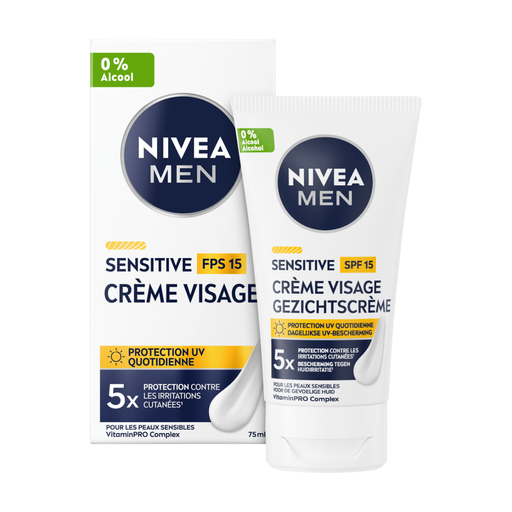
Why This Fits Their Persona: This `face cream for men` is ideal for those who want a no-fuss solution. The formula is designed to soothe sensitive skin, especially after shaving, while providing daily hydration and sun protection.
This product avoids the "one-size-fits-all" trap by specifically targeting sensitive male skin. It doesn't promise miracles, but delivers functional care.
Contains SPF 15 for basic sun protection. The formula is alcohol-free and enriched with chamomile and vitamin E to help soothe skin irritation.
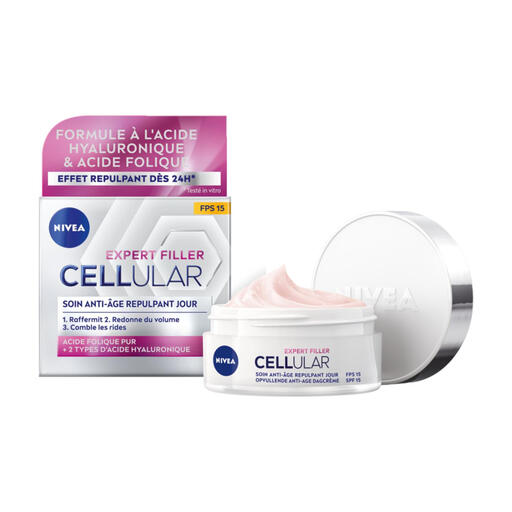
Why This Fits Their Persona: An accessible `anti-aging cream` for those looking to address the first signs of aging. The cream combines hydration with active ingredients and sun protection, without requiring an overly complex routine.
This cream focuses on its ingredients and their function rather than on vague promises. Its performance is based on the combination of hyaluronic acid and folic acid, not on a premium brand image.
The formula contains both hyaluronic acid and folic acid. According to NIVEA, this helps to firm the skin and fill in wrinkles. The addition of SPF 15 protects against premature skin aging.
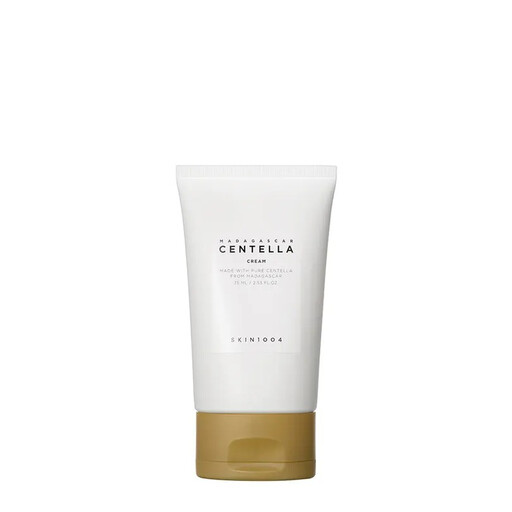
Why This Fits Their Persona: Perfect for those seeking a soothing and restorative `cream for sensitive skin`. This lightweight cream focuses on strengthening the skin barrier and reducing irritation without feeling heavy.
This product is the opposite of a "one-size-fits-all" cream. It is specifically formulated with a high concentration of one main ingredient (Centella Asiatica) for a targeted purpose: soothing the skin.
Contains 9.8% Centella Asiatica extract to calm the skin. The formula is enriched with niacinamide and panthenol to help restore the skin barrier and bring the skin into balance.
We've compiled a complete, up-to-date list of products that meet these selection criteria and comply with current regulations.
A simple way to determine your skin type is to wash your face with a mild cleanser and let it rest for an hour without applying any products.
Yes, you can, but it's not ideal. A day cream is lighter and often contains an SPF that you don't need at night. A night cream is richer and typically contains higher concentrations of restorative ingredients that work optimally while you sleep. For the best results, it's recommended to use both.
Results from an anti-wrinkle cream or retinol cream are not immediate. It's a matter of consistency. The skin needs time to respond to active ingredients. Typically, you can observe the first improvements in skin texture and fine lines after 4 to 12 weeks of consistent use. Be patient and follow the product's instructions.
