
Vandaag of morgen in huis

Kwaliteit gegarandeerd

Welkomstaanbiedingen ontgrendelen: GRATIS bezorging | Tot 80% korting | Gratis 30 dagen JoyPlus-proefperiode
Download de app
Finding a good face cream can sometimes feel like an impossible task. The shelves are lined with jars promising miracles, each one more expensive than the last. But which cream truly suits your skin and your budget? As a Product Recommendation Officer at Joybuy, I'm here to help you cut through the marketing claims and make an informed choice. Let's break down the most common pitfalls and the key factors to consider.
Before you pull out your wallet, it's wise to know where things often go wrong. Many people make a choice based on beautiful packaging or persuasive ads, resulting in disappointment.
To avoid a bad purchase, it's helpful to look at a few objective characteristics. These specifications will help you determine if a product is right for your skin.
The texture, or consistency, of a cream is one of the most important factors. It determines how the product feels and how it interacts with your skin type.
Don't be distracted by vague claims. Look for active ingredients that serve a specific purpose. Here are a few common and beneficial components:
Based on formula, texture, and intended use, we have selected a few products that fit specific needs.
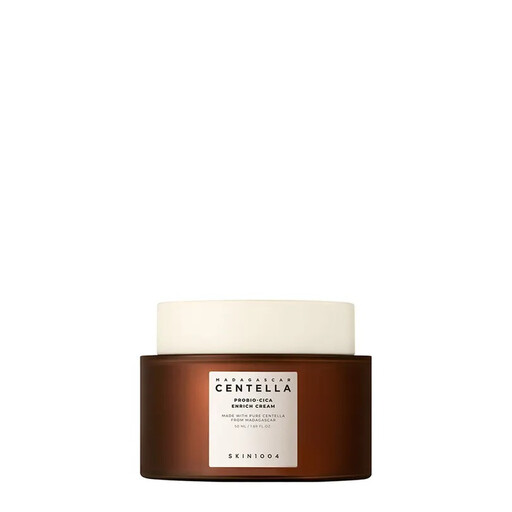
Why This Fits Their Persona: Someone looking for a cream for dry skin or with a damaged barrier needs intense nourishment and repair. This cream is specifically formulated to strengthen the skin barrier and provide deep hydration.
Instead of relying on marketing, this product focuses on a high concentration of Centella Asiatica and Ceramide NP, ingredients known for their restorative and calming properties.
Rich, yet non-sticky texture that strengthens the skin barrier and leaves the skin feeling silky smooth.
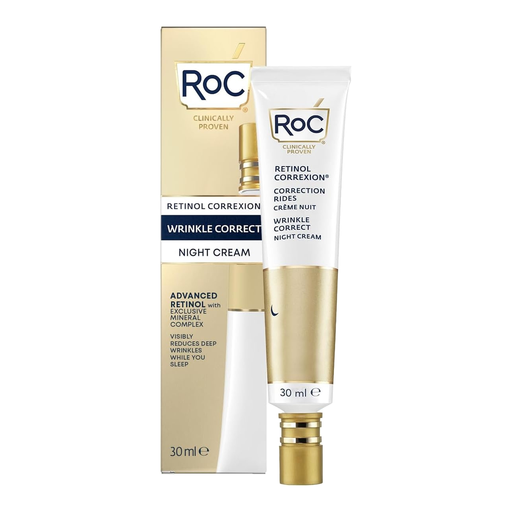
Why This Fits Their Persona: This user is looking for an effective night cream focused on reducing the appearance of fine lines and wrinkles. The focus is on skin renewal during the night.
This product relies on a well-known and extensively researched ingredient: retinol. According to the manufacturer, RoC, the formula is clinically proven, which offers more substance than vague promises.
A specific night cream with pure RoC Retinol, designed for visible results with consistent use.
We have compiled a complete, up-to-date list of products that meet these selection criteria and current regulations.
A day cream is generally lighter in texture and focused on protection against external factors, such as pollution. They sometimes also contain an SPF. A night cream is often richer and more nourishing. The focus is on repairing and renewing the skin while you sleep. Night creams more frequently contain active ingredients like retinol, which can make the skin more sensitive to the sun.
Signs of a damaged skin barrier include redness, a tight feeling, flakiness, itching, and skin that suddenly reacts sensitively to products you normally tolerate well. To help restore the barrier, you can look for a face cream with ingredients like ceramides, panthenol, and centella asiatica.
If you are new to retinol, it is wise to build up use slowly. Start with once or twice a week in the evening to allow your skin to get used to it. If your skin responds well, you can gradually increase the frequency. It is important to always use a high-SPF sunscreen during the day, as retinol makes the skin more sensitive to sunlight.
