
Vandaag of morgen in huis

Kwaliteit gegarandeerd

Welkomstaanbiedingen ontgrendelen: GRATIS bezorging | Tot 80% korting | Gratis 30 dagen JoyPlus-proefperiode
Download de app
The face cream aisle can be overwhelming. Dozens of jars and tubes promise radiant, youthful, and perfectly hydrated skin. But how often have you bought a cream that felt sticky, irritated your skin, or simply did nothing? Many marketing claims lead to disappointment and wasted money. Before you make another purchase, it's helpful to recognise the most common pitfalls.
To avoid a bad purchase, it's important to focus on a few objective criteria. By understanding a product's specifications, you can make a choice that suits your skin and your budget.
The first step is to determine your skin type. A face cream only works well if it's tailored to what your skin needs.
cream for dry skin that helps restore the moisture barrier. Ingredients like shea butter and ceramides are useful here.cream for sensitive skin is often free of fragrance, alcohol, and other potential irritants.The ingredients list is your most important tool. Look for the following common and effective substances:
hyaluronic acid cream is ideal for almost any skin type that could use a hydration boost.retinol cream is often used as an anti-wrinkle cream and can improve skin texture. It's best to use this at night, as it can make the skin more sensitive to the sun.vitamin C cream can contribute to a more even and radiant complexion.day cream with SPF protects your skin daily from UV radiation, even on cloudy days.A day cream and night cream have different functions. During the day, your skin primarily needs protection from the sun and pollution. That's why a day cream often contains an SPF and antioxidants. At night, the skin is in recovery mode. A night cream is therefore often richer and contains active ingredients like retinol or glycolic acid that support cell renewal.
Based on product specifications and the needs of different users, we have selected a few options.
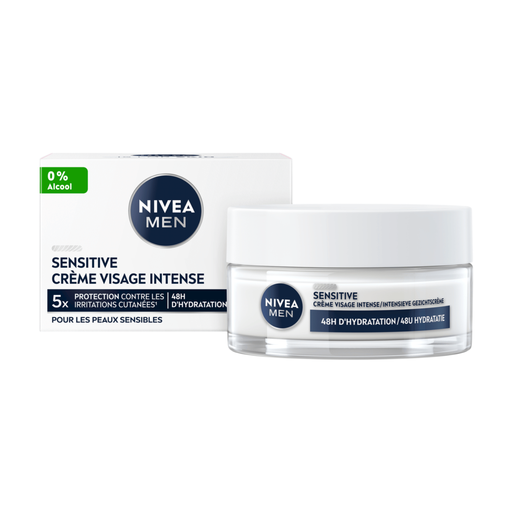
Why This Fits Their Persona: This `face cream for men` is designed for skin that gets easily irritated, for example, after shaving. The formula is practical and focused on immediate soothing and hydration, without leaving a heavy or sticky feeling.
This product avoids the "one-size-fits-all" pitfall by specifically targeting men's sensitive skin. The formula is intentionally kept simple and functional.
Contains 0% alcohol to prevent dryness and irritation. The addition of chamomile and vitamin E helps to soothe the skin.
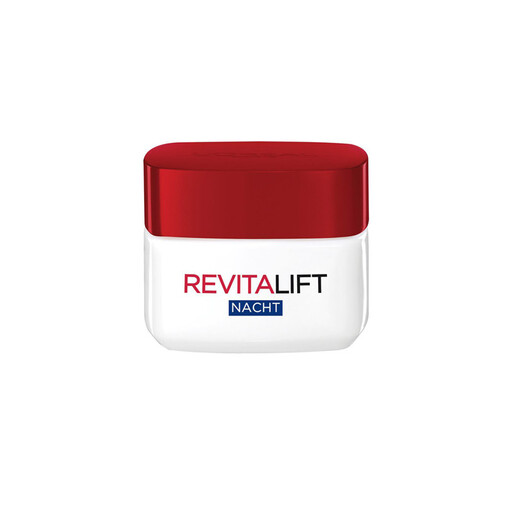
Why This Fits Their Persona: For those who want to tackle the first signs of skin ageing, this `night cream` offers a targeted approach. It's designed to work at night, when the skin's natural recovery process is most active.
This cream doesn't focus on vague promises but on a well-known and documented ingredient: Pro-Retinol. It's a specific `anti-wrinkle cream` for nighttime use, not a vague all-in-one solution.
The formula combines Pro-Retinol with Fibrelastyl. According to L'Oréal, this complex is designed to firm the skin and improve its elasticity.
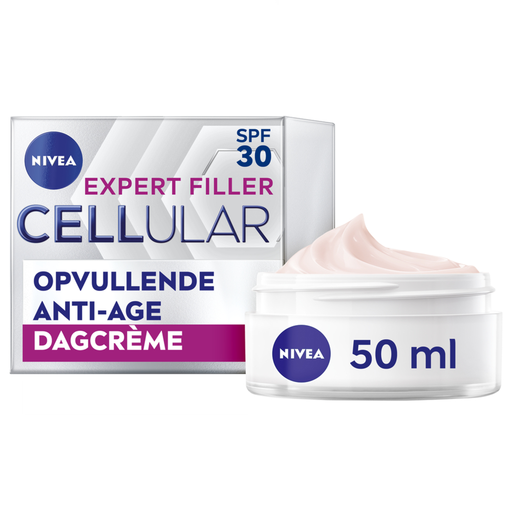
Why This Fits Their Persona: Ideal for anyone seeking an effective daily routine. This cream combines hydration with serious sun protection, which is essential for keeping skin healthy and preventing premature ageing.
This `day cream with SPF` offers a clear, functional protection factor (SPF 30). It's not a vague promise but a concrete specification that addresses a core need.
The formula contains two types of hyaluronic acid for hydration and folic acid. The SPF 30 provides good daily protection against UVA and UVB radiation.
We have compiled a complete, up-to-date list of products that meet these strict selection criteria and UK regulations.
Generally, this is not recommended. The skin on your face is thinner and more sensitive than the skin on your body. A body lotion is often thicker, greasier, and may contain ingredients (like heavy fragrances) that can clog your facial pores or cause irritation. Products like an eye cream are formulated even more specifically for the most delicate skin. Always choose a product explicitly intended for the face.
A simple method: wash your face with a mild cleanser, pat it dry, and wait an hour without applying any products.
There's no fixed age, but prevention is key. Using a day cream with SPF daily from your twenties is one of the most effective ways to slow down sun-induced skin ageing. A targeted anti-wrinkle cream, for example with retinol, can be beneficial as soon as you notice the first fine lines, often around your thirties. The most important thing is to listen to what your skin needs, rather than focusing on a number.
