
Vandaag of morgen in huis

Kwaliteit gegarandeerd

Welkomstaanbiedingen ontgrendelen: GRATIS bezorging | Tot 80% korting | Gratis 30 dagen JoyPlus-proefperiode
Download de app
A new face cream may seem simple to choose, but online products are often promoted with terms such as “intense hydration”, “barrier repair” or “anti-ageing”. These descriptions only become meaningful when you also consider the ingredients, texture and usage instructions.
The right choice depends on your skin type and your main concern. Are you looking for a hydrating face cream for everyday use, a cream for sensitive skin or perhaps a lightweight gel cream for the face? The points below can help you avoid paying mainly for attractive packaging or a vague claim.
A brand may claim that a cream calms redness, reduces pigmentation or helps combat wrinkles. That does not mean everyone will achieve these results. Your skin type, frequency of use and the rest of your routine all play a part.
So pay particular attention to:
Claims about a product’s performance should be read as claims made by the brand. If a brand refers to a clinical trial or its own research, check who carried out the research and exactly what was measured.
A cream for dry skin often contains more emollient and occlusive ingredients, such as shea butter, oils or silicones. This can feel comforting when your skin feels tight, but may feel heavy on oily or combination skin.
A gel cream usually feels lighter and is often better suited to oily, combination or blemish-prone skin. That does not automatically mean that every gel cream provides enough moisture for dry skin. Look for ingredients such as glycerine, panthenol, hyaluronic acid and ceramides to assess the formula more closely.
A fragrance-free formula may be a sensible choice for a cream for sensitive skin, but other ingredients can also cause irritation for some users. Test a new product on a small area of skin first and stop using it if you experience persistent redness, swelling, itching or a burning sensation.
During the day, use a separate sun-care product if your cream does not contain a suitable SPF. An anti-ageing cream or face cream for pigmentation does not automatically replace a broad-spectrum sunscreen.
Start by choosing based on how your skin feels and what it needs:
Ingredients provide a useful indication of a product’s purpose:
Do not compare only the price of a jar or tube. Check the number of millilitres and the recommended amount per application. Also check the expiry date or the period-after-opening information on the packaging.
A jar can be convenient for a rich cream, but a pump bottle generally limits direct contact with the contents. Store your face cream in a cool, dry place away from direct sunlight. The packaging and leaflet remain the definitive sources for usage and storage instructions.
The selection below is based on the stated texture, skin types, ingredients, contents and usage instructions. These are not universal solutions; choose the formula that fits your routine.

Why it suits this profile: The gel cream texture is easy to use as part of a morning and evening routine and, according to the product information, is suitable for dry, very dry, combination and oily skin.
The product information states that the formula is alcohol-free, fragrance-free and non-comedogenic. Check the current packaging if you are sensitive to specific ingredients.
30 ml gel cream; according to the product description, free from alcohol, fragrance, parabens and phthalates.
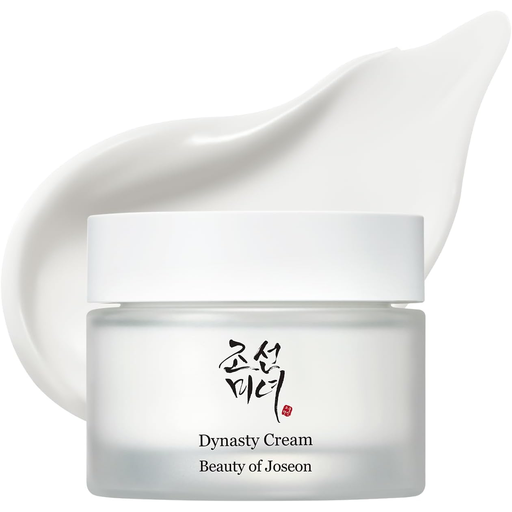
Why it suits this profile: This Korean face cream has a richer, nourishing texture and is suitable for users looking for several hydrating and soothing ingredients in one product.
The ingredients list is available and includes glycerine, niacinamide, panthenol, sodium hyaluronate and rice extract, among others. This allows you to compare the formula for yourself.
Korean formula; contains niacinamide, hyaluronic acid and panthenol, among other ingredients; suitable for morning and evening use according to the product information.
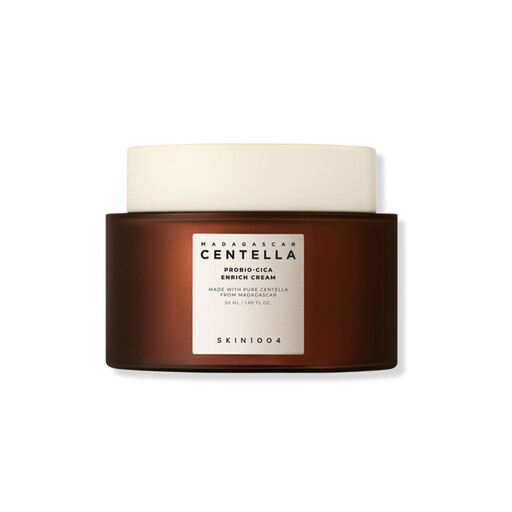
Why it suits this profile: The rich formula is designed for users primarily looking for comfort, hydration and support for the skin barrier, for example with dry or sensitive skin.
The product description mentions ceramide NP, centella asiatica and plant oils. This makes the purpose of the formula more specific than a general claim about “repair”.
50 ml; contains ceramide NP and centella asiatica; vegan and dermatologically tested according to the product information.
We have put together a complete, up-to-date list of products that fully meet these strict selection criteria and the applicable European safety regulations.
This depends on the product instructions and your skin. Many moisturisers are intended for use morning and evening after cleansing. Apply a small amount and add sun protection during the day if your cream does not contain SPF.
Check the expiry date and the period-after-opening symbol on the packaging. Close the packaging after use and do not store the cream in direct sunlight. Has the scent, colour or texture changed? It is best not to use the product any longer.
Look for a lightweight or non-greasy formula, an easy-to-understand ingredients list and any information stating that it is fragrance-free or non-comedogenic. These claims do not offer a personal guarantee. Test a new face cream for blemish-prone skin on a small area first and stop using it if irritation occurs. If skin problems persist, it is advisable to seek advice from a doctor or dermatologist.
