
Vandaag of morgen in huis

Kwaliteit gegarandeerd

Welkomstaanbiedingen ontgrendelen: GRATIS bezorging | Tot 80% korting | Gratis 30 dagen JoyPlus-proefperiode
Download de app
A face cream may seem like a simple product, but there can be significant differences in texture, ingredients and intended use. A cream for dry skin requires a different formulation from a mattifying face cream for oily or combination skin. Sensitive skin may also react differently to fragrance, essential oils or exfoliating acids.
If you focus only on terms such as “intensive”, “lifting” or “24-hour hydration”, you risk paying for a promise that does not suit your skin. With this practical guide, you can focus on verifiable product information instead of marketing language.
A thick cream can feel nourishing, but that does not automatically mean it will feel comfortable on every skin type. On oily or combination skin, a heavy formula may feel greasy or uncomfortable. A gel cream or lightweight moisturiser may be a better fit.
For a cream for dry skin, ingredients such as glycerine, hyaluronic acid, shea butter, squalane and plant oils are worth considering. They support a comfortable skin feel in different ways and help retain moisture.
A product may be described as suitable for sensitive skin, yet still contain fragrance or essential oils. For example, Dear, Klairs Rich Moist Soothing Cream contains lemon, lavender, orange, geranium, ylang-ylang and eucalyptus oils. These ingredients may cause sensitivity in some people.
Always check the current INCI list on the packaging. With a cream for sensitive skin, a patch test is advisable. Stop using the product if redness, swelling or irritation occurs, and consult a healthcare professional if symptoms persist.
Terms such as “anti-ageing”, “lifting” and “restores the skin barrier” describe the brand’s intended use or claim. They do not guarantee a particular result. According to a brand’s own research or claims, a formula may support the appearance of skin firmness or hydration, for example, but results vary from person to person.
Instead, look at the ingredients, product size, texture, warnings and directions for use. This makes comparing products easier.
For daily hydration, commonly used ingredients include glycerine, beta-glucan, panthenol, sodium hyaluronate and other forms of hyaluronic acid. A hydrating face cream often combines humectants with soothing or occlusive ingredients.
If you want to support the skin barrier, look for ceramide NP, other ceramides, cholesterol, fatty acids, lecithin or phytosphingosine. A ceramide cream may be worth considering for dry or tight-feeling skin, but check the rest of the formula too.
Lightweight textures may be a better match for oily skin. According to the product description, the Axis-Y Heartleaf My-Type Calming Cream is positioned for oily and combination skin and as a make-up base. The sebamed Clear Face Mattifying Face Cream contains ingredients including panthenol, niacinamide, zinc gluconate and sodium hyaluronate, and is designed to leave the skin feeling mattified.
A fragrance-free formula is not automatically suitable for everyone, but it may be a practical choice if you want to avoid perfume. Also look out for essential oils and fragrance allergens such as limonene, linalool and geraniol.
Products containing AHA, BHA or PHA require extra care. According to the ingredients list, the SOME BY MI AHA-BHA-PHA 30 DAYS MIRACLE CREAM contains exfoliating acids and peppermint oil. The product warning states that these acids may increase sensitivity to sunlight. Use sun protection during the day and follow the instructions on the packaging.
An evening cream can be richer than a moisturiser worn under make-up. A lightweight gel cream may be more convenient in warm weather or on shiny skin. Also check the product size: the selection ranges from 15 ml to 80 ml, so the price per millilitre may vary.
Face cream is generally applied after cleansing and any toner or serum. During the day, apply sun protection when required according to the product instructions. The exact order may vary depending on your routine and the product.
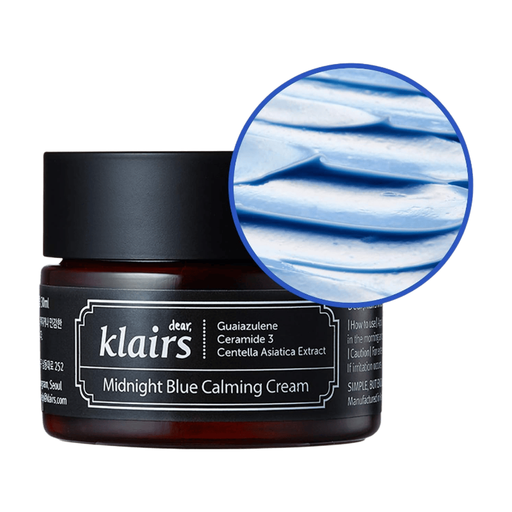
Why it suits this profile: Designed as a targeted evening cream for areas that need extra comfort. The small size is suited to localised use rather than application across the entire face.
The product description states that it has a fragrance-free formula. However, the cream contains several botanical extracts, so check the current ingredients list and carry out a patch test.
According to the product information, contains guaiazulene, centella asiatica, sodium hyaluronate and ceramide NP; intended as the final step in your evening routine.
We have put together a complete, up-to-date list of products that fully meet these strict selection criteria and the applicable European safety regulations.
Look for a richer formula containing glycerine, hyaluronic acid, ceramides, panthenol, shea butter or squalane. A cream for dry skin does not have to be extremely thick; a fast-absorbing formula may be more practical during the day. Test new products on a small area of skin first.
Many face creams are intended for use in the morning and evening, but follow the product instructions. Apply a small amount to cleansed skin. During the day, separate sun protection may be necessary, even when the cream itself does not contain a UV filter.
Check the expiry date, batch information and any period-after-opening symbol on the packaging. Store the pot or bottle in a cool, dry place away from direct sunlight, and close it securely after use. If the smell, colour or texture changes noticeably, stop using the product.
