
Vandaag of morgen in huis

Kwaliteit gegarandeerd

Welkomstaanbiedingen ontgrendelen: GRATIS bezorging | Tot 80% korting | Gratis 30 dagen JoyPlus-proefperiode
Download de app
Buying a face cream seems simple, until you have to choose between a hydrating face cream, a gel cream for the face, a skin barrier cream or an anti-ageing face cream. A high price does not automatically say anything about whether a product is right for your skin. Terms such as “intensive hydration” and “radiant complexion” also tell you very little if the texture, ingredients and usage period are not right for you.
The Joybuy Product Recommendation Officer helps you read product information in a practical way. This helps you avoid buying a cream that feels too greasy, stings sensitive skin or sits unused in the bathroom after a few weeks.
“Up to 100 hours of hydration” sounds clear, but always check how the claim was established. For Clinique Moisture Surge 100H, this information appears in the brand’s product description. It is not a universal guarantee for every user. So pay attention to the formula as well: a gel cream may feel comfortable on oily or combination skin, while dry skin may sometimes benefit more from a richer cream containing oils or shea butter.
Hyaluronic acid, niacinamide, ceramides and vitamin C often appear in product descriptions. However, the presence of a single ingredient does not determine whether a face cream is suitable. The full ingredients list, the order of the ingredients and how the product works alongside the rest of your skincare are just as relevant.
For example, a fragrance-free face cream is a sensible choice if you want to avoid fragrance ingredients. However, check the packaging and the current ingredients list. Product formulas can change.
A rich cream can feel pleasant on dry skin, but uncomfortable beneath sunscreen or make-up. A lightweight face moisturiser may work well during the day, but very dry skin may need additional layers. So do not choose solely based on your skin type; consider when you plan to use the product too.
Glycerine and hyaluronic acid attract moisture, which is why they are widely used in hydrating face creams. Ceramides, cholesterol and fatty acids resemble components that naturally occur in the skin barrier. In a skin barrier cream, they can help make the formula more nourishing and limit moisture loss.
Also look out for possible fragrance ingredients. A product can contain botanical extracts and still be fragrance-free, but always check the current packaging. According to the stated ingredients list, Medicube Salmon DNA PDRN Pink Hyaluronic Moisturising Cream does contain fragrance. This makes it less suitable for anyone deliberately seeking a fragrance-free face cream.
Compare millilitres or grams, not just the price of the pot. A 15 ml package, such as Skin1004 Madagascar Centella Probio-Cica Enrich Cream, is handy to take with you or try first, for example, but has a different value per millilitre from a 100 ml package.
After buying, check the expiry date, batch number and period after opening on the packaging. Do not use a cream on damaged skin and stop using it if you experience redness, swelling, itching or a burning sensation. Follow the manufacturer’s instructions and avoid contact with the eyes.
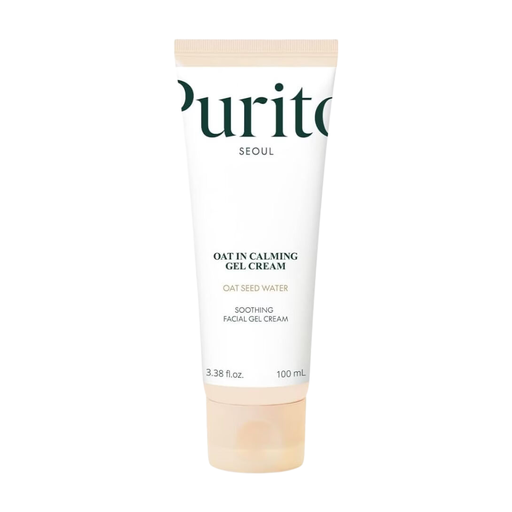
Why it suits this profile: According to the product information, this lightweight gel cream contains 77% oat seed water and comes in a 100 ml size. This makes it a straightforward option for anyone looking for daily hydration without a heavy feel.
The product description highlights the gel texture and the absence of a greasy feel, so you do not have to rely solely on a general hydration claim.
100 ml size; glycerine, panthenol, squalane and beta-glucan are listed in the stated ingredients list.

Why it suits this profile: According to the product description, this gel cream is alcohol-free, fragrance-free, paraben-free, phthalate-free and non-comedogenic. The 30 ml size suits anyone who wants to try a premium formula in a smaller format first.
The texture, skin types and product claims are described clearly. The “up to 100 hours” statement remains a brand claim and should not be interpreted as a personal guarantee of results.
Gel cream; fragrance-free according to the product information; stated as suitable for dry, combination and oily skin.
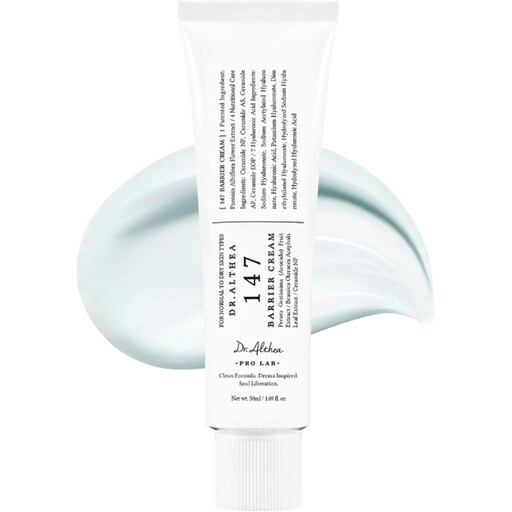
Why it suits this profile: Anyone looking for a skin barrier cream gets a formula containing ceramides and seven types of hyaluronic acid, according to the product description. This suits a routine focused on retaining moisture.
The choice is based on the listed ingredients rather than just a vague repairing claim. If you have sensitive skin, still check the full packaging and carry out a patch test.
50 ml size; ceramides, hyaluronic acid, vitamin E and guaiazulene are listed in the product information.

Why it suits this profile: According to the product description, this Korean face cream has a lightweight gel texture and is intended for oily skin. This suits anyone who wants hydration without an obviously greasy feel.
The product information explicitly mentions the skin category, texture and use for hydration and pore care. This makes it easier to compare the formula with richer creams.
100 ml size; lightweight gel; according to the product description, 44% Haenam red bean extract and a peptide complex.
We have put together a complete, up-to-date list of products that fully meet these strict selection criteria and the applicable European safety regulations.
Apply the cream to a cleansed face. In the morning, you can use a serum first and finish with sunscreen containing a suitable SPF. In the evening, your face cream can be the final step. Start with a small amount; using more product does not automatically mean more hydration.
If you have dry skin, you can apply a richer layer to your cheeks or other dry areas. With oily skin, a thin layer of gel cream often feels more comfortable. Introduce new products one at a time so that you can more easily identify which product causes a reaction.
For most daily routines, using it once in the morning and once in the evening is typical, as long as this is supported by the product instructions. The amount needed depends on the texture and your skin type. A cream can also be used only on dry areas.
Look for a fragrance-free face cream with an easy-to-understand ingredients list and avoid products that have caused irritation in the past. “Hypoallergenic” or “dermatologically tested” is information provided by the manufacturer and does not guarantee that you will not experience a reaction. Test a new formula on a small area first.
The exact shelf life is stated on the packaging. Look for an expiry date, the symbol indicating the period after opening and the batch number. Store the cream in a cool, dry place away from direct sunlight. Has its smell, colour or texture changed? Do not continue using the product.
