
Vandaag of morgen in huis

Kwaliteit gegarandeerd

Welkomstaanbiedingen ontgrendelen: GRATIS bezorging | Tot 80% korting | Gratis 30 dagen JoyPlus-proefperiode
Download de app
Buying a new face cream seems simple, until you have to choose from dozens of formulas. A rich cream can feel comforting on dry skin, but too heavy on oily skin. A gel cream feels light, but may not provide enough comfort when your skin feels tight. Terms such as “24-hour hydration”, “anti-ageing” and “skin barrier repair” also sound appealing, but they do not always tell you what you are actually buying.
Joybuy Product Recommendation Officer helps you translate marketing language into verifiable product information. This allows you to choose a hydrating face cream based on your skin type, ingredients, texture and when you intend to use it.
Brands often use terms such as “lifting”, “refines pores” or “restorative”. Such descriptions are not automatically a guarantee. According to the brand’s own research, certain ingredients or formulas may support a particular effect, but your skin may respond differently.
So start by checking the ingredients list. Glycerine, hyaluronic acid and panthenol are often used in hydrating skincare. Ceramides, cholesterol and fatty acids are found in formulas designed to support the skin barrier. A niacinamide cream is often chosen for an uneven complexion or oily skin, but the concentration and the complete formula are more important than the name on the packaging.
“For all skin types” does not mean that every skin type will find the same texture comfortable. Dry skin usually benefits from a richer cream containing soothing oils or butters. Oily or combination skin often gets on better with a lightweight facial moisturiser or gel cream.
Sensitive or irritated skin also requires extra care. Check whether the product contains fragrance, essential oils or known allergens. “Fragrance-free” does not necessarily mean “suitable for everyone”. Stop using the product if you experience burning, itching, swelling or redness, and consult a doctor if symptoms persist.
A 100 ml jar may seem like good value, but the right comparison is the amount of product in relation to how much you use each time. Also check the shelf life and the period after opening on the packaging. A product you use only in the evening will last a different length of time from a day cream you apply every morning and evening.
A day cream should work well with sunscreen and make-up. A night cream can be richer, as you do not need to worry as much about a shiny finish. A gel cream is often practical for warm days or oily skin, while a rich cream may be better suited to dry skin or cold, windy conditions.
Also check the directions for use. Many products are applied after cleansing and, if desired, after a toner or serum. During the day, a separate sunscreen remains important when your skin is exposed to sunlight.
Always check:
A product description may change between production batches or markets. The information on the current packaging should therefore be treated as the definitive source.

Why it suits this profile: The lightweight gel texture is an accessible choice for anyone looking for a Korean face cream without a heavy feel. The product information states that it is suitable for oily, combination or dry skin.
The 100 ml contents and clearly described gel texture make it easier to compare than relying solely on a striking marketing claim.
44% Haenam Red Bean Extract according to the product description; lightweight gel with no sticky feel.
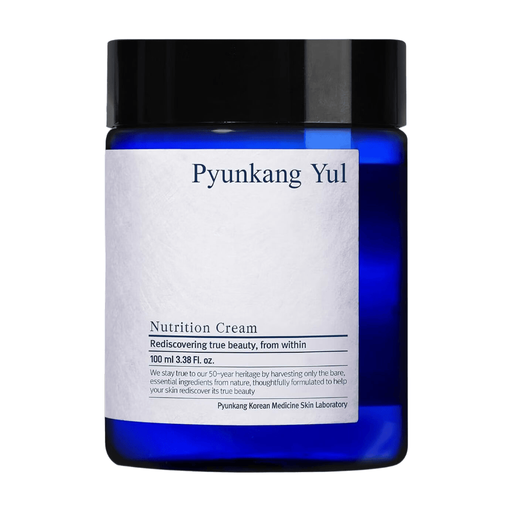
Why it suits this profile: The rich formula with shea butter, jojoba oil and sodium hyaluronate is suitable for dry or demanding skin looking for a night cream or intensive face cream.
The product description specifies a fragrance-free formula and describes the texture as nourishing without leaving a heavy or greasy residue. Check for allergies beforehand.
100 ml; astragalus root extract, shea butter and jojoba oil listed; fragrance-free according to the product information.
We have put together a complete, up-to-date list of products that fully meet these strict selection criteria and the applicable European safety regulations.
That depends on the product instructions and how your skin feels. Many creams are intended for morning and evening use after cleansing. Start with a small amount and only apply more if your skin needs it. During the day, apply sunscreen after your face cream whenever you are exposed to UV radiation.
Yes, provided the texture and directions for use are suitable. A lightweight day cream often works well under make-up. A richer night cream may feel more comfortable on dry skin. When using active ingredients or products with specific claims, always follow the brand’s instructions.
Check the open-jar symbol and the expiry date on the packaging. The period after opening may vary from one product to another. Keep the cream tightly closed, in a cool place and out of direct sunlight. Has the smell, colour or texture changed? Stop using the product and check the packaging or batch information.
