
Vandaag of morgen in huis

Kwaliteit gegarandeerd

Welkomstaanbiedingen ontgrendelen: GRATIS bezorging | Tot 80% korting | Gratis 30 dagen JoyPlus-proefperiode
Download de app
A face cream seems like a simple purchase, until you have to choose between a gel cream, rich night cream, hydrating face cream or moisturiser for dry skin. Marketing terms such as “intensive hydration”, “anti-ageing” and “barrier repair” also do not always tell you enough about the texture, ingredients or suitability for your skin.
With this practical guide, you can start by focusing on verifiable product information. You can then compare products more effectively and avoid buying a cream that is too greasy, too light or unsuitable for your skin type.
Hyaluronic acid, niacinamide, ceramides and retinol are often displayed prominently on the packaging. However, the presence of an ingredient does not automatically tell you how your skin will react or what visible effect you can expect. So look at the full ingredients list, the concentration if stated and the directions for use.
When it comes to performance claims, remember that a brand’s own research may suggest that ingredients contribute to a particular cosmetic effect, but this is not a guarantee for every user. A cream is not a treatment for a skin condition either.
A face cream for all skin types sounds convenient, but skin needs vary. Dry skin may benefit from glycerine, oils, shea butter or ceramides. Oily or combination skin often feels more comfortable with a lightweight gel cream or non-comedogenic moisturiser. Sensitive skin requires extra attention to fragrance, alcohol and potential irritants.
A rich cream can feel pleasant in winter or as a night cream, but may feel heavy under make-up. A lightweight gel cream works well during the day, but may not provide enough comfort for very dry skin. So do not just check the marketing name; also look at the description of the consistency and when to apply it.
Hyaluronic acid comes in several forms. A formula containing multiple forms, such as Isntree Hyaluronic Acid Moist Cream, may appeal to anyone primarily looking for hydration. Also look for supporting ingredients. Ceramide NP, cholesterol and fatty acids, for example, are suited to a barrier-repair cream, while glycerine and betaine help retain moisture in the cosmetic formula.
When using retinol, it is important to build up gradually. The product information for The Retinol 0.1 Cream states that it contains 0.1% retinol. Start by using it sparingly, follow the label and stop if clear irritation occurs. Sun protection during the day is a sensible addition.
Compare millilitres or grams, not just the price of a jar. A 30 ml pack may work out more expensive per use than a 50 or 100 ml product. Also check the shelf life, the period after opening and the storage instructions. The product information for some formulas refers you to the packaging for the exact expiry date.
If you have sensitive skin, first test a small amount on a limited area of skin. Avoid contact with the eyes and stop using the product if irritation, redness or a rash occurs.

Why it suits this profile: The 100 ml size makes this Korean face cream practical for everyday use. The gel cream can be applied in the morning or used as a night cream.
The product list names five forms of hyaluronic acid and an alcohol-free formula. Always check the current packaging and ingredients list.
100 ml; gel cream; glycerine, beta-glucan, panthenol, ceramide NP and several forms of hyaluronic acid.

Why it suits this profile: This richer formula is suitable for dry or sensitive skin that needs a nourishing cream for morning and evening use.
The ingredients list includes ceramides, cholesterol, squalane, panthenol and multiple forms of hyaluronic acid, so you look beyond a single marketing ingredient.
80 ml; ceramide NP, NS, AP, AS and EOP; product information states hypoallergenic, non-comedogenic and dermatologically tested.
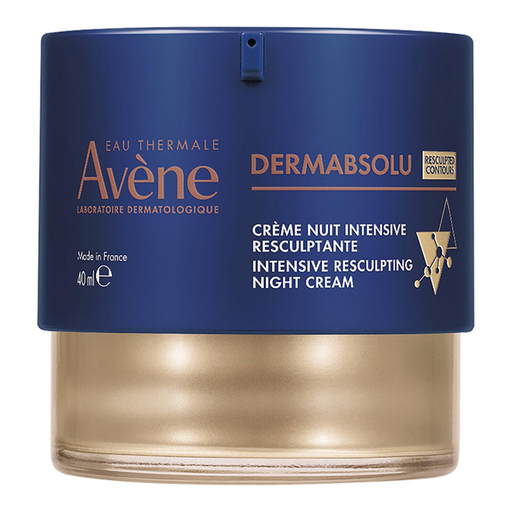
Why it suits this profile: This rich night cream is designed for mature skin and, according to the product information, is applied in the evening to the face, neck and décolleté.
Its use is clearly defined as night-time skincare. This means you do not have to use a rich formula automatically as a day cream under make-up.
40 ml; night cream; product information states that it contains bakuchiol, niacinamide and pro-ceramides; suitable for mature skin.

Why it suits this profile: The lightweight gel texture is designed for oily, combination or dry skin that does not want to feel a heavy layer.
The product information explicitly describes a lightweight gel with no sticky feeling. This helps you avoid choosing a cream that is too heavy for oilier skin.
100 ml; gel cream; product information states that it contains 44% red bean extract and a complex with three peptides.
We have compiled a complete, up-to-date list of products that fully meet these strict selection criteria and the applicable European safety regulations.
Look for a hydrating face cream containing glycerine, hyaluronic acid, panthenol, ceramides or nourishing oils. A richer moisturiser for dry skin is particularly suitable when your skin feels tight. During the day, a lighter formula may feel more comfortable.
You can, provided the directions for use allow it and the texture remains comfortable. A night cream is often richer. If you use a cream containing retinol, follow the specific label and build up usage gradually. Sun protection is part of a complete daytime routine.
Follow the expiry date and the period-after-opening information on the packaging. Store the cream in a cool, dry place away from direct sunlight, and close the packaging securely. A change in smell, colour or texture may be a reason to stop using the product.
