
Vandaag of morgen in huis

Kwaliteit gegarandeerd

Welkomstaanbiedingen ontgrendelen: GRATIS bezorging | Tot 80% korting | Gratis 30 dagen JoyPlus-proefperiode
Download de app
Buying a face cream seems simple, until you have to choose between a gel cream, rich moisturiser, ceramide cream or Korean face cream. Marketing copy often promises radiant skin, intensive recovery and a youthful appearance. However, a striking claim says little about how well a formula suits your skin type and daily routine.
The right choice therefore starts not with the brand or packaging, but with texture, ingredients, skin needs and when you use it.
A high price may be linked to brand positioning, packaging or an extensive product range. That does not mean the cream is better suited to your skin. Instead, check the contents, size and ingredients list. For example, a 50 ml jar may be less practical than a 100 ml tube if you need to apply a generous amount every day.
A hydrating face cream may mainly contain water-binding ingredients such as glycerine, betaine or hyaluronic acid. This can feel comfortable on dehydrated skin, but dry skin may also need an occlusive layer. Think shea butter, oils, squalane or silicones.
Conversely, a heavy cream can feel uncomfortable on oily or combination skin. A face gel cream with a lightweight texture is often a better fit.
Always check the full ingredients list. Some creams contain fragrance or essential oils, even when the packaging has a gentle or soothing look. A cream for sensitive skin is therefore not automatically fragrance-free. If you have known allergies or have experienced reactions before, checking the ingredients and carrying out a small test on a limited area of skin is advisable.
If you use the cream during the day under make-up, a fast-absorbing formula may feel more comfortable. For night-time use or skin that feels tight, a richer texture may be a better choice.
Glycerine and hyaluronic acid help the skin retain moisture. A hyaluronic acid cream may therefore be suitable when your skin feels dry or dehydrated. However, the effect depends on the complete formula and how you use it.
Ceramides are found in barrier-repair creams. They are often combined with fatty acids, cholesterol, panthenol or squalane. According to the product descriptions of some brands, these ingredients support the skin barrier; this should not be confused with medical treatment.
Niacinamide is often used in creams designed to promote a more even-looking complexion and care for the skin barrier. If you have sensitive skin, check how your skin responds to the complete product, not just to one ingredient.
Check the following before buying:

Why it suits this profile: The 100 ml size and lightweight gel texture make this an easy introduction for anyone looking for a face moisturiser without a heavy feel. According to the product description, the formula is designed to hydrate oily skin.
The gel texture helps you avoid immediately choosing a heavy cream when your skin mainly needs lightweight hydration. However, check that the stated suitability for your skin matches your own experience.
100 ml, a lightweight gel cream and, according to the product information, designed for oily or combination skin.
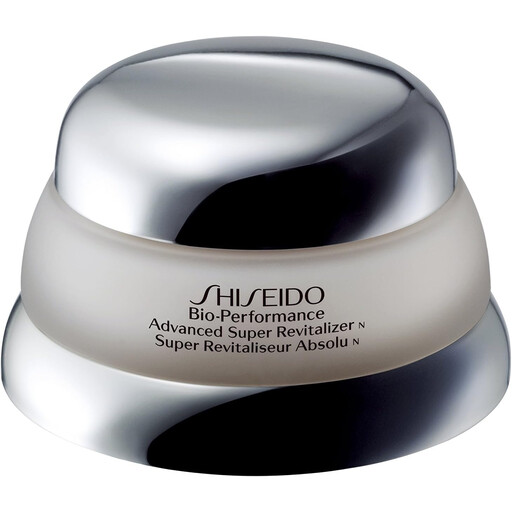
Why it suits this profile: This 50 ml cream is intended for anyone specifically looking for a premium anti-ageing face cream and willing to compare the product information, price and ingredients carefully.
The limited product description available means you should check the packaging, ingredients, shelf life and usage advice carefully before buying.
Premium positioning and a 50 ml size; check the current specifications on the product page.
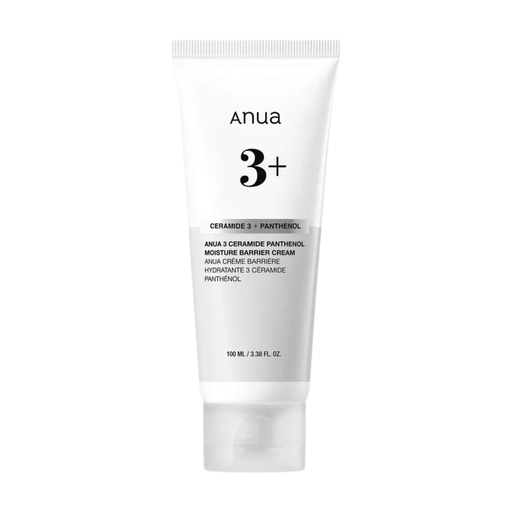
Why it suits this profile: According to the ingredients list, this Korean face cream contains panthenol, ceramide NP, ceramide EOP, ceramide AP, hyaluronic acid, squalane and ectoin, among other ingredients. This makes it suitable for users specifically looking for barrier care.
The ingredients list makes the formula easier to assess than a vague promise of “repair”. If irritation occurs, stop using the product in accordance with the safety information.
100 ml and several ceramides, panthenol, hyaluronic acid and squalane in the stated formula.
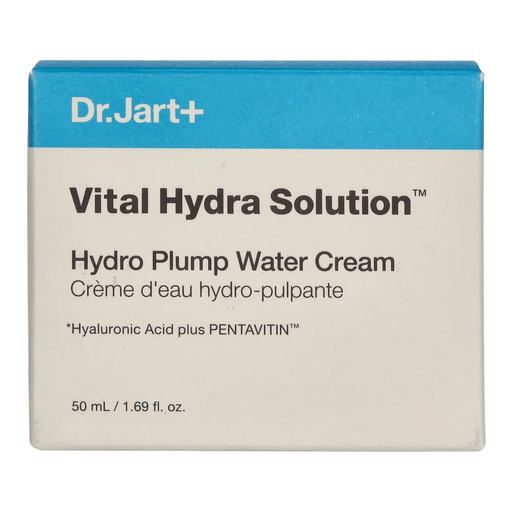
Why it suits this profile: According to the product description, this is a watery gel cream containing 5% glycerine, niacinamide and sodium hyaluronate. The lightweight texture is designed for combination and oily skin and is described as suitable for use under make-up.
The gel texture reduces the risk of a day cream feeling too greasy. However, be aware that the ingredients list also mentions fragrance, despite the product copy describing it as fragrance-free.
5% glycerine, hyaluronic acid and a fast-absorbing gel cream texture according to the product information.
We have put together a complete, up-to-date list of products that fully meet these strict selection criteria and the applicable European safety regulations.
Cleanse your face gently first, then apply toner or serum if desired. Next, use a small amount of cream on your face and neck. A pea-sized amount is often a sensible starting point, but the amount you need depends on the texture and your skin.
Apply sun protection during the day when your routine and the product instructions call for it. Do not immediately combine several new active products. This makes it easier to see how your skin responds to the face cream.
Look for a formula containing both humectants and soothing or occlusive ingredients. A cream with glycerine, hyaluronic acid, shea butter, oils or ceramides may be suitable. Choose based on the complete ingredients list and the texture that feels comfortable.
You can if the formula is well tolerated and the packaging states that it is suitable for daily use. First check for fragrance, essential oils and known allergens. Stop using it if you experience redness, itching, swelling or a burning sensation, and follow the safety instructions on the label.
Check the expiry date, batch number and period-after-opening symbol on the packaging. Store the cream in a cool, dry place away from direct sunlight, and close the packaging securely. A change in smell, colour or texture is a reason not to continue using the product.
