
Vandaag of morgen in huis

Kwaliteit gegarandeerd

Welkomstaanbiedingen ontgrendelen: GRATIS bezorging | Tot 80% korting | Gratis 30 dagen JoyPlus-proefperiode
Download de app
A face cream may seem easy to choose: look for hydration, a pleasant texture and ingredients that suit your skin. Yet many consumers pay for claims that say little about how a product performs day to day. As a Joybuy Product Recommendation Officer, I therefore focus mainly on verifiable information: the ingredients list, size, directions for use and suitability for your skin type.
A hyaluronic acid cream can contain different forms of hyaluronic acid, but the concentration and the rest of the formula also influence how the cream feels. A ceramide cream is not automatically suitable for every skin type either. So check the full INCI list rather than focusing solely on one eye-catching ingredient on the front of the packaging.
A cream for dry skin often contains oils, butters or occlusive ingredients. This can feel comfortable when your skin feels tight, but may be less suitable if you prefer a lightweight texture or your skin becomes shiny easily. Conversely, a thin gel cream may not provide enough comfort for dry skin, particularly in winter or in rooms with dry air.
A retinol cream, vitamin C cream or spot cream requires more consideration than a simple moisturiser. According to the product description, The Retinol 0.1 Cream contains 0.1% retinol. Retinol can cause dryness or irritation for some users. Introduce this type of product gradually, follow the label and use sunscreen during the day. Stop using it if irritation persists and seek advice from a doctor or pharmacist if necessary.
Also be wary of claims such as “repairing”, “soothing” or “anti-ageing”. These are not guarantees of an individual result. According to a brand’s own research or product information, certain ingredients may contribute to a particular skin experience, but the outcome varies from person to person.
A cream for sensitive skin is not necessarily fragrance-free. Always check the current packaging and ingredients list, as formulations can change.
Ingredients such as niacinamide, panthenol, ceramide NP and sodium hyaluronate are more specific than general terms such as “intensive nourishment”. For a barrier-repair cream, ceramides, cholesterol, fatty acids and hydrating ingredients are relevant points to look at. The order of the ingredients provides an indication of the formula, but does not tell you everything about the final concentration or performance.
Do not automatically compare 50 ml with 80 ml or 100 g. A small amount per application can make a rich cream last longer, while a lightweight moisturiser is often applied more generously. Check the expiry date, batch number and period after opening on the packaging. Store the cream in a cool, dry place away from direct sunlight, and close the packaging securely.
For products containing retinol, vitamin C or fragrance, a patch test is advisable. Do not use a new active cream at the same time as several other intensive products if you do not know how your skin will react.
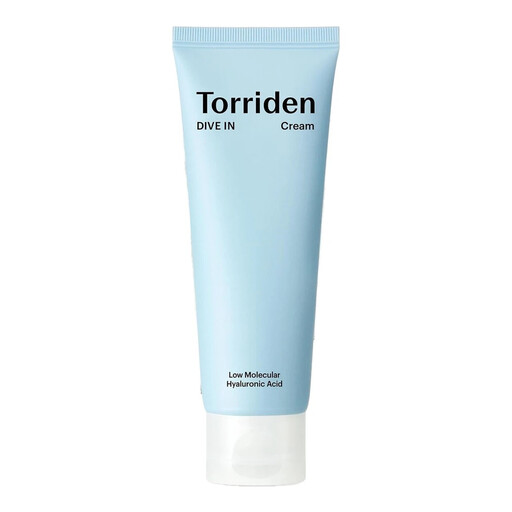
Why it suits this profile: With its 80 ml size and several forms of hyaluronic acid, this is a practical choice for anyone looking for a daily hydrating face cream without immediately introducing strong active ingredients.
The product information lists the complete ingredients list and describes a lightweight, fast-absorbing texture. However, check the list yourself for potential allergens.
80 ml; contains sodium hyaluronate, hydrolyzed hyaluronic acid and ceramide NP according to the listed INCI list.

Why it suits this profile: Suitable for anyone looking for more than hydration and specifically seeking a formula with ceramides, cholesterol, fatty acids and panthenol.
This choice is based on the published INCI list rather than a standalone claim on the packaging. The product information also describes it as hypoallergenic and non-comedogenic; check this on the current packaging.
80 ml; contains ceramide NP, NS, AP, AS and EOP, plus cholesterol and sodium hyaluronate according to the ingredients list.
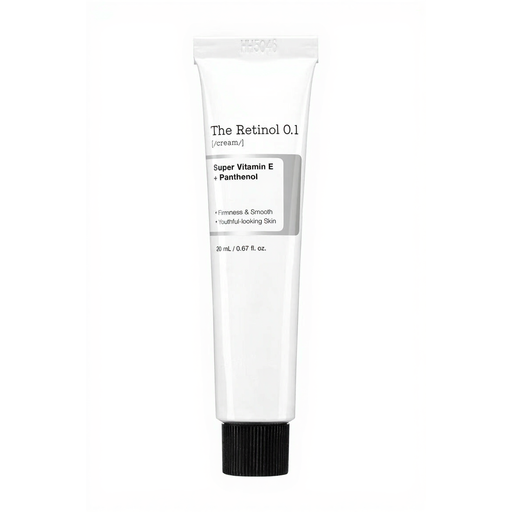
Why it suits this profile: For users who want to consciously add a retinol cream to their routine and are prepared to build up use gradually.
The retinol percentage of 0.1% is stated explicitly in the product information. This makes it easier to compare the formula than when only “anti-ageing” is mentioned.
Contains 0.1% retinol according to the product description; the formula also contains hyaluronic acid and panthenol.
We have put together a complete, up-to-date list of products that fully meet these strict selection criteria and the applicable European safety regulations.
A Korean face cream is not a separate skincare category, but usually refers to products from the Korean skincare tradition. The range includes both lightweight gel creams and rich formulas with ceramides, panthenol, niacinamide or centella. First choose according to your skin’s needs, then consider the brand, origin and texture.
For hydration, look for glycerine and hyaluronic acid. For dry or sensitive skin, ceramides, squalane and panthenol are relevant ingredients. With a vitamin C cream or retinol cream, packaging, shelf life and gradually building up use are particularly important. A spot cream is not a substitute for acne treatment; if problems persist, professional medical advice is recommended.
That depends on the formula and your skin. You can usually apply a regular moisturiser after cleansing in the morning and evening. During the day, apply a sunscreen after your skincare routine. With retinol, vitamin C or other active ingredients, always follow the specific directions for use.
Use the expiry date or the period-after-opening symbol on the packaging as a guide. Heat, light or exposure to air can alter the fragrance, colour and texture. So keep the jar or tube tightly closed and out of direct sunlight.
Look for a formula without unnecessary fragrance and test a small amount first. Ingredients such as panthenol, glycerine and ceramides are often chosen for a comfortable, hydrating routine. Even with a cream for sensitive skin, it is important to check the current INCI list and warnings.
